
StadiumNest Logo
Stay upto date with notifications from Stadiumposts
Notifications can be managed in browser preferences

MEXICO GP CONTROVERSY: LEWIS HAMILTON CRITICIZES PENALTY, VERSTAPPEN REMAINS UNMOVED

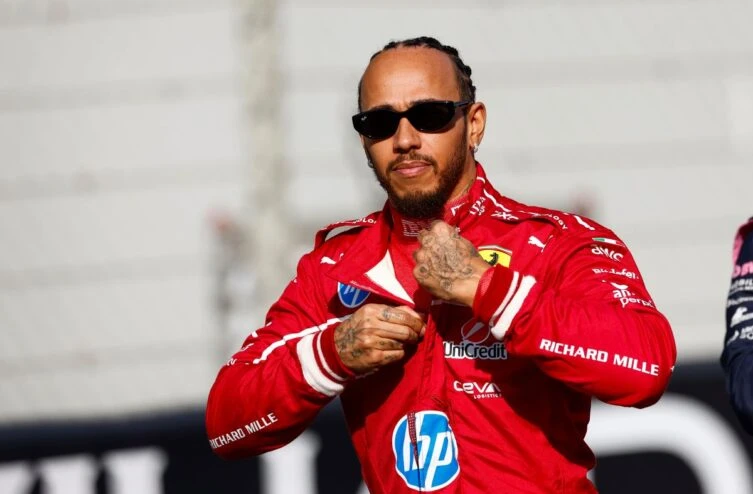
Lewis Hamilton was hit with a 10-second penalty in Mexico, costing him a podium and sparking his "double standards" claim after Max Verstappen escaped punishment for a similar off-track move earlier in the race.
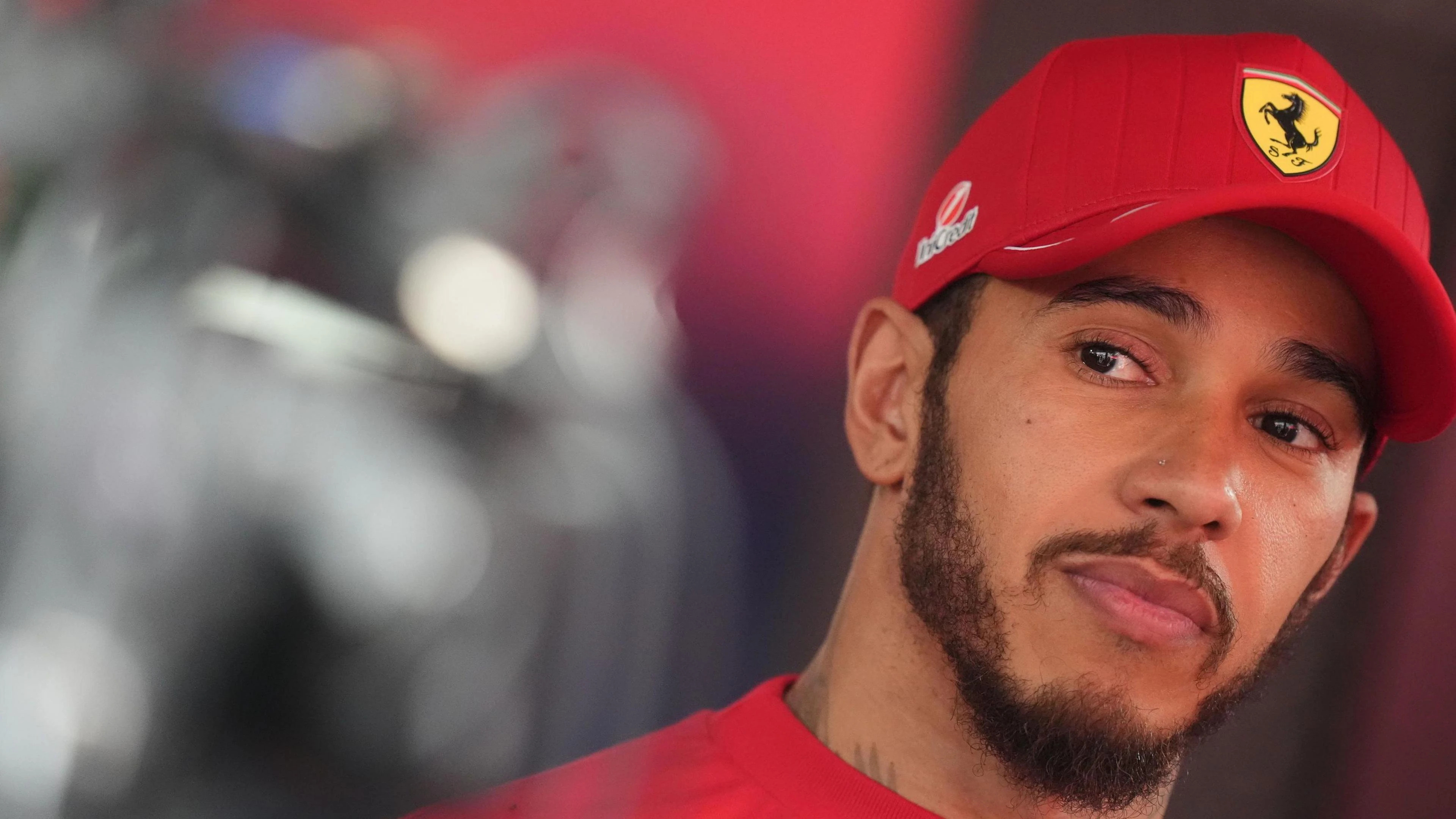

Mexico GP controversy: Lewis Hamilton criticizes penalty, Verstappen remains unmoved
Hamilton fumes as Verstappen shrugs off Mexico penalty - Photo Credit: PA Media

Verstappen dismisses Lewis Hamilton's criticism of "double standards" in the Mexico penalty, saying, "Same for everyone."

Mexico City was seething when Lewis Hamilton left. For leaving the track and maintaining position during the early altercation with Max Verstappen, the Ferrari driver received a 10-second time penalty, which he called "double standards." What did Verstappen say? A shrug. "That is racing. For everyone, it is the same.

At the Autódromo Hermanos Rodríguez, when Turn 1 became the typical sliding problem, there was a clumsy opening before the flashpoint. The bunch worked itself out with little fuss and no early penalties after Lando Norris, Charles Leclerc, Hamilton, and Verstappen all crowded in. Leclerc and Verstappen then took to the escape road and rejoined.

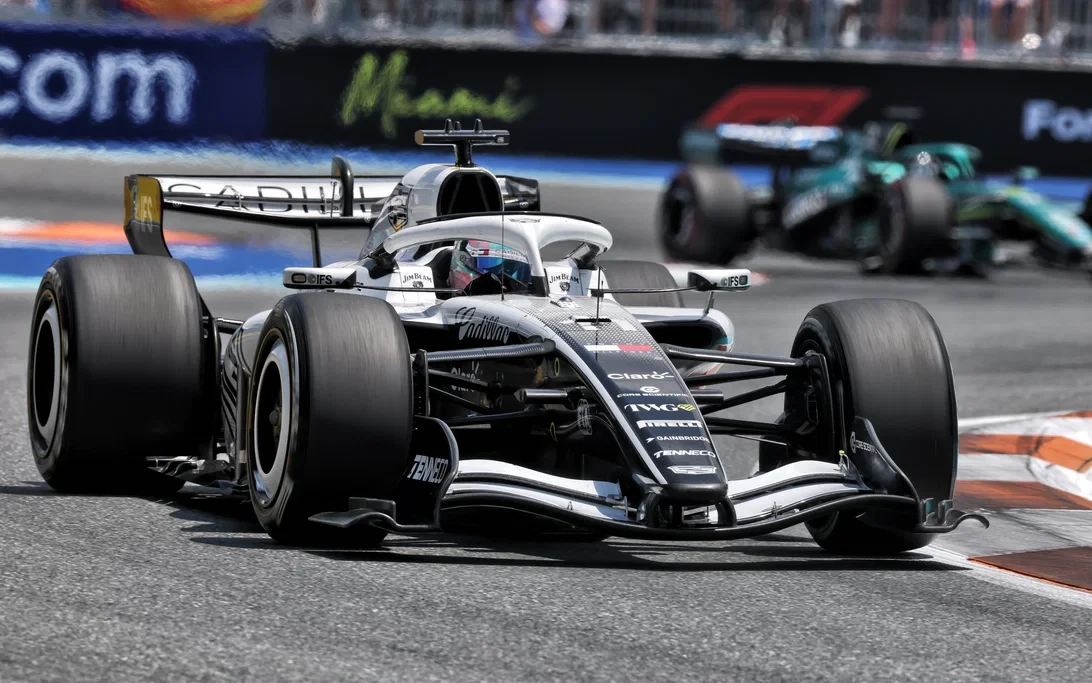
The actual altercation started after six laps. Verstappen sped into Turn 1 down Hamilton's inside. The Red Bull skipped across the grass at the chicane and returned ahead of them as they ran side by side. After trying the long route, locking the front-right, and straight-lining it himself, Hamilton countered into Turn 4, cutting the grass and rejoining just ahead of Verstappen.

The stewards concluded that Hamilton had gained a permanent advantage by leaving the circuit. What would have been a well-earned podium was destroyed by the 10-second penalty that was imposed following the yellow, dropping him to eighth place.

"It is been really annoying," Hamilton admitted to DAZN. "I started well; I kept on course and got up to second in Turns 1, 2, and 3, but I ended up in third place for some reason, and no one was penalised for cutting the track there. Max cut Turn 3 as well, but nothing occurred.

When I left, I had to drive through the grass since my tyres were so filthy that I would not be able to turn the corner. In the end, I received a 10-second [penalty] after asking on the radio if I needed to let anyone through for gaining an advantage. It is what it is.

Hamilton continued, accusing the ruling of "double standards" and stating that he felt "let down by the governing body."

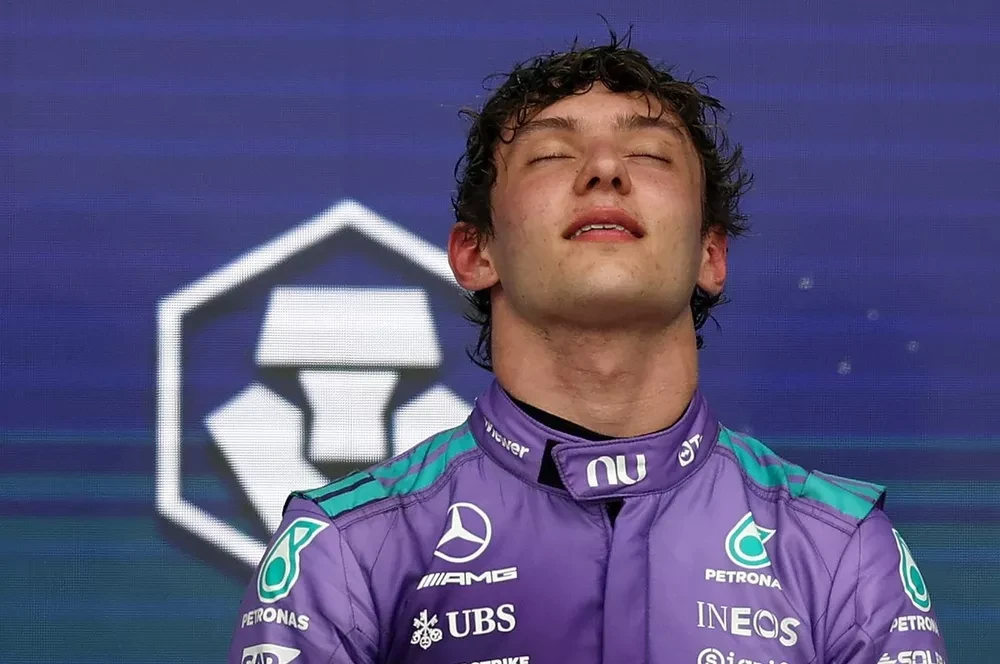
A further twist that would have delayed the process of giving the slot back right away was that Oliver Bearman, a rookie for Haas, managed to get by Verstappen in the confusion. Any give-back would have essentially resulted in the surrender of two spots rather than one. This is a subtlety that teams and drivers usually consider at the time, and it can quickly become expensive if Race Control does not provide clear, real-time instructions.

For his part, Verstappen saw no inconsistency or collusion. He said to DAZN, "That is racing." It is what we are able to do while adhering to the rules. We are permitted to do so by the stewards. Since I have experienced it myself, why should I not be permitted to do the same? For everyone, it is the same.

This was Mexico's microcosmic tightrope. The escape lanes entice cars to play the dice and figure things out later, while the opening complex welcomes optimism and elbows. Although the law's letter is straightforward—if you leave the track and obtain a permanent advantage, you are in trouble—enforcing it in practice is still a murky area that contributes to weekends like this one. Teams may or may not be instructed to return it right away, and the hammer may or may not drop following the cool-down lap.

It makes sense that Hamilton is frustrated. Seeing others use the escape route with no apparent repercussions made him feel as though he had played fairly in the first altercation. He was then penalised with interest and lost a podium after his own lock-up forced him to grass-track. Verstappen's perspective is as clear: push the boundaries if it is there, and accept any sanctions as a necessary part of the game.

This will be felt by Ferrari. Even if the rules support it, the optics of dropping five spots due to a post-race time drop never sit well. Hamilton had the pace to make the afternoon less attritional. Although it is not crucial on its own, every point counts now, and Red Bull leaves with a little more momentum and Verstappen a little closer in the race for the championship.

The larger dilemma remains: should we continue to allow the stewards to call balls and strikes after the fact, or should Race Control referee every skirmish live with quick swaps? For years, drivers have made it plain that they appreciate transparency, even if they do not always agree with the response. When the walls shut in at Turn 1, Mexico provided yet another example of why that clarity still seems elusive.

MAX VERSTAPPEN CLAIMS POLE IN MERCEDES-AMG GT3 AMID F1 RULE CONTROVERSY

Max Verstappen lands pole in a Mercedes-AMG GT3 at the Nurburgring while slamming F1’s "Mario Kart" battery regulations.

top-news
Max Verstappen Slams Formula One Regulations After Securing Nurburgring Pole Position

Max Verstappen just landed pole position in a Mercedes – and he didn’t miss the chance to take another shot at Formula 1's new rules. He’s using the gap between the Chinese and Japanese Grands Prix to race in the Nürburgring Langstrecken-Serie, getting ready for the 24-hour event in May.

He’s in a Mercedes-AMG GT3 from Winward, running under the Verstappen Racing banner, teaming up with Daniel Juncadella and Jules Gounon for this four-hour race. Their qualifying run? Verstappen's squad nailed the fastest lap: 7:51.751 around the legendary circuit.

Honestly, this weekend at the Nurburgring is a breath of fresh air for Verstappen. He’s been vocal about his dislike for F1's latest regulations, which split the power pretty much evenly between traditional engines and electric systems.

These rules are some of the biggest changes F1 has ever had, forcing drivers to constantly watch their battery levels and use a boost button for overtakes. Verstappen didn’t hide his feelings, saying about the NLS race: “At least you can drive flat out without looking after the battery.” He’s been slamming F1’s direction for months, and after retiring late in China, he was running sixth; he doubled down, calling the system “Mario Kart". It’s not racing, he said. “We’re boosting past. Then you run out of battery, and they boost back past you again. For me, it’s just a joke.”

Verstappen made it clear: it’s not about sour grapes or losing. “I’d say the same if I were winning because I care about the racing product. It’s fundamentally flawed. It’s painful. It’ll ruin the sport eventually, and it’ll come back to bite them.”

An old press conference of Verstappen warning about the 2026 regulations popped up again online. He kept going: “You could have seen this coming ages ago. They should have listened in 2023. Maybe it’s a lesson, so this doesn’t happen again. You’ve got to be careful with how you say things, but we’re talking. They know where we stand as drivers. Some love it because they’re winning, and sure, if you have an advantage, why give it up?

“But talk to most drivers; this isn’t what we want, and I don’t think real fans want it either. It’s political. Some have the edge and want to keep it. I get that; I’m not stupid. But it’s just not good for the sport. Hopefully, we'll get rid of it soon.”

DISCOVER WHY JONATHAN WHEATLEY BELIEVES RED BULL’S STRUGGLES FUEL MAX VERSTAPPEN’S OUTRAGE

Jonathan Wheatley claims Max Verstappen's criticism of the "anti-racing" 2026 regulations reflects Red Bull's early struggles.

top-news
Jonathan Wheatley Defends F1’s New Era Against Max Verstappen’s "Mario Kart" Claims

Jonathan Wheatley thinks Max Verstappen’s harsh words about Formula 1’s 2026 rules say as much about Red Bull’s current struggles as they do about the new regulations.

Verstappen hasn’t held back at all; he’s been one of the loudest voices against F1’s new energy-harvesting era, calling the rules “anti-racing” during pre-season testing.

Just two races in, Verstappen’s only got eight points. After Shanghai, he walked away without scoring anything. He finished the sprint race in ninth just outside the points, mostly because he lost ground when his car bogged down from a lack of battery power right off the line.

Things didn’t get better in the main race. Verstappen tried to claw his way back, but he had to park his RB22 because of an ERS cooling problem.

He didn’t sugarcoat his feelings. Verstappen slammed the new energy management rules, energy harvesting, and super clipping, all of it, as “fundamentally flawed". He called the racing itself a "joke". For him, the whole thing’s starting to feel more like Mario Kart than real racing.

“I swapped the simulator for my Nintendo Switch and have been practising Mario Kart, actually!” Verstappen joked when someone asked if sim time gives drivers an advantage now. “Honestly, I’m getting good at finding the mushrooms. The blue shell’s a bit tougher, but I’m working on it. No rockets yet, but they’re coming.”

He also warned F1’s leaders that these new rules could “eventually ruin the sport; it’ll come back to bite them.”

Not everyone’s moved by Verstappen’s complaints. Juan Pablo Montoya went as far as telling him, "There's the door.” Guenther Steiner, the former Haas boss, said it came off as nothing more than “toys out of the pram when it doesn’t go his way.”

Meanwhile, things look very different for Charles Leclerc. He’s been fighting for podiums in Australia and China and is loving the new era.

“I really enjoyed it,” Leclerc said. “Yeah, sometimes the overtakes feel a little fake if someone messes up their battery management; you get this huge speed difference. But we’re all learning when to push and when to risk it, and that’s creating some great overtaking spots. Today was a perfect example.”

Wheatley, watching all this, figures opinions on the new rules depend on how well one's doing. If you ask the guys up front, Ferrari and Mercedes, they love the new racing. The teams chasing them? Not so much.

He told reporters after the Chinese Grand Prix, “Talk to the Ferrari drivers; they’ll say it was a brilliant day. If you’re not winning, you just want to be able to race cleanly. Honestly, I didn’t see anything fake; every driver was fighting hard and fair. The midfield battles are fantastic; there’s a lot to like.”

And as for Verstappen’s comments? Wheatley gets it. When you’re struggling, it’s easy to point fingers.

Read More News