
FIA TWEAKS 2026 F1 RULES AFTER DRIVER FEEDBACK IMPROVES QUALIFYING ENERGY MANAGEMENT SAFETY

Following driver feedback, the FIA, F1, and teams have agreed on 2026 rule changes. We break down the energy and safety adjustments.

Mohammed Ben Sulayem has spoken out on the recent developments, and the FIA has laid out the specific changes coming up.
After a “high-level” meeting earlier today that brought together some key figures in the sport, including teams, drivers, sponsors, and FIA representatives, the FIA president issued a statement addressing the 2026 regulation updates. These adjustments come just after several stakeholders expressed concerns, with the Miami Grand Prix in May set as the backdrop for some refinements.
Despite Formula 1 taking a pause prompted by the cancellation of the Saudi and Bahrain Grands Prix due to ongoing conflicts in the Middle East, the sport’s leadership came together on Monday. Their focus: the 2026 rules, which have already stirred debate just three races in, including criticism from notable figures like Max Verstappen. The four-time world champion, fresh from Red Bull, was notably blunt, even likening the new 50/50 split power units to “Formula E on steroids" and hinting at the possibility of retirement.
Safety concerns have also come to the forefront, particularly following Oliver Bearman’s crash in Japan, with the FIA pointing to increased closing speeds as a contributing factor. The new cars, powered by a half-electric and half-combustion system, come with significant design changes: lighter, shorter, narrower, and engineered for less drag and downforce. Also, the traditional drag reduction system has given way to an active aero system that shifts the car's shape depending on whether it’s negotiating corners or flying down straights.
Talks around tweaking the regulations have been ongoing throughout April. Another round took place today among F1 CEOs, with a final draft due to be sent to the FIA World Motor Sport Council for approval before the next race.
In his statement, Ben Sulayem, who’s been at the FIA helm since December 2021, emphasised the collaborative efforts across teams, drivers, and manufacturers, praising their quick, constructive engagement despite the calendar gap caused by external circumstances. He highlighted that safety and fair competition remain the FIA’s top priorities and that input from drivers has played a central role in shaping the adjustments. Looking ahead, he expressed optimism for an exciting remainder of the 2026 season.
When Formula 1 returns on May 3 with the Miami Grand Prix, we’ll see the impact of these refinements.
According to the FIA, the changes agreed upon cover several areas:
For qualifying, energy management has been tweaked; maximum recharge has dropped from 8 MJ to 7 MJ to curb excessive energy harvesting and promote steadier full-throttle driving. Superclip power has been bumped up from 250kW to 350kW, meaning drivers will spend less time managing energy and more time pushing hard. These changes will apply in races too. Also, more races will allow alternative energy limits to better match different track demands.
On race day, boosting power is limited to +150 kW or the car’s power at activation, if higher, to avoid sudden performance jumps. MGU-K deployment remains at 350kW in critical acceleration zones but is capped at 250kW elsewhere to temper closing speeds while trying to keep overtaking viable.
Starting procedures are also getting safety upgrades. A “low power start detection” system can now spot cars accelerating slower than expected just after clutch release, automatically triggering MGU-K deployment to maintain minimal acceleration and reduce start-related risks. Plus, a new visual warning with flashing lights on affected cars will alert others behind. To address previous glitches, the energy counter will reset at the start of the formation lap.
For wet conditions, intermediate tyre blankets will run hotter, improving grip and early tyre performance. ERS deployment gets scaled back to reduce torque spikes and help control on slippery surfaces. The rear light system has been simplified for better visibility, giving drivers clearer signals when conditions worsen.
All of these proposed refinements are up for an electronic vote by the FIA World Motor Sport Council before they take effect in Miami.

SERGIO PEREZ BREAKS SILENCE ON CADILLAC’S FIRST FOUR RACES OF 2026 F1 SEASON
Discover why Sergio Perez is confident in Cadillac’s 2026 path despite urgent needs for better pace and reliability fixes.
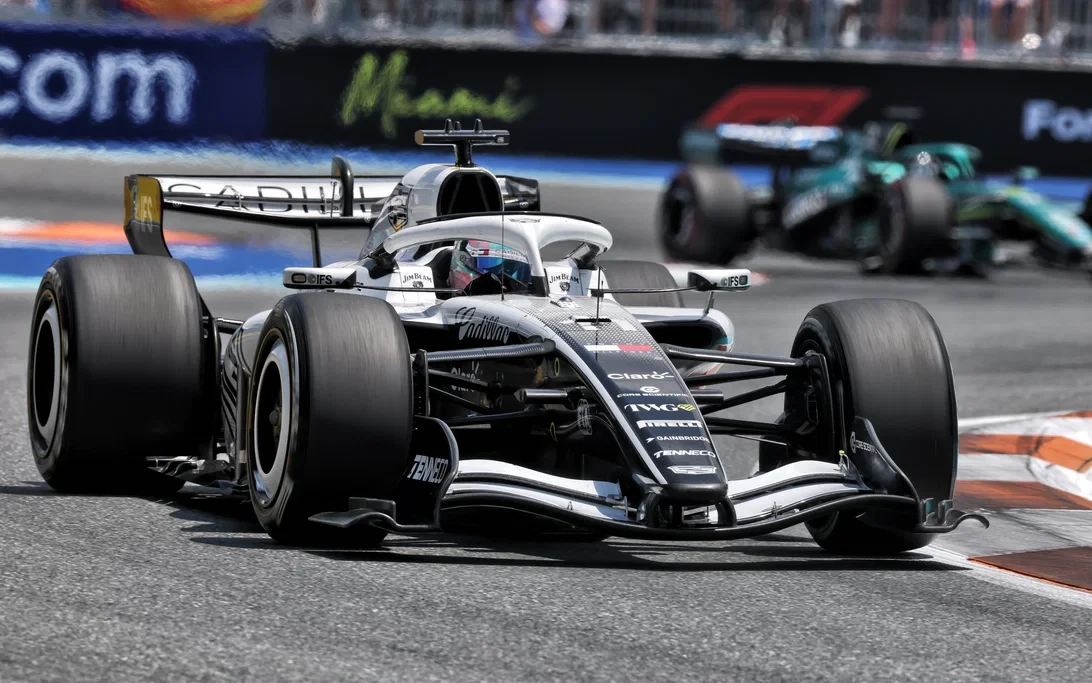
Sergio Perez didn’t waste time sharing his thoughts on Cadillac after the first four races of the 2026 Formula 1 season.
Cadillac shows up in 2026 as F1’s newest team, but honestly, not a lot of people expected fireworks right away. With veterans like Valtteri Bottas and Perez behind the wheel, the team’s start has been a mix, some moments full of promise, others derailed by reliability issues.
Still, Cadillac isn’t just stuck at the back. Lately, they’ve been right there fighting with Aston Martin and even managed to split them in Miami, which turned a few heads.
Perez knows the team is at risk of falling behind in this crazy-fast development race, though. “We still have work to do, but I’m confident we’re on the right path,” he told reporters, including Motorsport Week.
He added, “Sometimes, once tyre degradation sets in, we can hang with the midfield, but they always seem to find another gear. There’s a long way to go this season, but we’re in a rush to find more pace. We know Aston will get stronger, and we don’t want to be left behind.”
Racing Aston Martin has actually brought Perez some enjoyment. He especially likes battling Fernando Alonso, calling those fights fair and satisfying. Still, he pointed out a weak spot: “We’re having fun with them. Racing Fernando is always great because he’s so fair. But we struggled with tyre degradation; we burnt through them too quickly. We picked the hard compound, but honestly, looking back, I should’ve gone with the soft.”
He said there’s plenty to analyse, and really, the key is getting a better grip on their car as they look ahead to Canada. “We don’t have much time, but in the short term, we need to fix the degradation. We have some ideas, but putting them together is our biggest challenge in the next few weeks.”
Cadillac may be the new kid on the block and still finding its feet, but it’s already starting to make an impact. The road out of the lower ranks won’t be easy, but they’re moving in the right direction.
HOW KIMI ANTONELLI’S THREE-RACE WIN STREAK IS REDEFINING THE MERCEDES TEAM HIERARCHY
With a 43-second gap in Miami, Antonelli proves he’s ready to lead the World Championship. Can Russell bounce back in Canada?
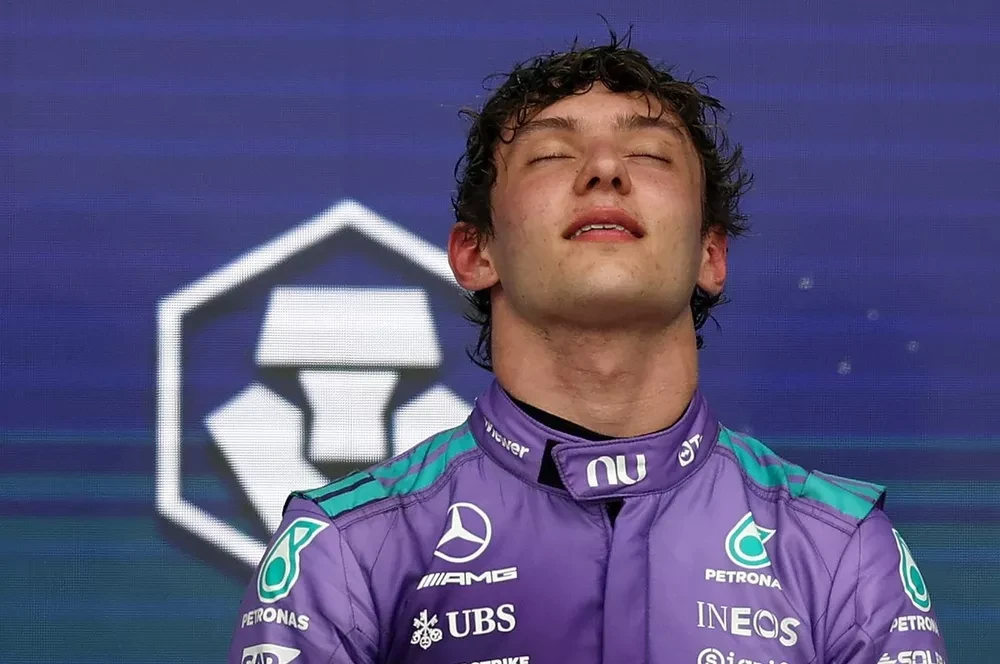
David Coulthard, the former Formula 1 driver, recently pointed out that Kimi Antonelli might be on track to overtake George Russell as Mercedes’ team leader.
Antonelli has been on an impressive run, clinching victories in the last three races and pulling ahead by 20 points over his main competitor and teammate, Russell.
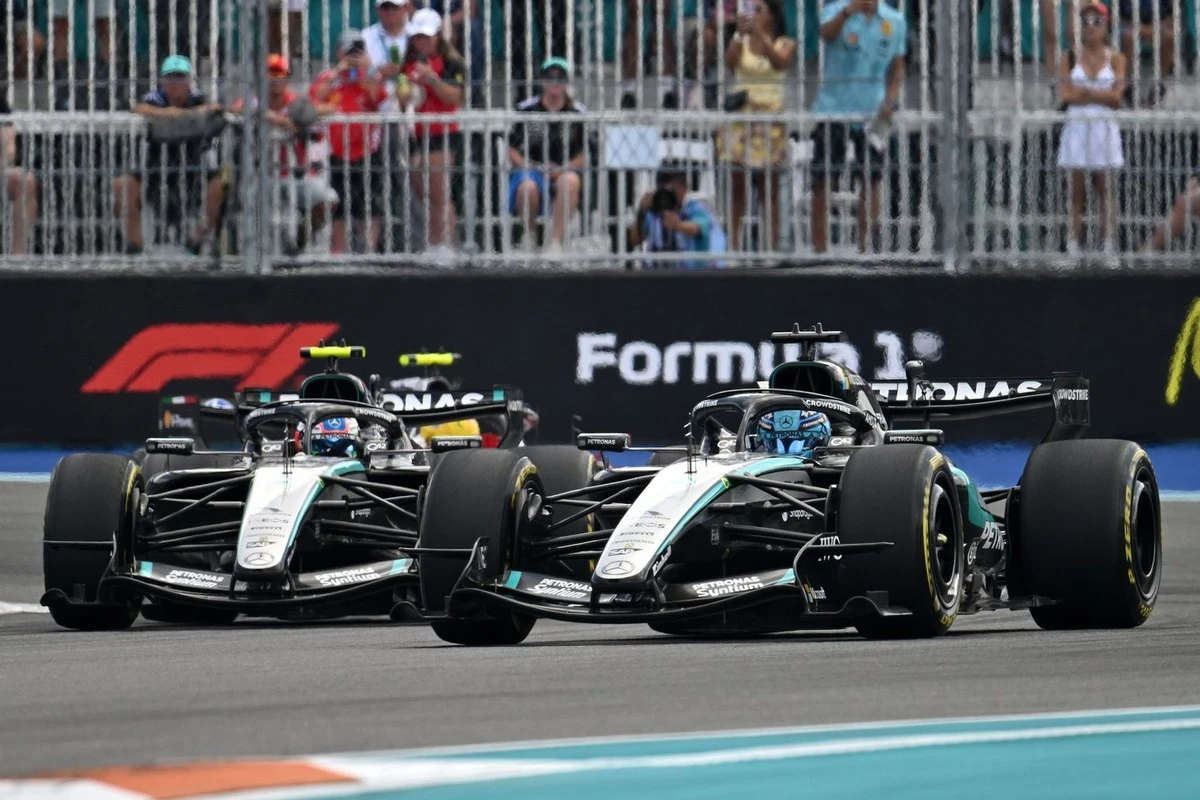
At the Miami race, the young Italian once again outperformed his more seasoned teammate, with Russell managing only fourth place, trailing by 43 seconds.
Coulthard acknowledged Antonelli’s rapid rise in 2026, which is just his second season in F1. He highlighted Antonelli’s strengths and suggested that the Italian is, in many ways, now leading the Mercedes team.
“He’s come of age,” Coulthard said during the Up To Speed podcast.
Despite being relatively new, Antonelli has shown resilience, dealing not only with the pressure from a driver like Lando ready to strike but also with technical glitches like inconsistent paddle shifts. Coulthard mentioned how Antonelli kept his cool even when his engineer, Bono, was trying to help troubleshoot the issue in a tense moment.
“I think he’s earned the right to lead the World Championship,” Coulthard added, noting that this situation probably feels uncomfortable for George. Still, the expectations now lean heavily toward Antonelli leading the team, especially based on recent results.
Coulthard also pointed out that Russell has the experience and skill to reclaim his position as the team’s lead driver, but emphasised that only one can come out on top; someone must finish first and the other second.
The rivalry between them might start opening doors for other teams. Coulthard noted that improvements from McLaren, Ferrari, and Red Bull were already noticeable, especially in Miami.
“Winning in the best car isn’t always straightforward. Many have tried and struggled,” he said.
For Russell, who is feeling the weight of this momentum shift, the upcoming race in Canada will be crucial if he wants to close the gap and halt Antonelli’s winning streak.