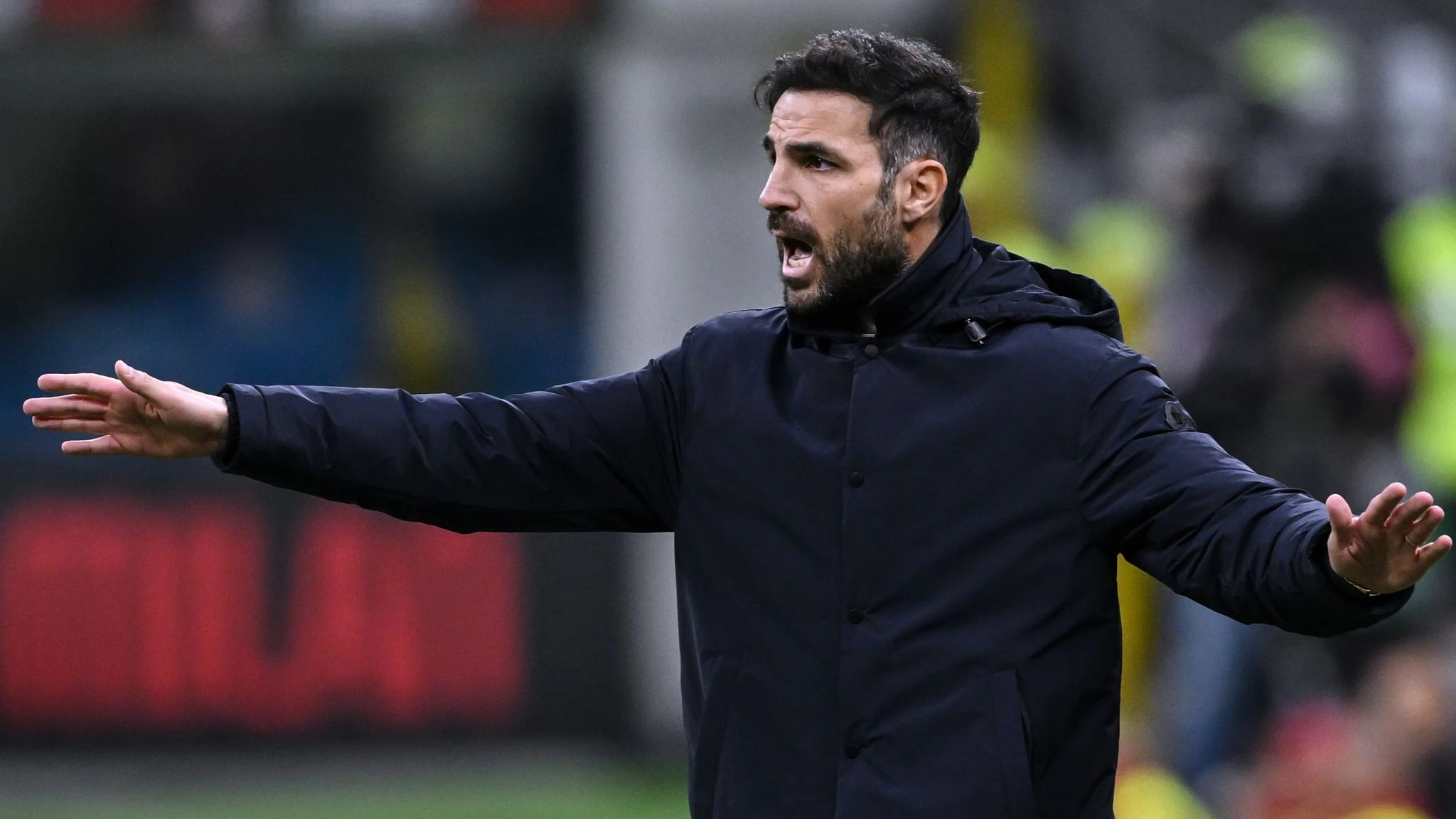

PLAYSTATION & LONELINESS: THE HEARTBREAKING REALITY OF AARON WAN-BISSAKA’S EARLY DAYS AT MANCHESTER UNITED

Aaron Wan-Bissaka speaks out: Read about his Man Utd struggles, why he backs Michael Carrick, and his DR Congo World Cup journey.
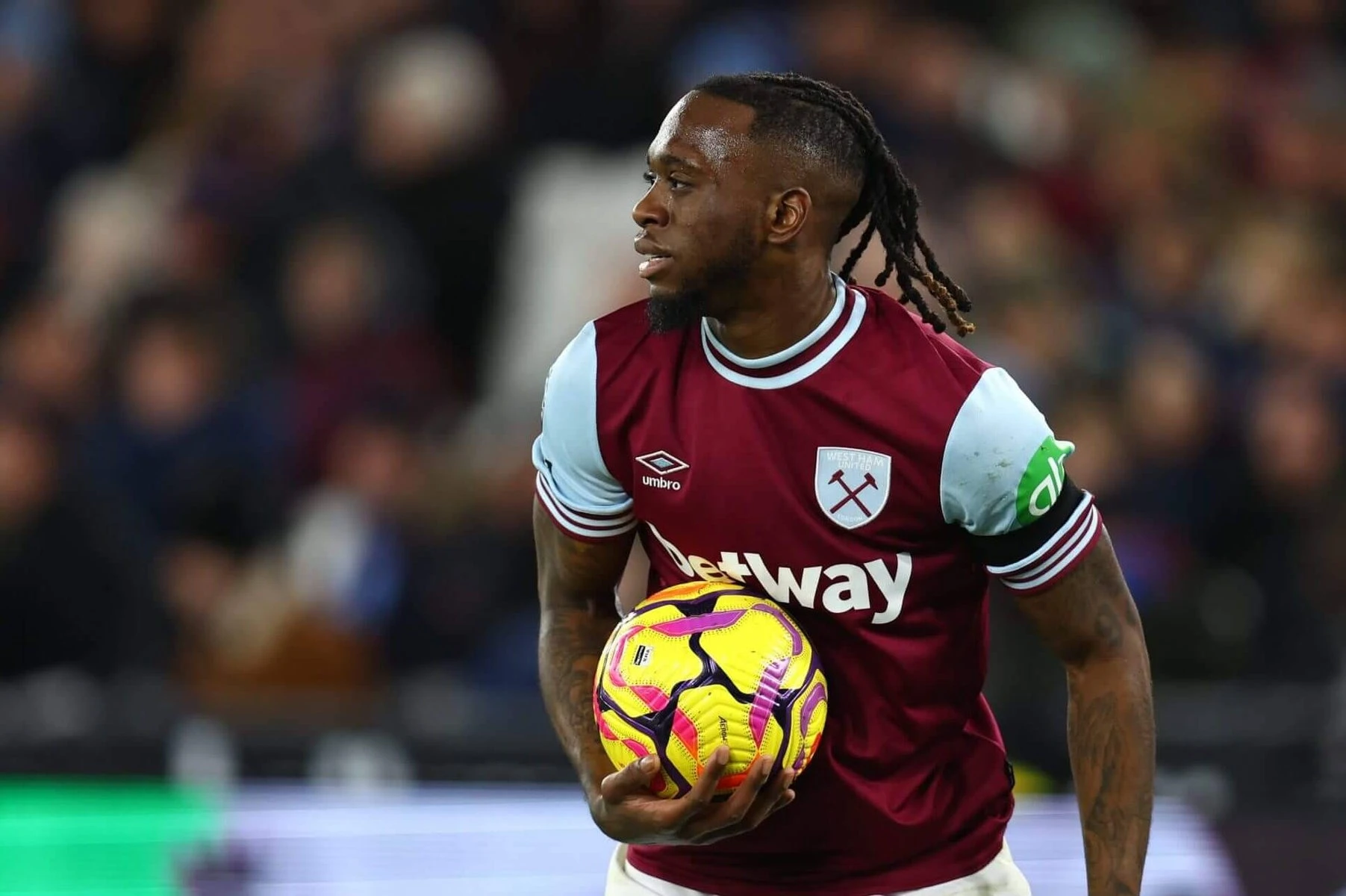
Down in a private cinema room on the ground floor of a slick Canary Wharf apartment block, Aaron Wan-Bissaka gets something footballers rarely do: a little quiet.
It’s his day off. He’s got on a fresh tracksuit, speaks softly, and melts into a big comfy seat, looking just as calm as he does on the pitch. Later, he grins and says his plan is simple: take a nap.
That kind of steady presence has always been Wan-Bissaka’s thing. He’s never chased the spotlight. He’d rather let his football do the talking. Now he’s at West Ham, after learning the ropes at Manchester United, and he’s in a thoughtful mood. He’s looking back at a journey that started on London estates, took him all the way to Old Trafford, and brought him home again.
As he talks, it’s clear this story isn’t just about football. It’s about family, and sacrifice, and the stuff that happens off the pitch. Long before the Premier League lights, Wan-Bissaka learned to play on a patch of grass outside his childhood home.
“I was probably five when I first fell in love with football,” he says. “It was just me and my brother playing around with a ball on the estate. We’d head over to the green across from our house. We called it our Wembley.”
But the idea of going pro didn’t really sink in until he was around sixteen. “That’s when I realised I actually had a shot. That’s when I started taking it seriously, really chasing the dream.”
Wan-Bissaka shows up for this chat with Daily Mail Sport, soft-spoken and thoughtful.
Growing up, like a lot of London kids, he idolised Thierry Henry. “I always wanted to be him,” Wan-Bissaka admits. “Honestly, I used to imagine being him growing up and playing like that. He was my idol. It was his composure. He scored loads of goals, but he also carried the team. He was a leader. My whole family supported Arsenal when I was a kid.”
Funny how things turn out. Now, at 28, Wan-Bissaka is known for being a rock-solid defender: reliable, no-nonsense, and shaped by the grit that comes from family and a pretty tough relationship with his dad.
“I didn’t realise at first how much my parents were giving up for me,” he says. “When I started secondary school, that was the age you wanted new trainers and boots. I could be pretty demanding. But they’d tell me, ‘You have to wait a couple of months.’ That’s when I started to get it. It wasn’t easy for them to buy me the stuff I wanted.
“They both worked cleaning jobs so they could pay for my boots. My dad even got in trouble at work for leaving early to take me to training.”
Wan-Bissaka says his dad, Ambrose, showed his support through discipline, not praise. 'It was hard because we didn't speak the same language well. He didn't speak much English, and my French wasn't great, so we didn't say much,' Wan-Bissaka remembers. He's now played nine games for DR Congo, his father’s home country. Next month, they'll play either New Caledonia or Jamaica in Mexico for a spot in this summer's World Cup.
'We mostly talked about football. He was always pointing out what I could do better. Never any praise. I didn't get it at the time. I wondered why he never praised me. I kept wondering if I was good enough.'
'Even when I scored, he wasn't happy. I wondered if one goal was enough! But as I got older, I understood. He wanted me to push myself to be the best.'
After a smooth start in the Premier League with Crystal Palace, where he was named player of the year in his first full season, he moved to United for £50 million. It was a huge step and a tough time.
Wan-Bissaka felt homesick after joining Manchester United. 'Most days, I was home alone, playing PlayStation until bedtime,' he says.
He had a good relationship with Ole Gunnar Solskjaer, which helped. 'He’s a good guy, and we got along,' Wan-Bissaka says about his old boss.
'When I moved to the United States, I missed my family and friends,' he says. 'After training, I took the train back to London almost every day. It’s only two hours, but it was tiring, so I had to stop.
'I wasn't used to it. I was comfortable at home in London, with familiar faces and places. It was hard to change everything so fast. I was often home alone, playing PlayStation until bedtime. It was tough, probably the lowest I've felt. '
Wan-Bissaka's big move from Palace in 2019 came with a lot of expectations. He also got his first call-up to the England team, but he couldn't play because of an injury. He quickly became a regular at United, starting more games than anyone else in Europe's top leagues in 2020-21.
His good early relationship with manager Ole Gunnar Solskjaer helped him when he was struggling.
'I got along well with Ole from the start,' he remembers. He’s a great person, and I think the other players felt the same. He supported you right away. Once he told you what to do, it was up to you to trust yourself and do it.'
Later managerial changes, especially under Ralf Rangnick and Erik ten Hag, challenged that security.
'It’s football, and every manager has their favourites,' he says. 'They might like you or not; that's part of the game. When Rangnick came, it wasn't a good time for me, and there was a lot of criticism...
'It was hard when Erik ten Hag came. He told me right away that I wasn’t in his plans. But when I tried to leave, he didn’t want me to go. I didn't get it. It was hard because I didn't know what to do.'
Wan-Bissaka didn't connect as well with Ralf Rangnick and Erik ten Hag as he did with Solskjaer at first.
He improved his relationship with Ten Hag, and they won the Carabao Cup with United in 2023.
'I kept working and trying to get better. It was hard to stay motivated when I wasn't playing.
'But the people around me helped me and told me to keep going. Things got better eventually. I might have changed or learnt some tactics under him; that’s what he wanted.'
He says clarity is important. He got that from Michael Carrick. He speaks highly of United's former interim boss, praising his simple messages during his time in charge in 2021.
It’s no wonder he wants Carrick to get the job permanently after a great start.
'He's someone you can trust,' Wan-Bissaka says. 'He'll trust you if you trust him and what he wants to do.
'He kept things simple. The guys liked him and the games when he was in charge. Now that he's back, the team is doing well. I think he should get the full-time job. He deserves it.'
Manchester was about pressure and growth, but West Ham has been a fresh start. Moving back to London meant being closer to family and a new football environment.
He played so well in the first season that he was named 'Hammer of the Year' in May, beating Jarrod Bowen.
Wan-Bissaka talks to Daily Mail Sport's Charlotte Daly about the good times and bad.

LIVERPOOL TARGET EMILIANO MARTINEZ AS JUVENTUS CLOSE IN ON LEGEND ALISSON BECKER

Discover why FSG are targeting Emi Martinez to replace Alisson, as Villa face pressure to sell their highest-earning players.
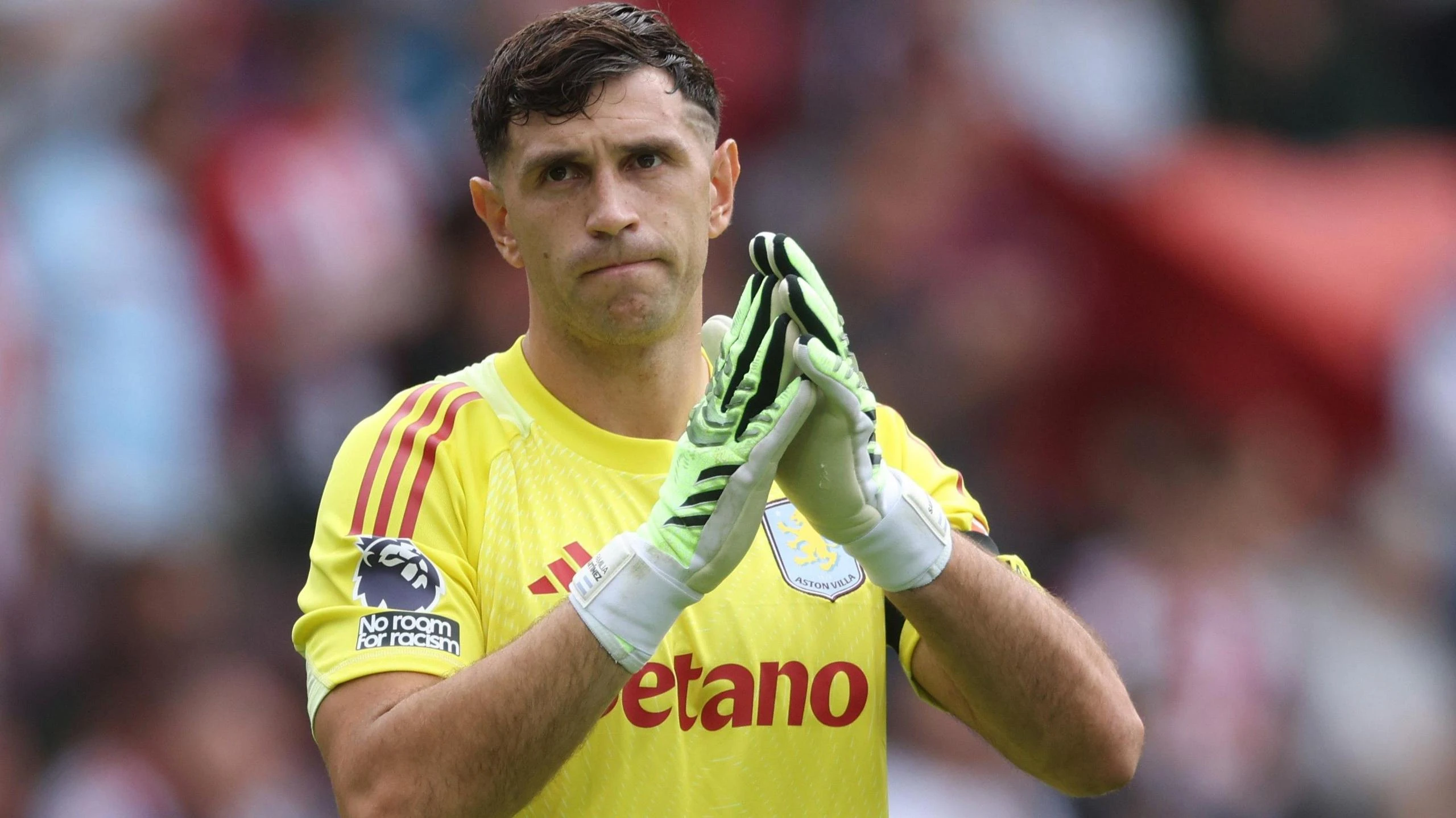
There’s growing talk about Liverpool potentially moving for Aston Villa’s Emiliano Martinez as they weigh up options if Alisson Becker leaves for Juventus this summer, according to TEAMtalk.
Alisson has been a rock for Liverpool since they paid a hefty fee to sign him from Roma in 2018. Over eight seasons, he’s helped secure six major trophies, including two Premier League titles and the Champions League, earning a reputation as one of the club’s best-ever goalkeepers.
But with his contract expiring in just over a year, it seems likely he might leave for a new challenge abroad. Sources suggest Juventus are confident about signing him this summer and has also been targeting other Premier League players.
This potential departure has pushed Liverpool’s owners, FSG, to explore the goalkeeper market carefully and consider strong replacements for such a key position.
Sources confirm that Martinez is once again drawing significant transfer interest ahead of the window. Aston Villa, meanwhile, are under pressure to balance their books and have Martinez, one of their highest earners with a contract until 2029, firmly on their minds.
Villa has begun looking into possible replacements too, making enquiries about several goalkeepers, including Manchester City’s James Trafford.
Martinez’s situation is catching attention across Europe, and Liverpool is among the clubs aware he could be available.
Within Liverpool’s recruitment team, Martinez is highly regarded and seen as a serious candidate should Alisson depart. Juventus has offered Alisson an attractive long-term contract, something Liverpool could match, but apparently are hesitant to do so at this point.
Discussions between Alisson and Juventus have reportedly progressed well, with the player keen to test himself in Serie A. This uncertainty has made Liverpool carefully consider their next steps in goal.
While youngster Giorgi Mamardashvili is promising, there’s still some doubt about whether he’s ready to immediately take on the number one role at a club chasing top honours every season.
That has led Liverpool to broaden its search and look at more experienced options. Martinez stands out for his leadership, mentality, and top-level experience, qualities Liverpool values highly, given his recent performances for both Villa and Argentina.
His reputation as a commanding figure and elite shot-stopper also makes him attractive to those handling Liverpool’s recruitment.
Aston Villa aren’t pushing Martinez out aggressively, but they acknowledge a significant offer could force serious talks this summer. With financial realities to face, tough decisions might be on the horizon for the Midlands club.
Liverpool’s manager, Arne Slot, has hinted at a possible “changing of the guard” regarding Alisson this summer, noting that all transfers are carefully considered with the club’s best interests in mind.
He mentioned experience is a factor in keeping players like Alisson, but ultimately it will be the club’s decision, especially with just one year left on the current deal.
While StadiumNest sources say the Juventus move is gaining serious momentum, some journalists believe selling Alisson could turn out to be a major mistake for Liverpool.
At the same time, there’s a growing unease within Liverpool about whether letting Caoimhin Kelleher go last summer was a misstep, which now adds to their uncertainty over goalkeeping options going forward.
ALAN SHEARER SLAMS VAR INCONSISTENCY AFTER ARSENAL SCRAPE PAST WEST HAM IN LONDON

Discover why Alan Shearer and Gary Lineker are questioning VAR consistency following Callum Wilson’s disallowed goal in London.
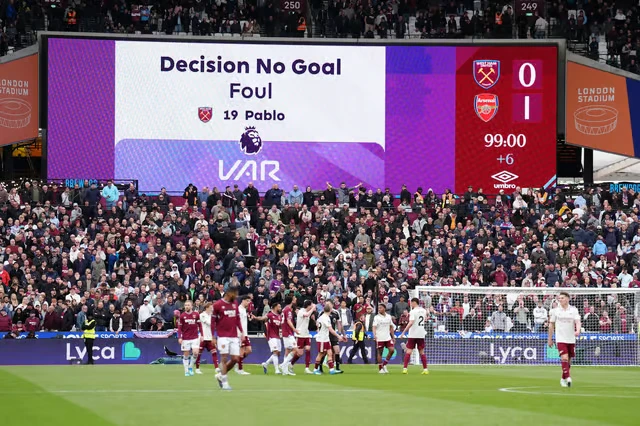
Alan Shearer didn’t hold back after Arsenal’s tense 1-0 win over West Ham, blasting what he sees as the Premier League’s inconsistent officiating.
West Ham, desperate for points at the bottom of the table, thought they’d snatched a late equaliser when Callum Wilson scored in stoppage time. But VAR caught a foul; Pablo was judged to have collided with Arsenal’s keeper David Raya, and the goal got chalked off. The review dragged on, too, with VAR official Darren England studying the replays for more than four minutes before telling referee Chris Kavanagh to check the monitor himself.
Shearer, chatting with Gary Lineker and Micah Richards on The Rest is Football podcast, admitted the officials probably got it right in the end. Still, he said, VAR hasn’t fixed the bigger problem: referees can’t seem to make consistent calls.
“Some people think that’s a foul; some don’t,” Shearer said. “But where’s the consistency? Every week we’re seeing almost identical incidents.”
He pointed to another recent VAR call last week at Everton; Bernardo Silva drew a holding foul, but Merlin Rohl barely got a second look from the officials. “Where was VAR then?” Shearer asked.
The frustration goes beyond just the players and coaches. “Fans will show you screenshots of similar moments, and sometimes it’s a foul; sometimes it’s nothing. That’s why people are upset.”
West Ham walk away empty-handed, missing out on what could’ve been a crucial point in their relegation battle. Arsenal, meanwhile, hang on at the top, still five clear of Manchester City.
Gary Lineker added his two cents: “Probably a foul, but this isn’t how it’s supposed to work. If I were a West Ham or Man City fan, I’d be angry too. There were all kinds of grappling at that corner, Arsenal players grabbing West Ham attackers everywhere. Sure, keepers get special protection, and maybe it was a foul. But what about everything else going on in the box?”
Wayne Rooney, though, gave the officials some rare credit on his own show. “Clear foul in my book. You can see the arm hit Raya’s face, and he can’t reach the ball. VAR actually did its job in a big moment.”
Must Read
_1778426131.webp)
_1777914166.webp)