
"MY LEG WENT FIRST": JANNIK SINNER’S BRUTAL DESCRIPTION OF THE CRAMPS THAT NEARLY ENDED HIM

Jannik Sinner battles extreme heat and severe cramps to defeat Eliot Spizzirri, aided by a timely roof closure at Rod Laver Arena.
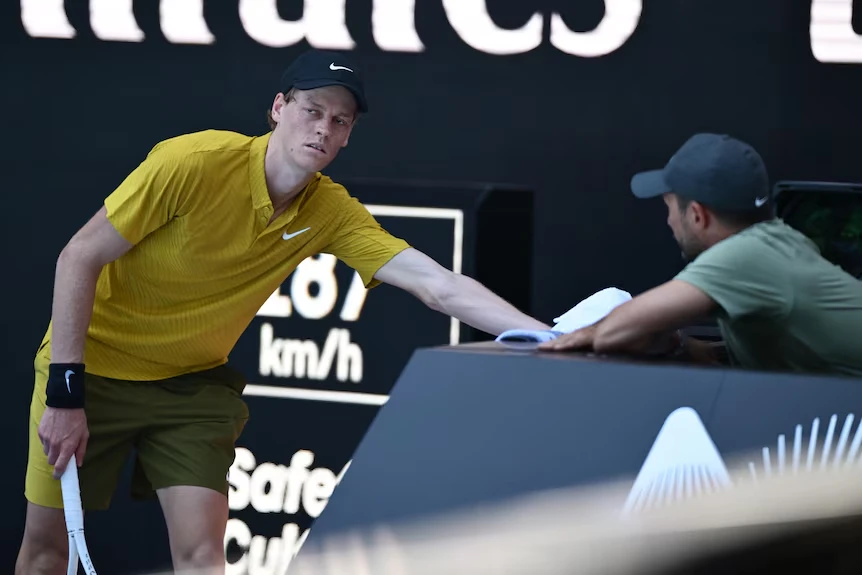
Jannik Sinner caught a serious break at the Australian Open, fighting through leg cramps and a gritty Eliot Spizzirri to reach the fourth round.
Honestly, it looked rough for Sinner early in the third set. The heat was brutal—Rod Laver Arena felt like an oven, and his legs locked up. But right then, the tournament’s heat stress scale hit five. Suddenly, officials shut the roof and stopped matches on the outside courts. Sinner got a breather, and the air conditioning kicked in.
Even then, he still looked uncomfortable, but getting out of the sun made all the difference. Sinner dug deep and pulled off a 4-6, 6-3, 6-4, 6-4 win.
“I struggled physically a bit today,” Sinner admitted, sounding relieved. “I got lucky with the heat rule and the roof closing. I took my time and felt better as the match went on.”
Organisers had moved matches up by an hour, bracing for temperatures to hit 40 degrees—the first time this tournament. Sinner took the court just after noon, and anyone who’s followed him knows he doesn’t love these conditions. Last year, his only real challenge came in a hot fourth-round battle with Holger Rune. And his last loss, in Shanghai, ended with cramps too.
After dropping the first set to Spizzirri—a 24-year-old making his Grand Slam debut, ranked 85 in the world—Sinner started cramping in the third set. Spizzirri broke and went up 3-1. Then the heat scale ticked from 4.9 to five, and the roof closed. Spizzirri managed a wry smile. Sometimes you just have to laugh.
“My leg went first, then my arm,” Sinner said later. “I was cramping all over. This is the sport. I know I need to get better at this. Tennis is so mental. I just tried to stay calm.”
It didn’t get much easier after that, but Sinner took advantage of a 10-minute pause between sets, steadied himself, and found a way through.
Spizzirri didn’t seem too fazed by the conditions. “I smiled when the heat rule kicked in,” he said. “I wouldn’t say he got saved by it—he’s too good for that—but the timing was wild. That’s just tennis.”
Now Sinner faces fellow Italian Luciano Darderi. For the first time, three Italian men have made it to the last 16 in Melbourne.
Fifth seed Lorenzo Musetti handled the heat better than Sinner, grinding out a 5-7, 6-4, 6-2, 5-7, 6-2 win over Tomas Machac in a marathon lasting four hours and 27 minutes.
Meanwhile, play on the outside courts stopped just after 2:30pm and didn’t start again for nearly five hours.
That was bad news for Britain’s Hollie Smart. The 16-year-old had to retire in tears from her first-round girls’ singles match, leading Japan’s Azuna Ichioka 7-5, 6-7 (7), 3-2. Cramps took over, and medics rushed to help. After a few minutes and a lot of ice, she managed to walk off.
British doubles player Olivia Nicholls was in the middle of a tight second-rounder with Tereza Mihalikova against Storm Hunter and Maya Joint when play stopped. They eventually lost 6-2, 3-6, 6-3. At first, officials said matches might resume at 5:30pm, but it was 7:15 pm before anyone could play again.
Nicholls summed up the day: “It was tough. Everyone had to deal with it, but having to mentally get ready every half hour was exhausting. I’ll sleep well tonight. We had a heat stoppage in Wuhan last year, but the Australian sun is just something else. It’s probably the hottest I’ve ever played in.”

WHY DID 22 PLAYERS SUDDENLY WITHDRAW FROM THE 2026 ITALIAN OPEN MID-TOURNAMENT?
Discover the full list of injured stars, including Carlos Alcaraz and Emma Raducanu, forced out of the 2026 Italian Open.
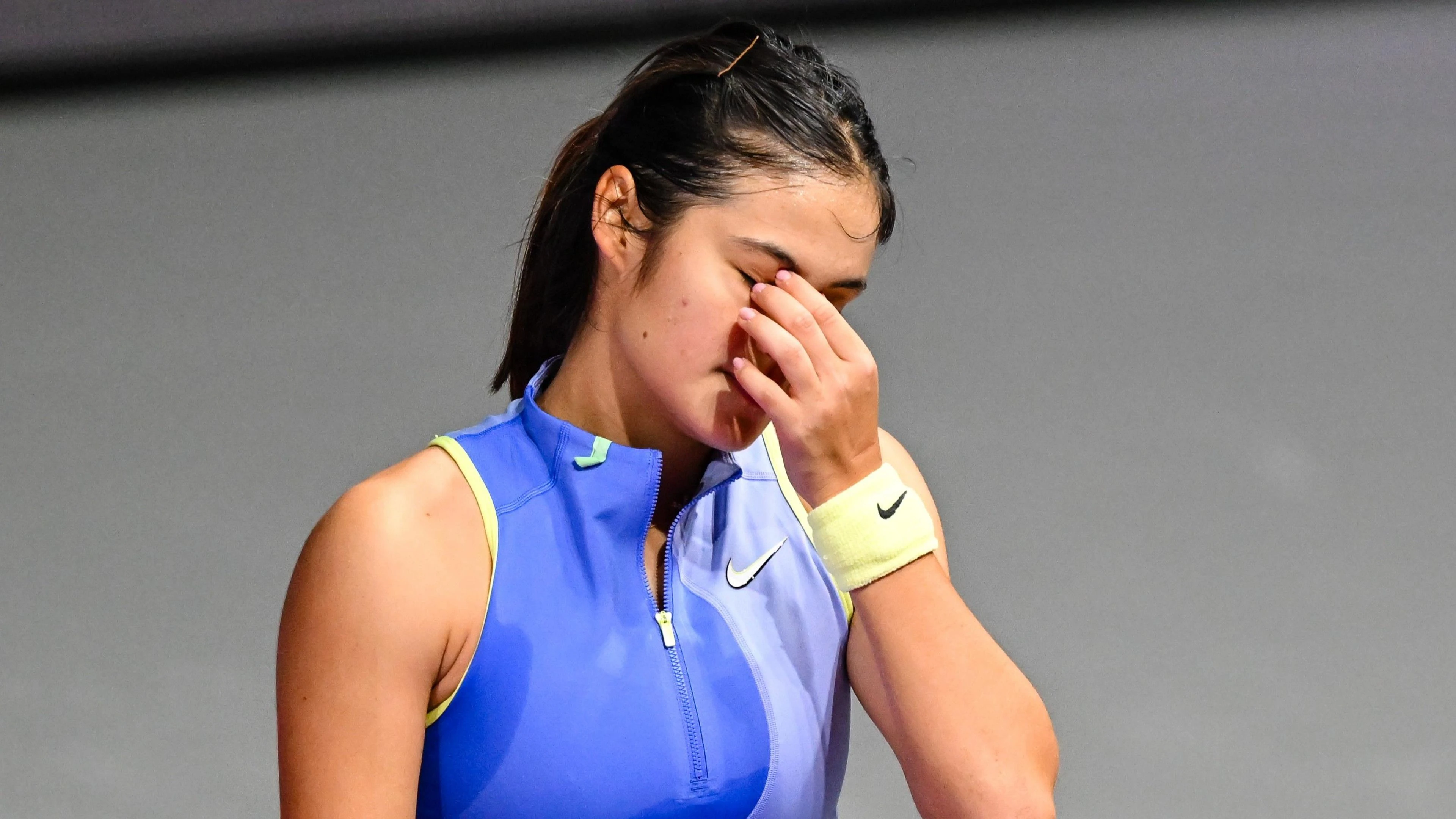
At the 2026 Italian Open, the number of players who have withdrawn or retired during matches has climbed to 22, spanning both the ATP and WTA competitions.
By midweek, 17 players had already exited the combined ATP/WTA 1000 event in Rome. Since then, an additional three men and two women have followed suit.
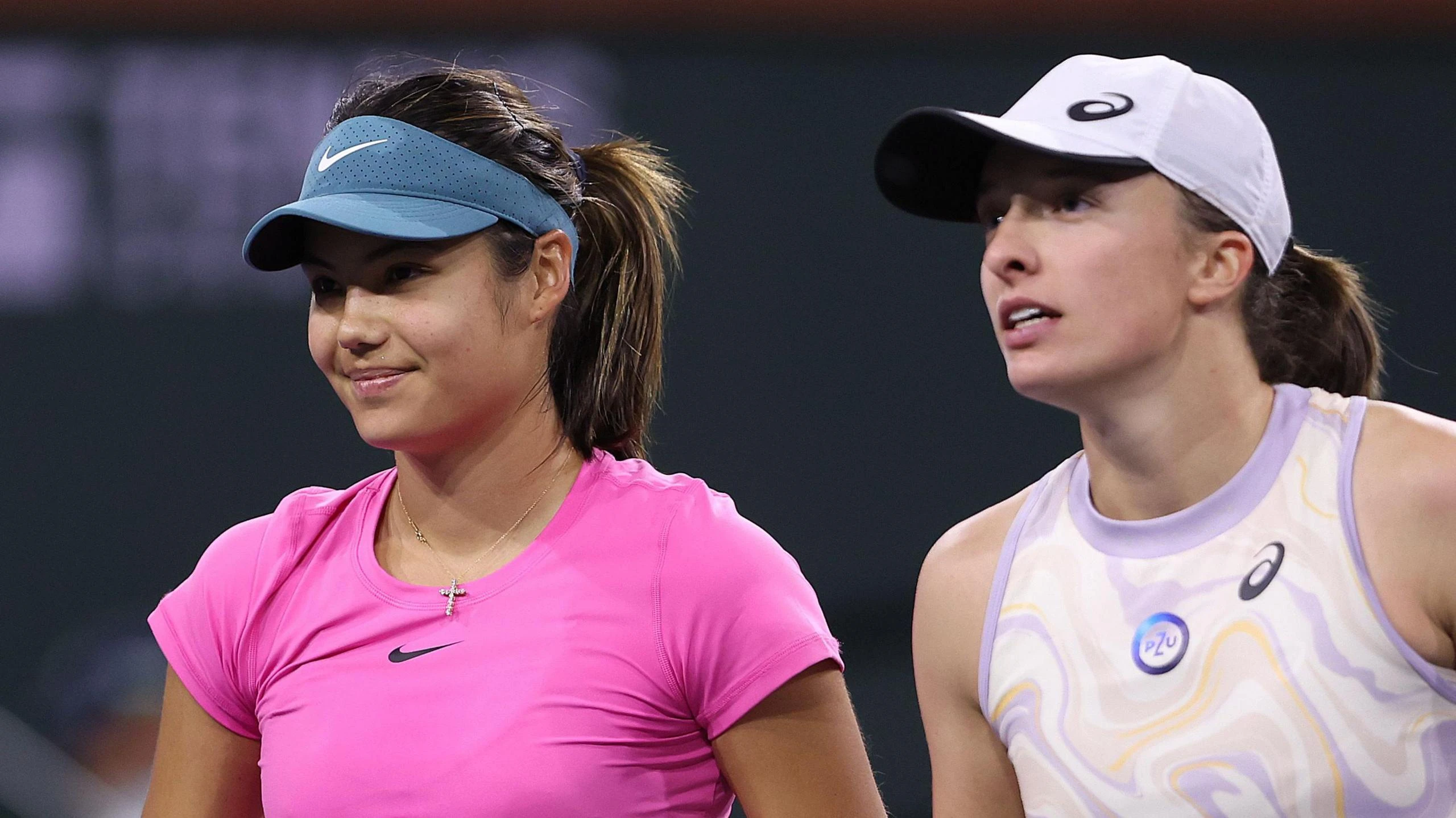
Before the draws were even announced on Monday, prominent names like Carlos Alcaraz, Taylor Fritz, Jack Draper, and Marketa Vondrousova had pulled out. On the opening day of the women’s tournament, Tuesday, Marta Kostyuk and Emma Raducanu also withdrew.
Amanda Anisimova, ranked sixth in the WTA, stepped back before her first match on Thursday due to a left wrist injury. Meanwhile, Victoria Mboko, who is ninth in the world, withdrew before playing on Friday because of a gastrointestinal illness.
Valentin Vacherot, the 16th-ranked player on the ATP tour, pulled out shortly before his scheduled second-round match against Marin Cilic on Friday, citing a foot injury.
Tomas Machac, holding the 41st spot in the men's rankings, also withdrew ahead of his second-round encounter with Daniil Medvedev after an impactful win against Stefanos Tsitsipas in round one.
Arthur Fils, ranked 17th, retired during his opening match against Andrea Pellegrino on Saturday, trailing 0-4, due to hip pain.
Here’s a rundown of the withdrawals on the ATP side: Carlos Alcaraz (No. 2) was replaced by Sebastian Ofner; Taylor Fritz (No. 7) by Zachary Svajda; Valentin Vacherot (No. 16) by Martin Landaluce; Arthur Rinderknech (No. 24) by Aleksandar Kovacevic; Holger Rune (No. 40) by Damir Dzumhur; Gabriel Diallo (No. 46) by Alexander Blockx; Jack Draper (No. 50) by Hamad Medjedovic; Raphael Collignon (No. 68) by Alexandre Muller; Reilly Opelka (No. 74) by Aleksandar Vukic; Arthur Cazaux (No. 73) by Mattia Bellucci; Kamil Majchrzak (No. 76) by Roberto Bautista Agut; and Eliot Spizzirri (No. 92) by James Duckworth.
On the WTA side, Amanda Anisimova (No. 6) was replaced by Elena Gabriela Ruse from Romania; Victoria Mboko (No. 9) by Nikola Bartunkova; Marta Kostyuk (No. 15) by Ajla Tomljanovic; Emma Raducanu (No. 30) by Lilli Tagger; Marketa Vondrousova (No. 44) by Solana Sierra; Sonay Kartal (No. 56) by Zeynep Sonmez; Varvara Gracheva (No. 61) by Eva Lys; and Veronika Kudermetova (No. 70) by Petra Marcinko.
THE "REST OVER REPS" PLAN: WHY JANNIK SINNER IS SNUBBING HALLE FOR WIMBLEDON
After 23 consecutive wins, World No. 1 Jannik Sinner adjusts his schedule to target a Career Grand Slam and Wimbledon glory.
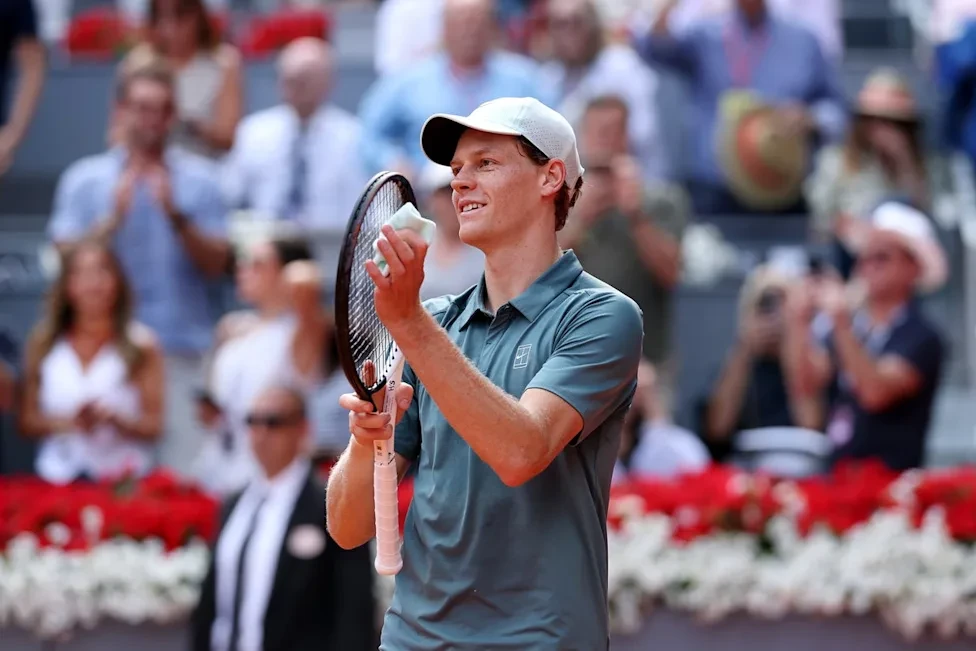
Jannik Sinner has already logged a heavy schedule this year, with deep runs in recent Masters 1000 tournaments keeping him on court against top-tier competition regularly. Given this demanding stretch, he’s taken a fresh look at his calendar and decided to skip the Halle Open, carving out a three-week break between Roland Garros and his Wimbledon title defence.
The 2024 Wimbledon champion won’t be heading to Germany for the grass-court event. That’s notable since Sinner claimed that Wimbledon crown in impressive fashion, overcoming two-time winner Carlos Alcaraz to secure his first major title away from hardcourts. That victory was his latest Grand Slam, following Alcaraz’s wins at the previous two majors.
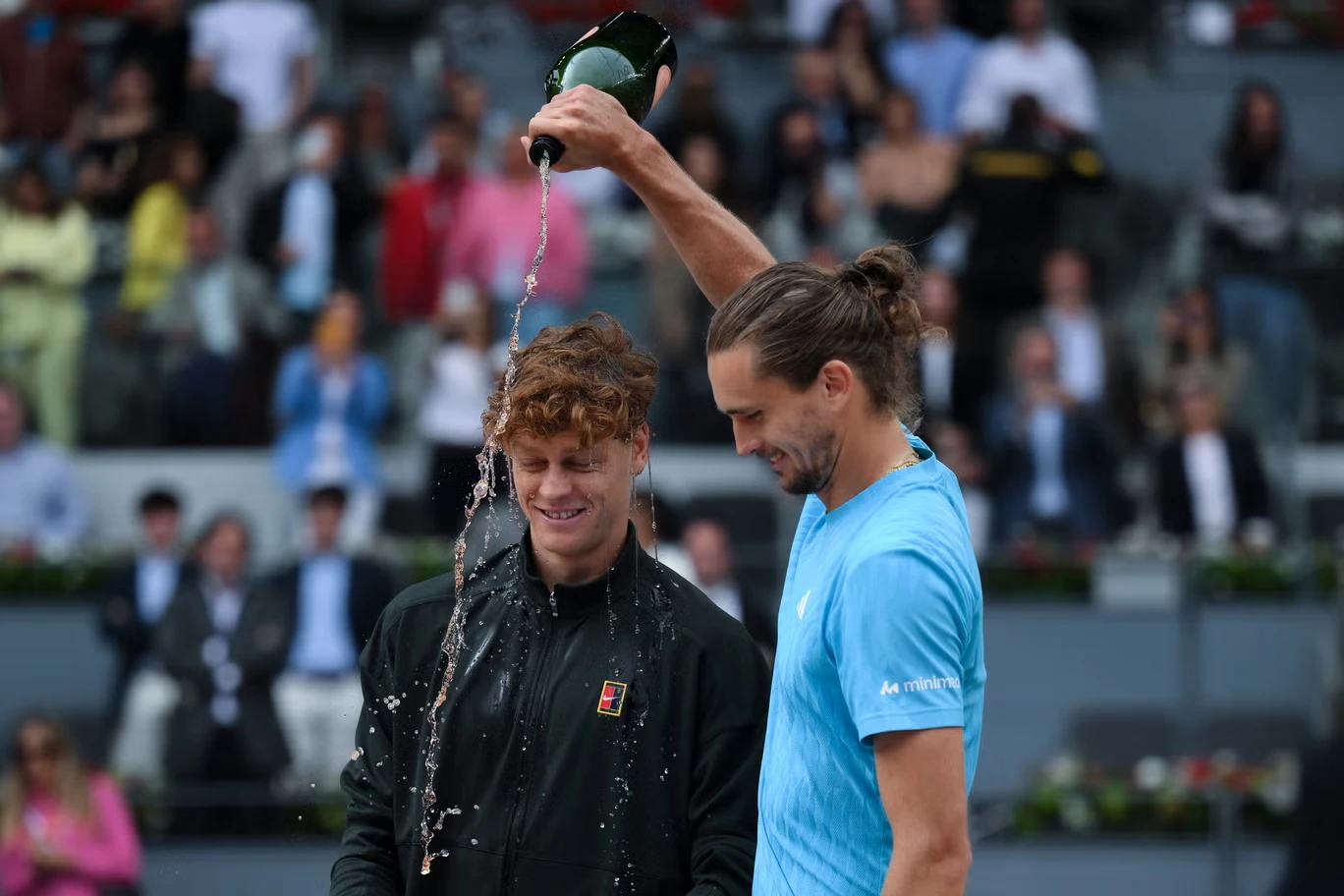
After Roland Garros, where he seeks to complete the career Grand Slam, Sinner plans to recharge rather than pile on more tournaments before Wimbledon. Without Alcaraz in sight, he’s considered a favourite to maintain his remarkable run. His recent haul includes titles at Indian Wells, Miami, Monte-Carlo, and, most recently, Madrid. Now, he’s setting his sights on Rome, his home turf, where he’s never clinched a win but is eager to continue an ambitious streak of Masters 1000 victories, aiming for a sixth in a row.
Post-Rome, he’ll take a week off before the French Open begins. In total, Sinner has played 23 matches over the last two months without tasting defeat. If he wants to lift the Rome trophy, he’ll need to notch six more wins, then potentially battle through seven more rounds in Paris. This demanding schedule partly explains his choice to forgo Halle.
As for the 2026 Halle Open, fans might be disappointed not to see the world number one, but the field remains strong. Heading the draw is Alexander Zverev, a local favourite who has yet to claim a grass-court title or even one on home soil. With Sinner out, this could be a prime opportunity for Zverev to break through.
The American players are also well represented. The U.S. hasn’t seen a finalist here since Mardy Fish in 2004, but Taylor Fritz and Ben Shelton might be poised to change that, especially Fritz, who has already shown grass prowess with titles in Stuttgart and Eastbourne last year.
Defending champion Alexander Bublik, who ousted Sinner on his way to victory and took down Daniil Medvedev in the final, will be back aiming to repeat. Alongside him, names like Andrey Rublev, Flavio Cobolli, and Frances Tiafoe are also set to compete. The tournament runs from June 15 to 21, promising plenty of exciting tennis.