
-
) Serie A
04 Jan 13:30
Serie A
04 Jan 13:30
) Lazio
Lazio
) SSCNapoli
0 2
SSCNapoli
0 2 -
) Premier
04 Jan 14:30
Premier
04 Jan 14:30
) LeedsUnite
LeedsUnite
) Manchester
1 1
Manchester
1 1 -
) LaLiga
04 Jan 15:00
LaLiga
04 Jan 15:00
) Sevilla
Sevilla
) Levante
0 3
Levante
0 3 -
Serie A
04 Jan 16:00
) Fiorentina
Fiorentina
) Cremonese
1 0
Cremonese
1 0 -
) Ligue 1
04 Jan 16:00
Ligue 1
04 Jan 16:00
) Marseille
Marseille
) Nantes
0 2
Nantes
0 2 -
Premier
04 Jan 17:00
) Everton
Everton
) Brentford
2 4
Brentford
2 4 -
Premier
04 Jan 17:00
) TottenhamH
TottenhamH
) Sunderland
1 1
Sunderland
1 1 -
Premier
04 Jan 17:00
) NewcastleU
NewcastleU
) CrystalPal
2 0
CrystalPal
2 0 -
Premier
04 Jan 17:15
) Fulham
Fulham
) Liverpool
2 2
Liverpool
2 2 -
LaLiga
04 Jan 17:15
) RealMadrid
RealMadrid
) RealBetis
5 1
RealBetis
5 1 -
Ligue 1
04 Jan 18:15
) Lorient
Lorient
) Metz
1 1
Metz
1 1 -
Ligue 1
04 Jan 18:15
) LeHavre
LeHavre
) Angers
2 1
Angers
2 1 -
Ligue 1
04 Jan 18:15
) Brest
Brest
) Auxerre
2 0
Auxerre
2 0 -
Serie A
04 Jan 19:00
) HellasVero
HellasVero
) Torino
0 3
Torino
0 3 -
Premier
04 Jan 19:30
) Manchester
Manchester
) Chelsea
1 1
Chelsea
1 1 -
LaLiga
04 Jan 19:30
) DeportivoA
DeportivoA
) RealOviedo
1 1
RealOviedo
1 1 -
LaLiga
04 Jan 19:30
) Mallorca
Mallorca
) Girona
1 2
Girona
1 2 -
Serie A
04 Jan 21:45
) Inter
Inter
) Bologna
3 1
Bologna
3 1 -
Ligue 1
04 Jan 21:45
) ParisSaint
ParisSaint
) ParisFC
2 1
ParisFC
2 1 -
LaLiga
04 Jan 22:00
) RealSocied
RealSocied
) AtleticoMa
1 1
AtleticoMa
1 1


WHY AYOUB EL KAABI IS OFFICIALLY MOROCCO’S MOST DANGEROUS WEAPON THIS YEAR

Ayoub El Kaabi’s stunning overhead kicks led Morocco to the AFCON last-16. Discover the carpenter-turned-star’s incredible rise.
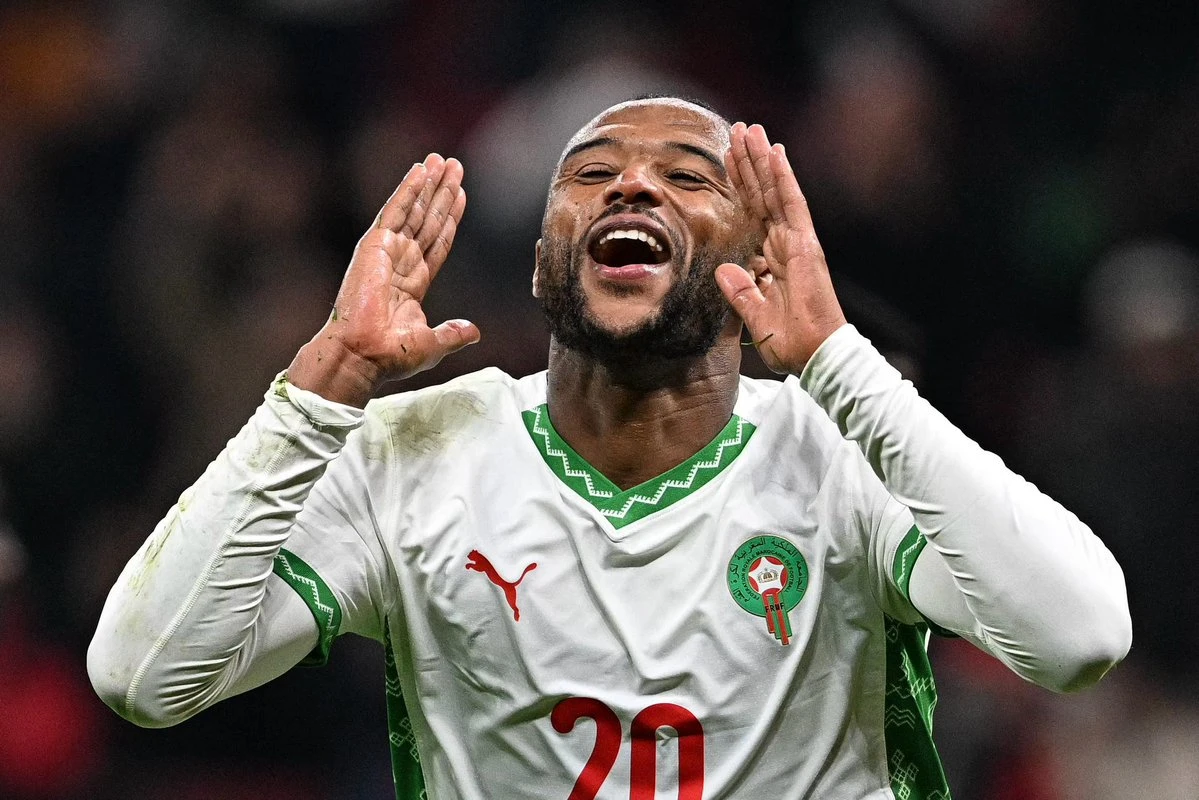
With captain Achraf Hakimi barely featuring in the Africa Cup of Nations group stage while he recovers from injury, Ayoub El Kaabi has stolen the spotlight for the host nation.
Hakimi, crowned Africa’s best footballer, has only made a late cameo so far. Meanwhile, El Kaabi came off the bench and lit up the opening match against Comoros, sealing Morocco’s 2-0 win with a jaw-dropping overhead kick.
That goal changed everything for him. At 32, El Kaabi got the nod to start the next game—a 1-1 draw with Mali. He couldn’t find the net in that one, and the Moroccan team looked frustrated, weighed down by all the hype. But then Monday rolled around, and El Kaabi went right back to work, scoring twice in a 3-0 win over Zambia. Morocco topped Group A and booked a last-16 showdown with Tanzania in Rabat.
He opened the scoring with a header, then finished things off with—what else—another overhead kick.
Back home, fans went wild. Here’s a player who first broke into the national team before the 2018 World Cup but was never really a fixture in the starting eleven. Now, he’s a national hero.
You can’t escape the viral videos. Clips of fans imitating El Kaabi’s bicycle kick in the most unlikely places have exploded online. There was even a drone light show over Casablanca, recreating his acrobatic goal in the night sky. Someone put together a video montage of all his overhead kicks, and it racked up millions of views. Honestly, this move is his trademark. Back in the 2020/21 season with Wydad Casablanca, he scored four of them, and he’s pulled it off a few times for Morocco, including a stunning one against Benin last June.
But El Kaabi isn’t one to brag. After the Zambia match, he shrugged off the praise, saying, “The most important thing is to score. It doesn’t really matter who scores or how they do it.”
His story starts far from the spotlight, in the streets of Casablanca. He grew up in a tough neighbourhood, working as a carpenter to help his family get by. “I grew up in a shanty town in Derb Mila, a neighbourhood that everybody knows,” he told UEFA.com in 2024. Money was tight, so he’d go to school, then work construction jobs with his dad in the summers. “The work I did at that time made me a man,” he said. He still speaks fondly of carpentry: “It is a really great job that embraces art and creativity.”
El Kaabi didn’t sign his first pro contract until he was 21, with Racing Casablanca. After one standout season in Morocco’s second division, he moved up to Renaissance Berkane in the top flight, then had a spell in China. He came back to play for Wydad, then headed to Turkey, where he hit his stride with Hatayspor—until a devastating earthquake in early 2023 forced him to move on.
A short stay in Qatar followed, but the real turning point came when he joined Olympiacos in Greece. In just over two years, he’s scored 75 goals for them, including the winner in the UEFA Conference League final against Fiorentina in May 2024—a stooping header, not a bicycle kick for once.
El Kaabi first made his mark for Morocco by finishing as top scorer as they won the 2018 African Nations Championship, a tournament just for home-based players. He played at the World Cup in Russia that year, then captained Morocco to another African Nations Championship win in 2021.
He’s played at the Cup of Nations in both 2022 and 2024, but until now, he’d never scored at the tournament. Now, with Soufiane Rahimi and Youssef En-Nesyri behind him in the pecking order, he’s Morocco’s main man up front. On Sunday in Rabat, he’ll try to keep the story going with a win against heavy underdogs Tanzania.

OFFICIAL REPORT: BRAHIM DIAZ BECOMES FIRST MOROCCAN TO SCORE IN FOUR AFCON GAMES

Brahim Diaz’s record-breaking goal sends Morocco to the AFCON quarter-finals. Can the hosts survive a showdown with Cameroon?
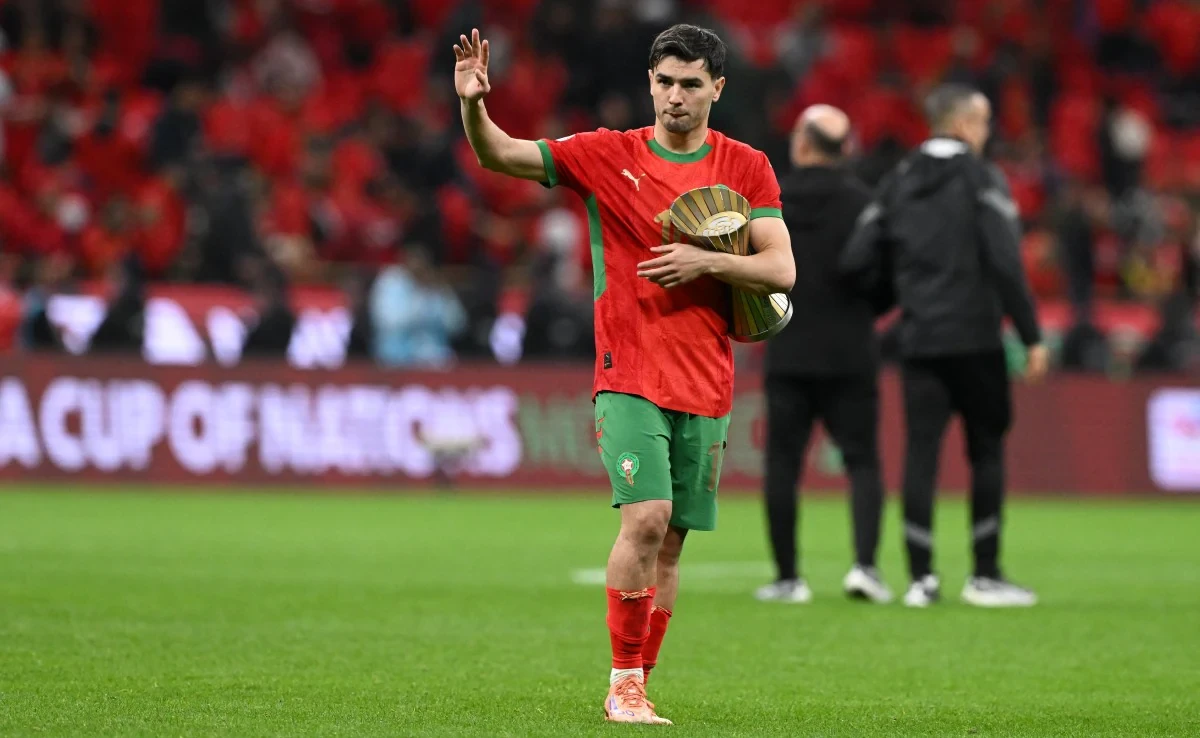
Brahim Diaz pushed Morocco through to the Africa Cup of Nations quarter-finals on Sunday, knocking out Tanzania with his goal. Now, Morocco faces Cameroon, who edged past South Africa 2-1 in their own tense last-16 match.
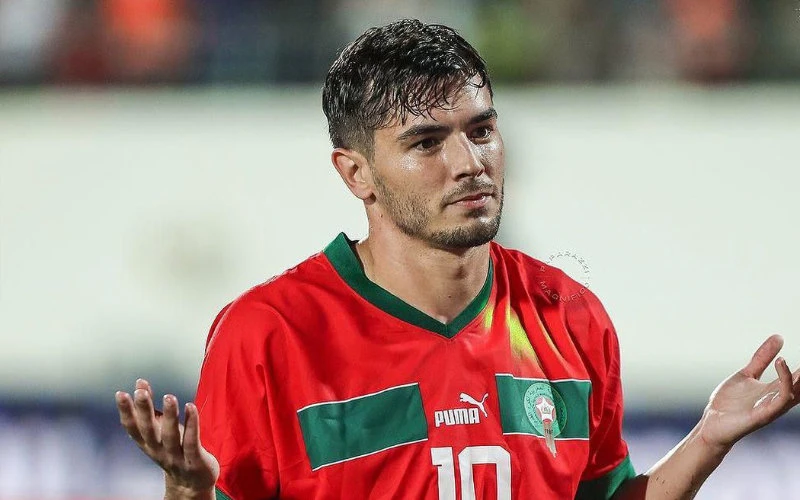
Diaz, Real Madrid's winger, has been on fire—he scored in every group game and kept that streak alive with a 64th-minute strike that sealed a 1-0 win in Rabat’s Prince Moulay Abdellah Stadium. That makes him the first Moroccan ever to score in four straight AFCON matches. After his goal, he held up a shirt for Azzedine Ounahi, their injured midfielder, and later dedicated the win to him. Ounahi showed up at the stadium on crutches; his tournament is over, thanks to a calf injury.
Morocco really made hard work of it, missing several chances before finally getting their breakthrough. Their unbeaten run stretches to 23 games now—their last loss was actually to South Africa at this very tournament.
Achraf Hakimi, fresh from injury and named African player of the year, set up Diaz’s winner. This was his first start of the competition, and he wasted no time making an impact.
Morocco came in as the big favourites. Home crowd? Check—almost 70,000 fans packed in. World rankings? They’re 101 places above Tanzania. But Tanzania didn’t read the script. Just three minutes in, Saimon Msuva nearly stunned everyone, but he couldn’t connect with Selemani Mwalimu’s cross.
Fifteen minutes in, Ismael Saibari headed home Abdessamad Ezzalzouli’s free kick, but the flag went up for offside. The hosts kept pushing in the second half, Hakimi smashed a free kick off the bar, and finally, Diaz broke through—Hakimi set him up, and Diaz beat the keeper at the near post.
Morocco’s coach, Walid Regragui, put it bluntly: “We only started playing in the second half, but we absolutely deserved to go through.”
For Tanzania, this was their first time in the AFCON knockout stages. They battled hard but still haven’t won a game in 13 tries at the tournament. Their coach, Miguel Angel Gamondi, was proud: “The gap between Morocco and us isn’t as big as people think. We’ll come back stronger.”
Now, Morocco gears up for Cameroon, which got past South Africa thanks to goals from Junior Tchamadeu and Christian Kofane. Tchamadeu, Stoke City’s London-born full-back, tapped in the first after a deflection in the 34th minute. Right after halftime, teenage forward Kofane doubled the lead with a well-placed header.
South Africa fought back late—Evidence Makgopa scored in the 88th minute, but Cameroon held on, a bit nervy at the end.
So, five-time champions Cameroon can relax a bit heading into their showdown with Morocco, with the pressure squarely on the hosts. Their coach, David Pagou, who only just took over the team, said, “I want to enjoy this win first. The Morocco game feels far away right now. We suffered today, even though we won, and all of us need a rest.”
For South Africa, it’s a tough pill to swallow after finishing third at the last AFCON. But coach Hugo Broos is already looking ahead: “We’re not going backwards, but we need to honestly assess what happened here and focus on the World Cup.”
JUST IN: SENEGAL SURVIVES SUDAN SCARE! TWO PAPE GUEYE GOALS FLIP THE SCRIPT TO REACH AFCON QUARTERFINALS
Senegal beats Sudan 3-1 in an AFCON 2025 thriller. Sadio Mane breaks records as Ibrahim Mbaye seals the quarter-final spot.
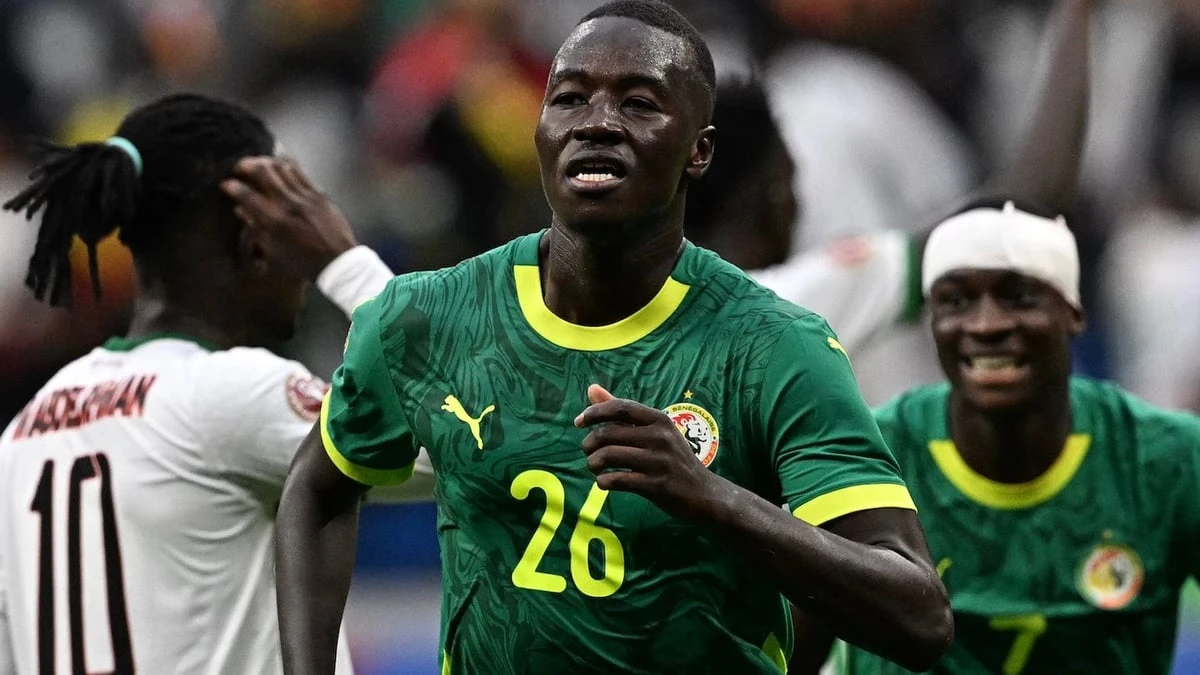
Pape Gueye stole the show with two goals, leading Senegal to a 3-1 comeback win over Sudan at the 2025 Africa Cup of Nations. That result ended Sudan’s gutsy run—a bright spot for a country still deep in civil war.
Aamir Abdallah gave Sudan a dream start, curling a beautiful shot past Edouard Mendy just six minutes in. For a moment, it looked like we might see a real shock in Tangier. Mendy had to stay sharp, diving low to deny Mohamed Eisa midway through the first half, while the relentless drumming of Senegal’s fans kept pushing their team forward.
Senegal didn’t panic. They dug in and started to take control. Gueye struck twice before halftime, flipping the script. This was Sudan’s first knockout game at an AFCON, and, for a while, they looked ready to make history. But Gueye’s goals took the wind out of them, and by the end of the half, Senegal was comfortably on top.
Ibrahim Mbaye, just 17 and already turning heads at Paris Saint-Germain, sealed things late with a sharp finish at the near post. Senegal’s old pros, Sadio Mane and Ismaila Sarr, made the difference too. Mane’s clever assist for Gueye’s first goal actually made him the most productive playmaker in AFCON history—a nice little bit of trivia for the night.
Sudan hadn’t scored a single goal for themselves in the group stage, but they came out swinging here. Abdallah led the charge, taking on Ismail Jakobs whenever he could, and he got his reward with that early strike. Even after the goal, Sudan kept pressing, and Abdallah nearly doubled their lead.
But Senegal weathered the storm. Sarr and Mane started threading passes, and Gueye took his chances—his second, a gorgeous first-time finish, came deep in first-half stoppage time. Sudan didn’t quit, though. Right after the break, Sheddy Barglan forced a top-class save from Mendy.
The second half echoed the first: Sudan started strong but couldn’t keep it up. They ran out of steam, and Senegal just got stronger as the game wore on. When Mbaye scored late, that was that. Senegal marched on to the quarter-finals, and Sudan’s remarkable run was over.
Premier League Standings
Must Read
 Read More News