
-
) Premier
01 Jan 19:30
Premier
01 Jan 19:30
) CrystalPal
CrystalPal
) Fulham
- -
Fulham
- - -
Premier
01 Jan 19:30
) Liverpool
Liverpool
) LeedsUnite
- -
LeedsUnite
- - -
Premier
01 Jan 22:00
) Brentford
Brentford
) TottenhamH
- -
TottenhamH
- - -
Premier
01 Jan 22:00
) Sunderland
Sunderland
) Manchester
- -
Manchester
- - -
) Serie A
02 Jan 21:45
Serie A
02 Jan 21:45
) Cagliari
Cagliari
) ACMilan
- -
ACMilan
- - -
) Ligue 1
02 Jan 21:45
Ligue 1
02 Jan 21:45
) Toulouse
Toulouse
) Lens
- -
Lens
- - -
) LaLiga
02 Jan 22:00
LaLiga
02 Jan 22:00
) RayoVallec
RayoVallec
) Getafe
- -
Getafe
- - -
Serie A
03 Jan 13:30
) Como
Como
) Udinese
- -
Udinese
- - -
Premier
03 Jan 14:30
) AstonVilla
AstonVilla
) Nottingham
- -
Nottingham
- - -
LaLiga
03 Jan 15:00
) CeltaVigo
CeltaVigo
) Valencia
- -
Valencia
- - -
Serie A
03 Jan 16:00
) Genoa
Genoa
) Pisa
- -
Pisa
- - -
Serie A
03 Jan 16:00
) Sassuolo
Sassuolo
) ParmaCalci
- -
ParmaCalci
- - -
Premier
03 Jan 17:00
) Brighton&a
Brighton&a
) Burnley
- -
Burnley
- - -
Premier
03 Jan 17:00
) Wolverhamp
Wolverhamp
) WestHamUni
- -
WestHamUni
- - -
LaLiga
03 Jan 17:15
) Osasuna
Osasuna
) AthleticBi
- -
AthleticBi
- - -
Ligue 1
03 Jan 18:00
) Monaco
Monaco
) Lyon
- -
Lyon
- - -
Serie A
03 Jan 19:00
) Juventus
Juventus
) Lecce
- -
Lecce
- - -
Premier
03 Jan 19:30
) AFCBournem
AFCBournem
) Arsenal
- -
Arsenal
- - -
LaLiga
03 Jan 19:30
) Elche
Elche
) Villarreal
- -
Villarreal
- - -
Ligue 1
03 Jan 20:00
) Nice
Nice
) Strasbourg
- -
Strasbourg
- -


PREMIER LEAGUE EXPLAINS ROMERO CARD. WAS FOUL DANGEROUS

The Premier League confirmed VAR upheld the yellow card for Cristian Romero's clumsy foul against Brentford, deeming it reckless. This follows his two-goal heroics against Newcastle.

The Premier League has clarified why Cristian Romero received a yellow card, not a red, during Tottenham's game against Brentford this past Saturday.
About 31 minutes into the match at Tottenham Hotspur Stadium, the Spurs captain was booked by referee Rob Jones for a clumsy foul from behind on Igor Thiago. The Video Assistant Referee (VAR) paused the game briefly to look at the play to see if it was a dangerous foul.
Jones' original call to give the Argentine player a yellow card was correct. The officials agreed that the tackle was reckless.
The Premier League Match Centre tweeted to explain the decision: VAR checked the referee’s yellow card decision for Romero and agreed with it. It was seen as a reckless challenge.
This comes after Romero played very well for Tottenham in their game against Newcastle United at St. James' Park on Tuesday.
After a scoreless first half, Bruno Guimaraes scored for Newcastle with a nice shot early in the second half.
Luckily for Tottenham, Romero quickly tied the game, beating Dan Burn and scoring with a header off of Mohammed Kudus' cross.
Newcastle then got a penalty when Rodrigo Bentancur held Burn during a corner. Anthony Gordon made the penalty.
Newcastle looked like they would win 2-1 at home, but Romero scored a point for Spurs late in stoppage time with an acrobatic bicycle kick that went past Aaron Ramsdale.
Going into the second half of their game with Brentford, Spurs are ahead 2-0 because of goals from Richarlison and Xavi Simons.
Next, Thomas Frank's team will face Slavia Praha at home in the Champions League on Tuesday, December 9. Spurs will play Nottingham Forest on the road on Sunday, December 14.
After that, the team has games with Liverpool and Crystal Palace before the New Year.

VAR REVIEW: CHELSEA 2-2 BOURNEMOUTH, ESTêVãO PENALTY DRAMA EXPLAINED! WAS IT A FOUL OR A DIVE

Explaining the VAR: How an 11th-minute penalty check at Stamford Bridge saved a point for Chelsea against a resilient Bournemouth.
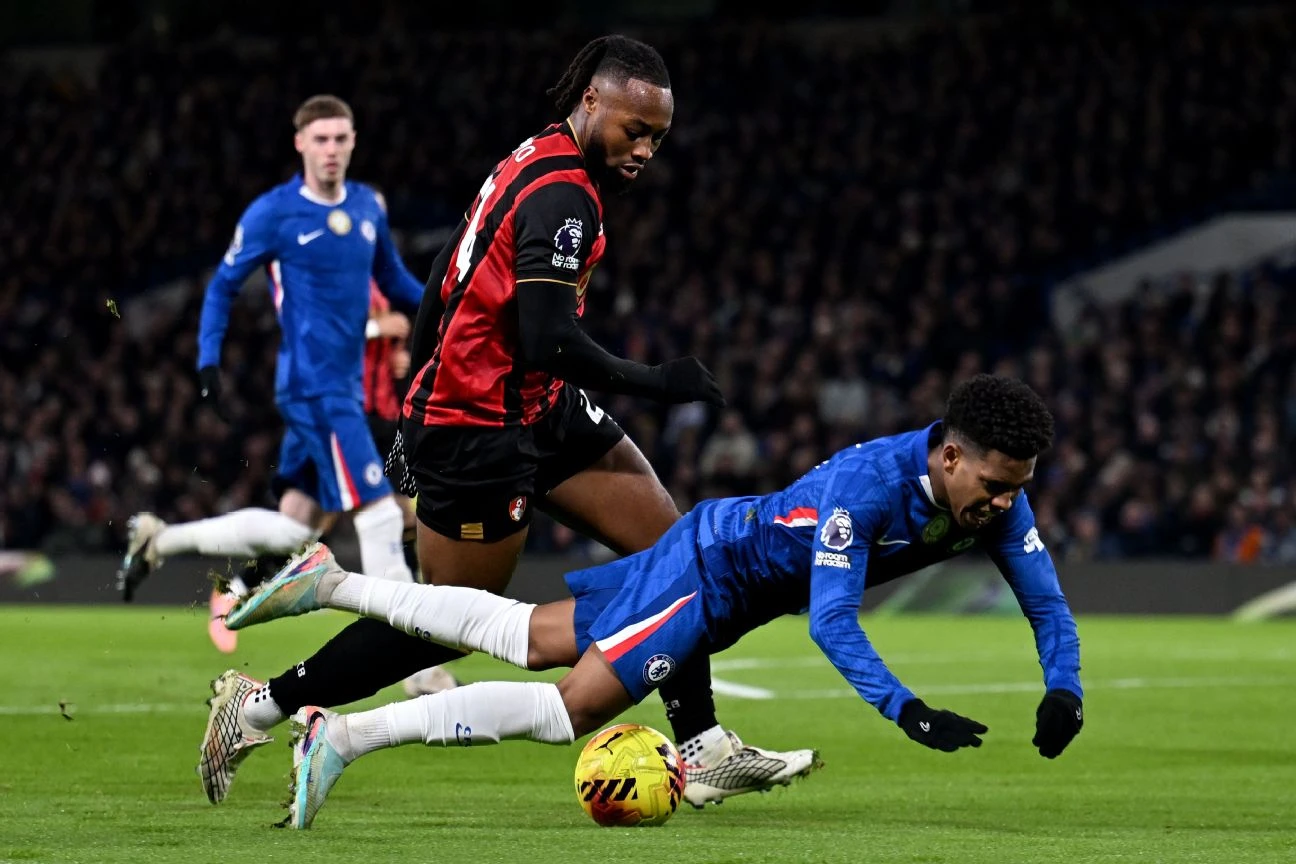
Every week, the Video Assistant Referee stirs up drama in the Premier League. Let's break down how these calls are made and if they're actually right.
This season, we're digging into the big moments to explain the VAR process and the rules of the game.
What went down: Chelsea's Estêvão was moving into the Bournemouth box, with Antoine Semenyo on his tail. Estêvão went down after some contact with Semenyo. The ref, Barrott, waved off Chelsea's penalty shouts, saying there wasn't a foul. He thought both players made contact naturally as they were running, and Estêvão basically tripped himself.
VAR said, "After looking at it, VAR Pawson suggested Barrott take another look at the monitor for a possible penalty because Semenyo might have tripped Estêvão."
VAR's take: Pawson had to figure out if the contact was just part of the play, like the ref thought, or if Semenyo fouled Estêvão. It was clear Estêvão tripped, but the question was how the contact started.
At first glance, it would be hard for Pawson to disagree with the ref because the main TV angle wasn't clear. But after checking out the sideline and behind views, Pawson saw that Semenyo stepped into Estêvão's path, making enough contact with his leg to cause him to trip.
Pawson told Barrott to check the monitor for a possible penalty. Barrott watched the replays, agreed, and gave Chelsea the penalty.
The call: It was a reasonable VAR call based on today's standards. But it's a borderline case.
Barrott seemed unsure of the monitor and needed some convincing from different angles.
A lot of the time, this kind of contact is just from players running normally, and someone goes down. To give a penalty, there really needs to be a clear foul by the defender. You could say that happened here, but it's a pretty low standard for VAR to get involved.
Chelsea 2-2 AFC Bournemouth
Referee: Sam Barrott
VAR: Craig Pawson
What: VAR check for a foul in the box
When: 11th minute
BREAKING: UNAI EMERY REVEALS THE REAL REASON BEHIND HIS COLD ARTETA HANDSHAKE SNUB NOW
Unai Emery explains why he skipped the post-match handshake as Arsenal’s 4-1 win ends Aston Villa’s 11-game streak at the Emirates.
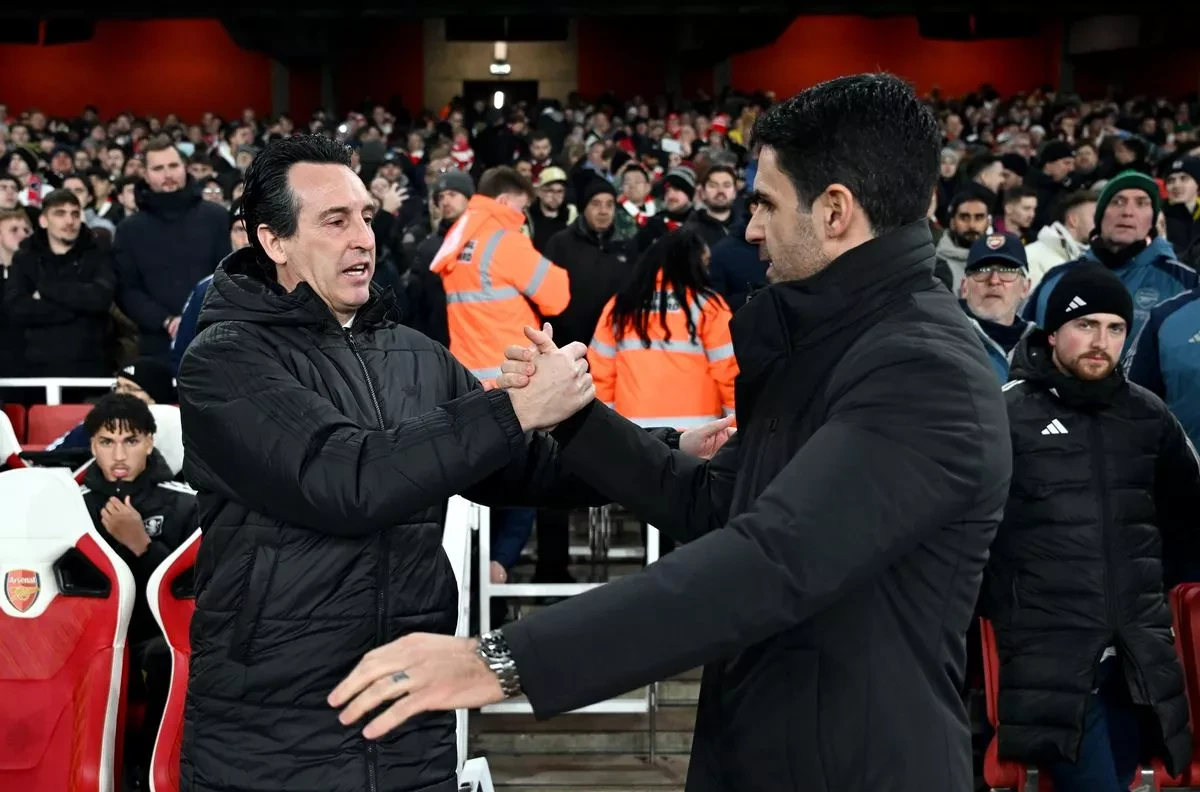
Unai Emery said he didn't shake Mikel Arteta's hand right after Aston Villa lost at the Emirates Stadium since the Arsenal manager kept him waiting.
This loss stopped Villa's winning streak at 11 games, their first in almost two months.
Villa held their own in the first half, but Arsenal scored early in the second when Gabriel got to the ball before Emi Martinez on a corner.
Martin Zubimendi quickly made it 2-0, and Leandro Trossard scored a third goal a little after an hour had passed.
Soon after entering the pitch, Gabriel Jesus scored, making it 4-0. Ollie Watkins was able to respond by tapping in a goal late in the game after Donyell Malen's nice play.
After the game, Emery waited to shake Arteta's hand, but he went to the locker room since Arteta was still celebrating with his team.
It’s easy to see. I like to do things fast,” Emery said when asked about why he didn’t shake Arteta’s hand.
“I shake hands, then I go to the dressing room with my players and coaches. I was waiting.
“Arteta was busy with his coaches, so I went inside. It’s not a big deal for me.”
About the match, Emery commented, “We played great in the first half, and things were going our way. We had corners and defended well. We didn’t let them get a corner in the first half.
“We felt good, but we let in the first goal in the second half. Onana getting hurt didn’t help since he’s important for set pieces and in the midfield.
“We didn’t quit, and we kept playing hard. We scored one goal and almost scored more. Arsenal is the best team in the league and should win the title.
“I’m not sure which day it is since we’ve played Arsenal twice already, and we still have to play Nottingham. But I’m happy with our goals and how we're trying to attain them.
Premier League Standings
Must Read

 Read More News