
BOURNEMOUTH 2-2 MAN UTD: HOW HARRY MAGUIRE’S ENGLAND RECALL ENDED IN A BRUTAL RED CARD

Manchester United missed the chance to close the gap on City after Harry Maguire's red card led to a late Kroupi penalty.
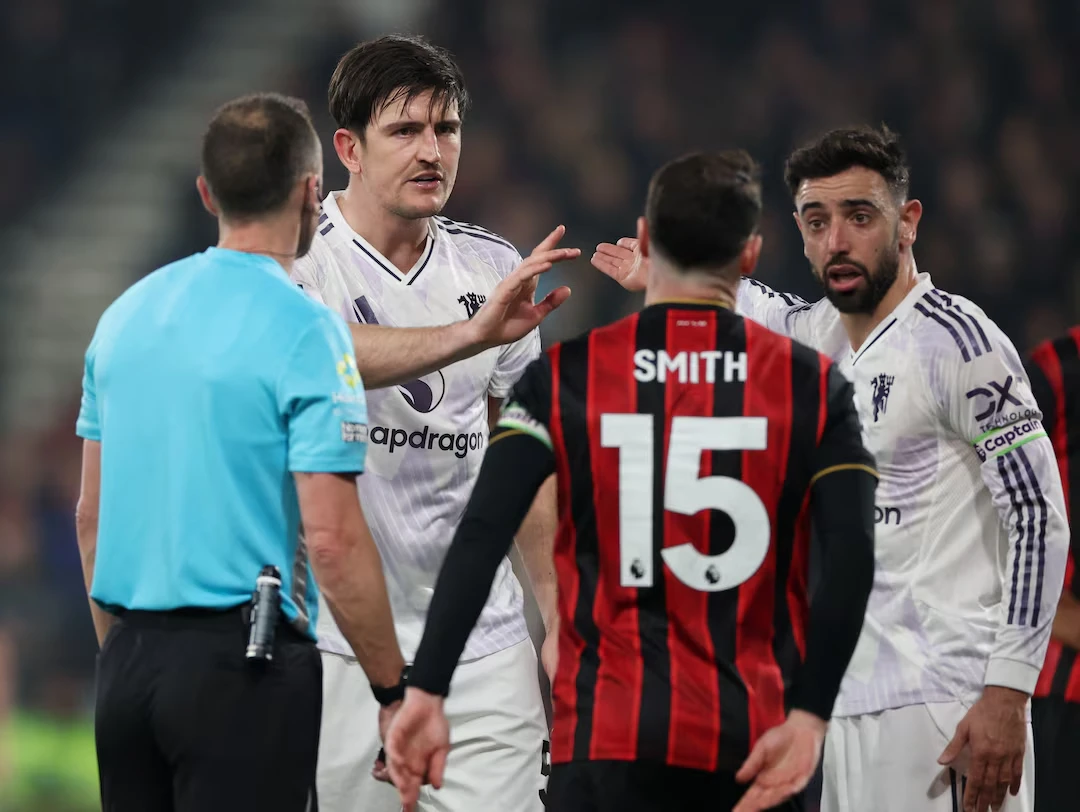
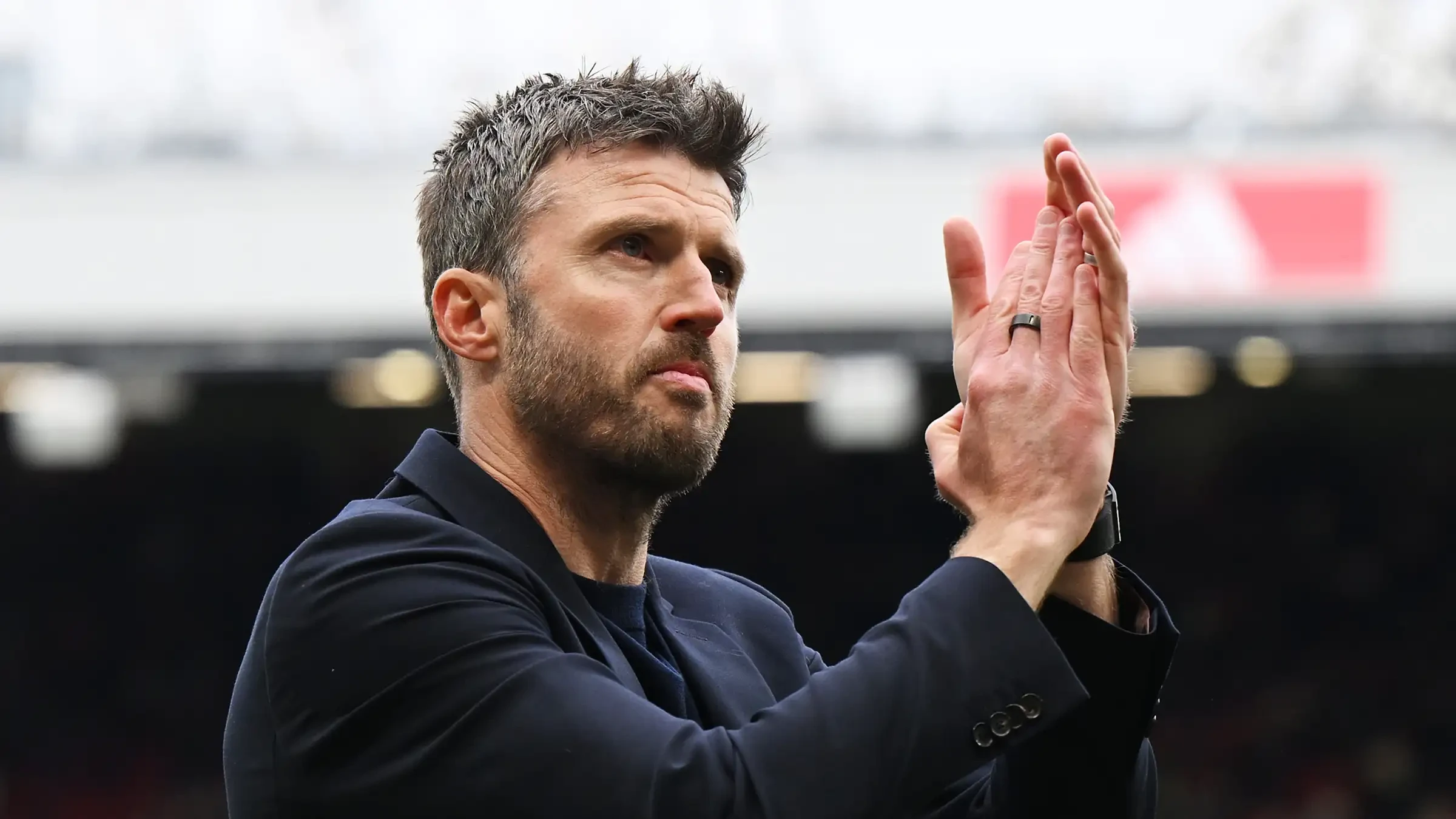
Manchester United’s impressive run under caretaker manager Michael Carrick hit a bump at Bournemouth, with Harry Maguire’s red card turning a potential win into a 2-2 draw. Still, the fact that they managed to secure a point hints at the direction they're heading.
United had the lead at 2-1 with just 12 minutes left and were only four points behind their fierce rivals, Manchester City. Then Maguire, on the day he was celebrating a return to the England squad and circulating contract rumours, made a reckless foul on Evanilson that handed Bournemouth a penalty.
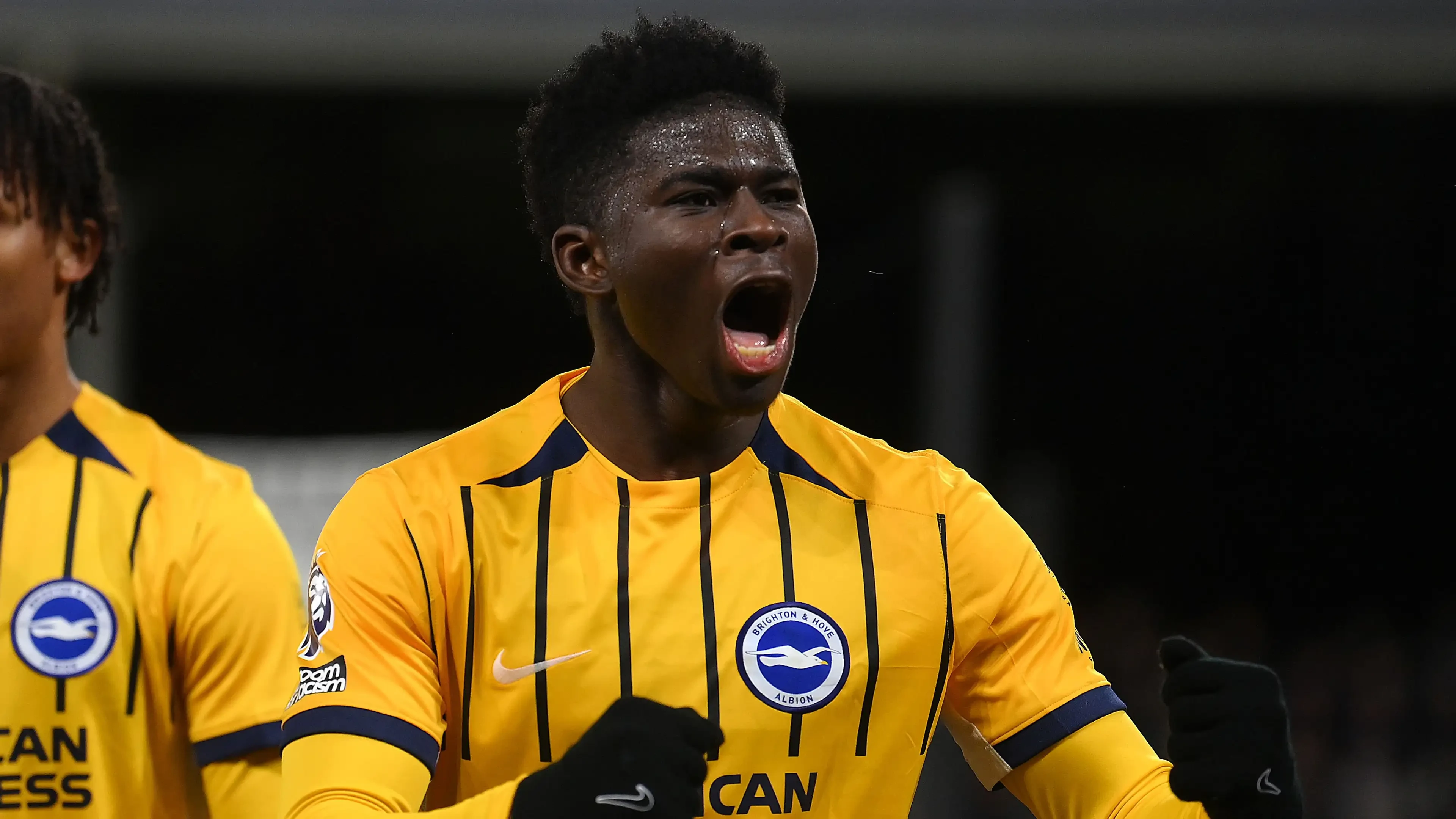
Junior Kroupi, who scored a late equaliser in the memorable 4-4 draw between these teams last December, calmly converted the spot-kick. That goal snatched a point for Bournemouth, which had seemed unlikely when United first took the lead.
Bruno Fernandes, the captain, put United ahead from the penalty spot after 61 minutes. But Ryan Christie quickly pegged them back before an own goal by James Hill pushed United back in front at 2-1.
Fans in the away section were likely glancing at the league table, imagining narrowing the gap on City and dreaming of qualifying for the Champions League next season.
Yet in football, momentum can shift unexpectedly. Maguire’s rash challenge not only changed the game but also shifted the outlook for United supporters. His red card means he’ll miss the next game against Leeds at Old Trafford.
Meanwhile, City had a weekend off from the Premier League to focus on the Carabao Cup Final against Arsenal at Wembley. Still, given the circumstances, Pep Guardiola’s side might be a bit anxious about United gaining ground, a situation few would have predicted five months ago.
But United missed an opportunity to pile on the pressure. On the upside, they are seven points clear of Chelsea in sixth and only six off the top two spots. So, the season is far from over.
It wasn’t the finish Carrick would have hoped for, but his impact since stepping in for Amorim has been remarkable, with 23 points earned under his watch.
The challenge Bournemouth posed wasn’t a surprise. Just like at Old Trafford, they showed they can compete with anyone, extending their unbeaten run to 11 games, though seven of those draws suggest some missed chances themselves.
United will leave with mixed feelings: frustration at dropping points, yet maybe some pride in how they battled to hold on.
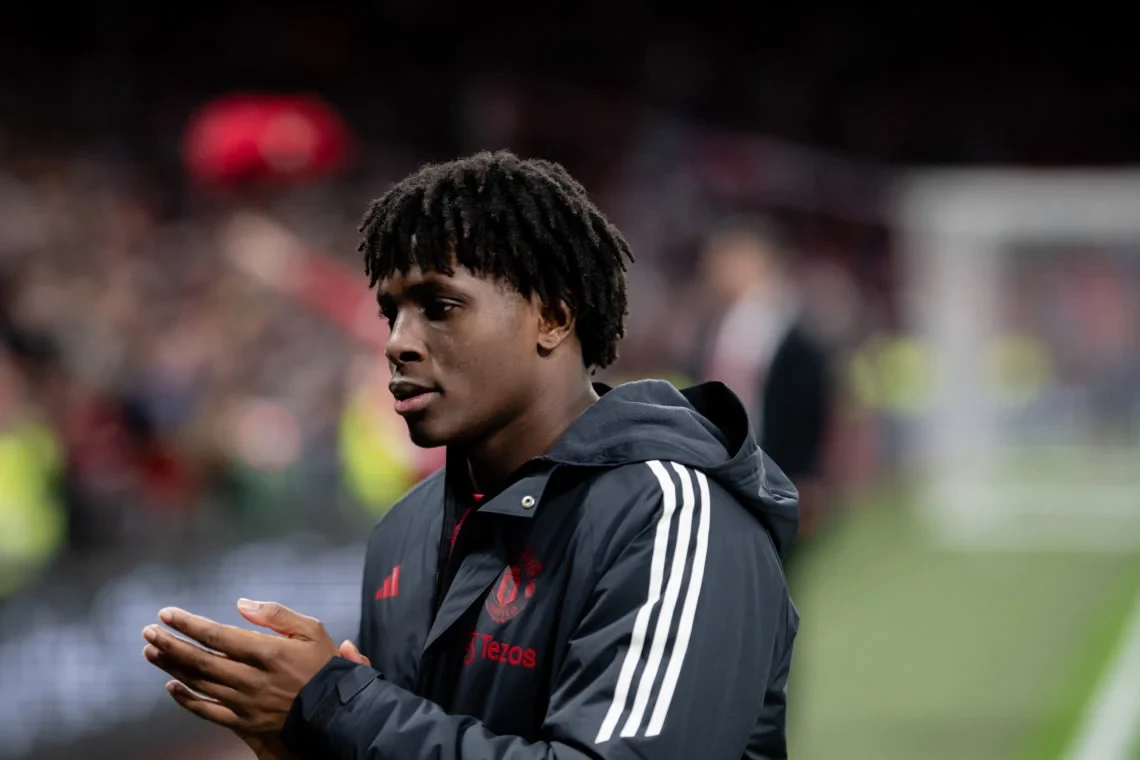
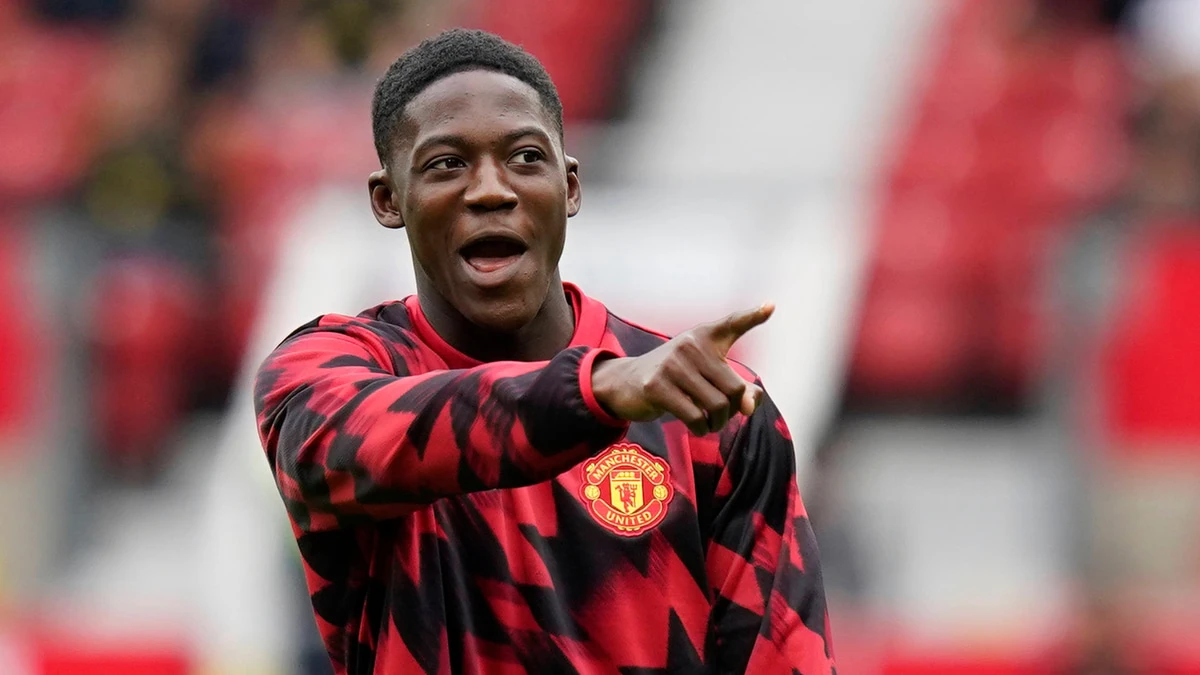
Carrick has reshaped what was a disjointed squad into a more dynamic, attacking team that has quality where it counts and character to spare. His decision to reinstate Kobbie Mainoo, who had been previously overlooked under the struggling Amorim, reflects this transformation.
Mainoo has thrived since returning, starting this match fresh off being named in the England squad, amid talks of a contract extension.
Carrick has also repositioned Bruno Fernandes closer to the goal, where he arguably always belonged. The result has been Fernandes firing on all cylinders with goals and assists, once again proving pivotal against Bournemouth.
Given the wild 4-4 draw earlier this season, expectations of a tame game seemed low. Early on, chances flew both ways: Amad Diallo’s shot was saved, and Bournemouth countered quickly, but Tavernier missed a clean breakaway.
Cunha forced another save from Petrovic before Fernandes was denied at close range following a clever move.
The second half brought more drama. United went ahead after Cunha earned a penalty from Jiminez, which Fernandes calmly converted. But controversy reared when Bournemouth’s breakout goal came shortly after Truffert appeared to foul Diallo in the box. After a long VAR review, no penalty was given, and Bournemouth’s goal stood.
United believed the win was theirs when Bournemouth turned a Fernandes corner into an own goal. Then Maguire’s foul and Kroupi’s penalty snatched that dream away.
Still, United showed resilience in the final moments to hold on for a point, a sign, perhaps, that positive change is underway.

INSIDE SENNE LAMMENS’ BLUEPRINT FOR MAN UNITED’S MASSIVE 2026 SUMMER TRANSFER OVERHAUL
"We want to be stronger." Read Senne Lammens' honest assessment of Manchester United’s squad needs after the Sunderland draw.
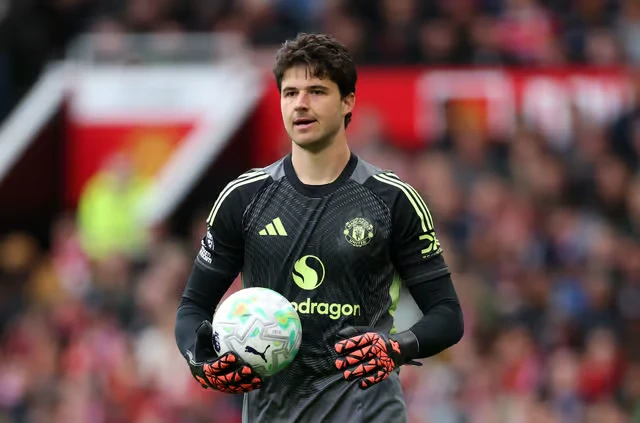
Senne Lammens isn’t hiding from the truth; he knows Manchester United have to beef up their squad this summer if they want to handle both the Premier League and Champions League next season.
Saturday’s 0-0 draw at Sunderland showed just how thin United are right now. Casemiro, Benjamin Sesko, and Manuel Ugarte all sat out with injuries, and you could feel their absence on the pitch.
It’s been a weird season for United. They played just 40 games, the fewest in over a century, because they were eliminated from Europe and both domestic cups so early. But now they’re back in the Champions League, and Lammens realises the team has to get deeper if they want to compete seriously.
“Yeah, definitely. This league’s tough, and next year’s schedule is going to be insane,” the goalkeeper said. “You want to have enough reliable players, people who can step up whenever they’re needed.”
Lammens made it clear that United must invest in new signings during the summer window. He’s not saying the squad lacks quality now, but he knows things will get tougher. “Honestly, I think we’ve got a lot of talent this year,” he said. “But next season’s going to ask a lot more from us, and you need to be ready for injuries and everything that can come with a busy year like today, when we missed a few regular starters. Being able to call on others to jump in really matters.”
He wants a strong, well-rounded group ready for the challenges ahead. “We’re already building towards that, but we want to be even stronger for next season.”
Some people wondered if United relaxed after they clinched their Champions League spot by beating Liverpool last weekend. Lammens brushed that idea off. He said head coach Michael Carrick was all over them, reminding everyone to finish the season on a high.
“I don’t think so, not for me at least,” Lammens said. “The manager made it clear that these last games are important. We want as many points as we can get and to finish as high as possible. How you end the season carries over. It’s your launchpad for next year. We want to keep the momentum going.”
He didn’t want to hear any excuses. “Honestly, if we’d played at Sunderland a few weeks ago before securing the Champions League, it still would’ve been tough. That wasn’t in our minds.”
Carrick echoed those thoughts after the match. He sounded almost annoyed when asked if the players were mentally on holiday already.
“I get almost offended by that,” he said. “The way the players prepared and battled out there, it’s clear they’re still focused. If we’d been off it, we’d have lost. Sunderland pushed us hard at times.”
He thinks the pride and responsibility of playing for Manchester United is all the motivation the team needs. “That’s what keeps us sharp, knowing we represent something big. That doesn’t guarantee we’ll always play brilliantly, but it’s enough to fight through tough days.”
MANCHESTER UNITED HOLD ADVANCED NEGOTIATIONS FOR RECORD-BREAKING £18M BETWAY SPONSORSHIP

Despite the upcoming front-of-shirt gambling ban, explore how Man United’s Betway deal targets training apparel at Carrington.
Manchester United are currently discussing a potential sponsorship deal with Betway, reportedly worth up to £18 million. This comes despite the Premier League having banned betting companies from featuring as main shirt sponsors starting from the 2026-27 season.
Back in 2023, Premier League clubs collectively agreed to remove gambling logos from the front of their shirts. From that point, no top-flight team will carry betting advertisements on their kits during matches. But this new deal would see Betway appear on United’s training gear, not their matchday shirts.
According to reports from the MEN, talks have progressed significantly. If an agreement were reached, the Betway logo would be quite visible on the training apparel worn by players at Carrington, United’s training ground. That means fans would regularly see the branding in video footage and photos taken during training sessions.
Previously, United’s training kits featured Tezos, a blockchain company, until that partnership ended in June 2025. Betway has its own history with English football; they’ve been shirt sponsors for West Ham United and maintain global gambling partnerships with several Premier League clubs, including Manchester City, Arsenal, and Brighton & Hove Albion.
The financial terms on the table for this Betway deal would be substantially close to £18 million, putting it on a similar scale to Bayern Munich’s partnership with Allianz, which includes stadium naming rights. This is quite a significant figure for a single training kit sponsor.
This season, United have gone without a sponsor on their training gear. After the Tezos contract expired, the club chose not to rush into a new agreement. They wanted to carefully evaluate potential partners, both from a financial standpoint and in terms of brand alignment.
There were even conversations with the African division of the Six Rivers Foundation, a conservation project in which United minority owner Sir Jim Ratcliffe has invested. However, those discussions didn’t lead to a deal.
When majority owners Joel and Avram Glazer visited Carrington earlier this year, commercial revenue and sponsorship opportunities were among the key topics addressed. The club has also brought in marketing agency Two Circles, where ex-United sales manager Leo Thompson works, to help find a new sleeve sponsor, given that the current contract with DXC ends this summer.
Securing Champions League qualification for next season under Michael Carrick’s leadership has somewhat eased the process. United guaranteed their place in Europe’s top competition after a 3-2 victory over Liverpool at Old Trafford, which should make the club more attractive to potential commercial partners.