
HAND-PICKED MENTOR: WHY RICO VERHOEVEN TRUSTED PETER FURY FOR HIS BOXING DEBUT
Peter Fury, the man who guided Tyson to victory over Klitschko, is now training Rico Verhoeven to face Oleksandr Usyk in Egypt.
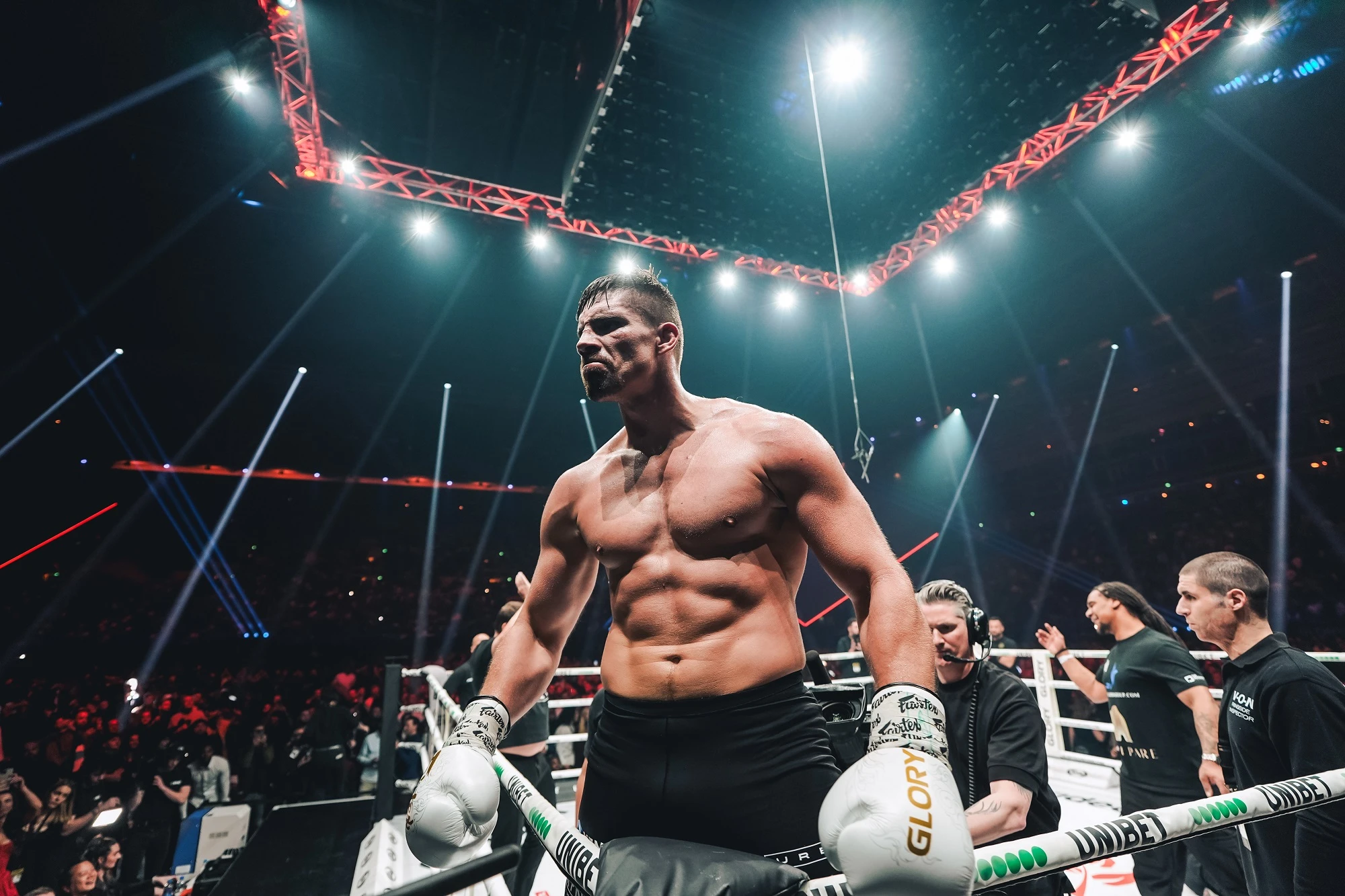
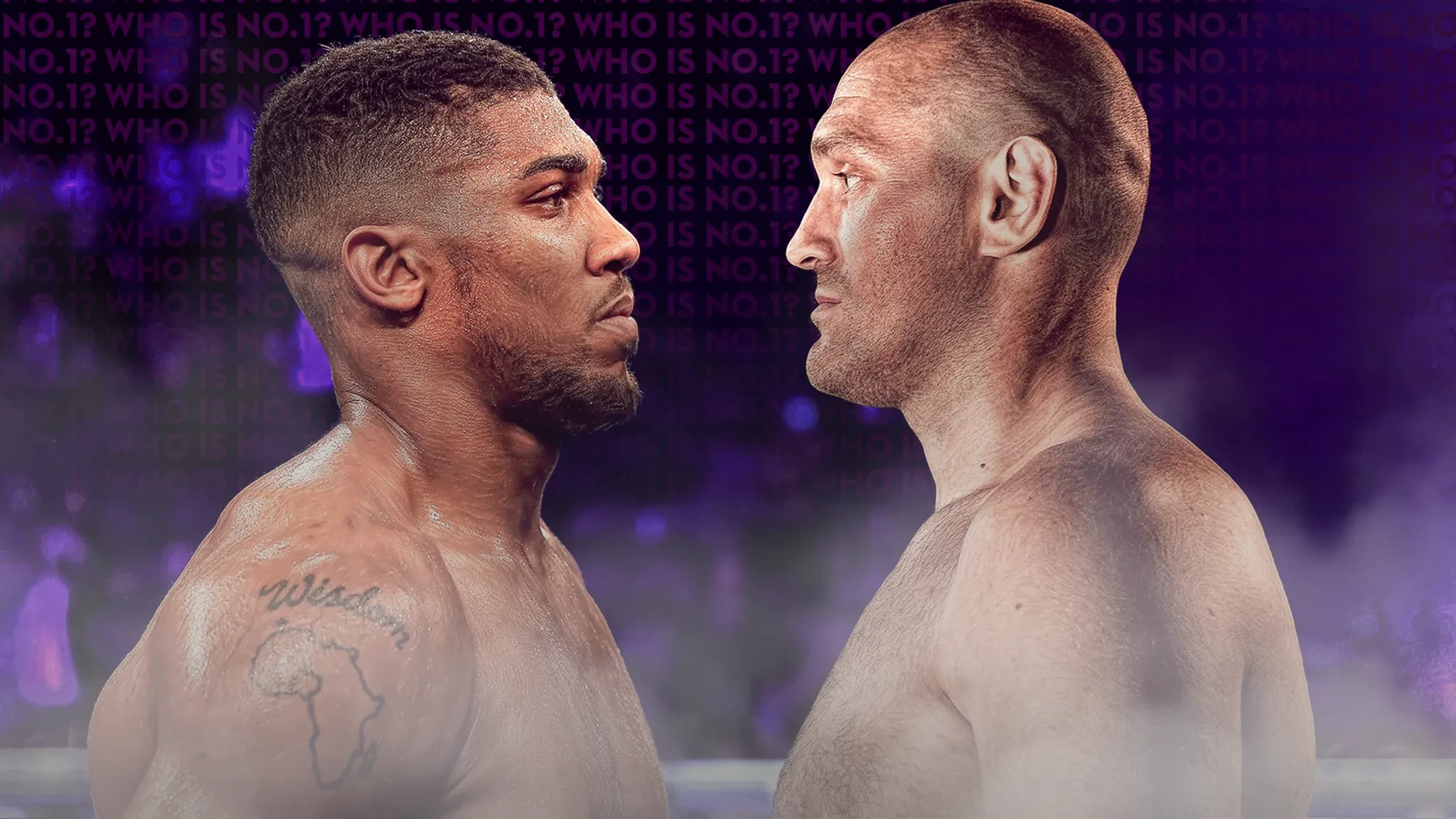
Tyson Fury’s shock win over Wladimir Klitschko in 2015 didn’t just end a decade of heavyweight rule; it flipped the whole division on its head and kicked off a new era. Behind that night’s master plan was his uncle, Peter Fury, the sharp-minded trainer who now finds himself on the verge of pulling off something even bigger.
This time, Dutch kickboxing icon Rico Verhoeven, who’s only had one professional boxing fight, has picked Peter Fury to guide him as he gets ready to face unified heavyweight champ Oleksandr Usyk. The fight’s set for May 23, right by the Giza Pyramids in Egypt, with the Ring Magazine sponsoring the event.
Usyk’s WBA, IBF, and Ring belts aren’t on the line, but on Sunday, the WBC announced its title is up for grabs, even though Verhoeven’s pro boxing résumé is just a single bout.
DAZN will stream the fight exclusively.
Peter Fury jumped on social media to announce he’s heading to Holland for a full three-month camp. He sounded fired up: “It's going to be a great night. A lot of hard work to be done, but two great people and two great champions in their own right. What a privilege. Looking forward to this camp, and God will decide whatever happens.”
Verhoeven’s probably the most decorated heavyweight kickboxer out there, but he knows what he’s up against. Usyk hasn’t fought since knocking out Daniel Dubois last September to become a two-time undisputed heavyweight champ. That’s not exactly an easy mountain to climb.
Verhoeven’s only pro boxing fight was back in 2014, when he stopped Janos Finfera in two rounds. Still, he’s kept his boxing sharp. Over the years, he’s built a solid relationship with Peter Fury and has made regular stops at Fury training camps. He’s even sparred with both Tyson and Peter’s son, Hughie Fury, who once held the British heavyweight title and challenged for a world title.
Now, with the biggest test of his career ahead, Verhoeven’s putting his faith in a trainer he knows and trusts, someone who knows how to handle heavyweight business.

TYSON FURY BLASTS ANTHONY JOSHUA AFTER DANIEL DUBOIS STOPS FABIO WARDLEY IN MANCHESTER
Tyson Fury has labelled Anthony Joshua "chinny" after Daniel Dubois secured the WBO heavyweight title against a resilient Fabio Wardley.
_1778508156.webp)
Tyson Fury wasted no time after Daniel Dubois stopped Fabio Wardley this past weekend, using the moment to take a shot at Anthony Joshua.
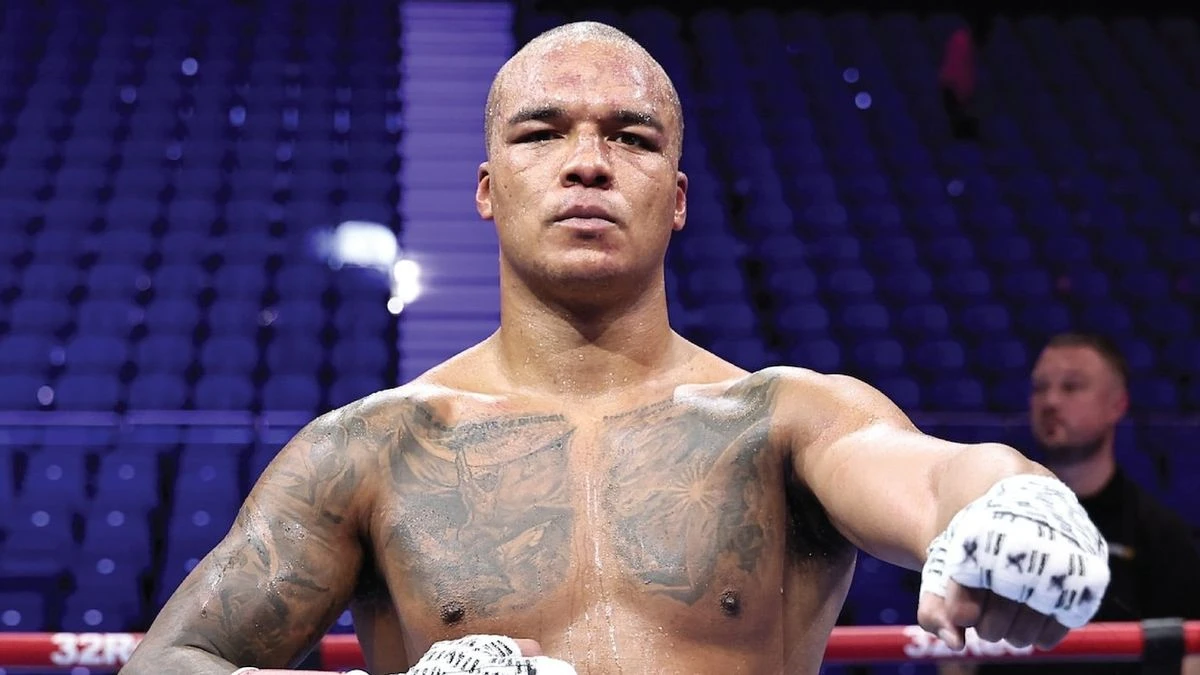
Dubois picked up his second heavyweight title Saturday night in Manchester, grabbing the WBO belt from Wardley in a wild, bloodied battle that’s already being called a fight of the year candidate.
It wasn’t all smooth sailing for Dubois, though. He hit the canvas twice in the first three rounds but bounced back hard, battering Wardley late and leaving his face a mess as the final bell sounded.
Wardley never actually went down during the fight, despite looking wobbly near the end. Credit to him for sheer toughness, but Dubois still beat him decisively. This was Dubois’ first victory since his massive upset over Anthony Joshua earlier in 2024, when he floored AJ four times in one night.
On Sunday, Fury chimed in about Dubois’ latest win. With his own fight against Joshua rumoured for later this year on Netflix, Fury saw an opening to stir the pot.
“Just been thinking about Dubois’ crazy fight last night,” Fury said. Dubois fought [Jarrell] Miller, stopped him, but never put him down. He fought. [Filip] Hrgovic stopped him but never put him down. Fought Wardley last night and stopped him, but didn’t put him down. He hit Usyk with bombs but didn’t drop him. But against Anthony Joshua? Drops him five times.”
Fury added, “I’m not saying Joshua’s got no chin, but facts are facts. Take it however you want. Nobody else went down, not Miller, not Hrgovic, not Usyk, not Wardley. But Joshua hits the deck five times? Chinny, get up, slink!”
Fury is coming off a comeback win over Arslanbek Makhmudov and has already signed on to fight Joshua this year. Joshua will warm up first against Albanian heavyweight Kristian Pregna in Saudi Arabia on July 25 before facing Fury.
Promoter Frank Warren says Fury vs. AJ will probably land in October, though Fury might want another tune-up, which could push things back a bit.
As for Dubois, he’s got options. There’s talk of a rematch with Wardley, a chance to settle the score with Usyk in a trilogy, or a domestic showdown with Moses Itauma. Dubois’ dad, Stan, told talkSPORT he’d rather see his son fight another British heavyweight next, not Usyk.
HOW DANIEL DUBOIS SURVIVED TWO KNOCKDOWNS TO STOP A BLOODY FABIO WARDLEY
"I had to dig deep." Read Daniel Dubois' full reaction to his stunning comeback victory against Fabio Wardley in Manchester.
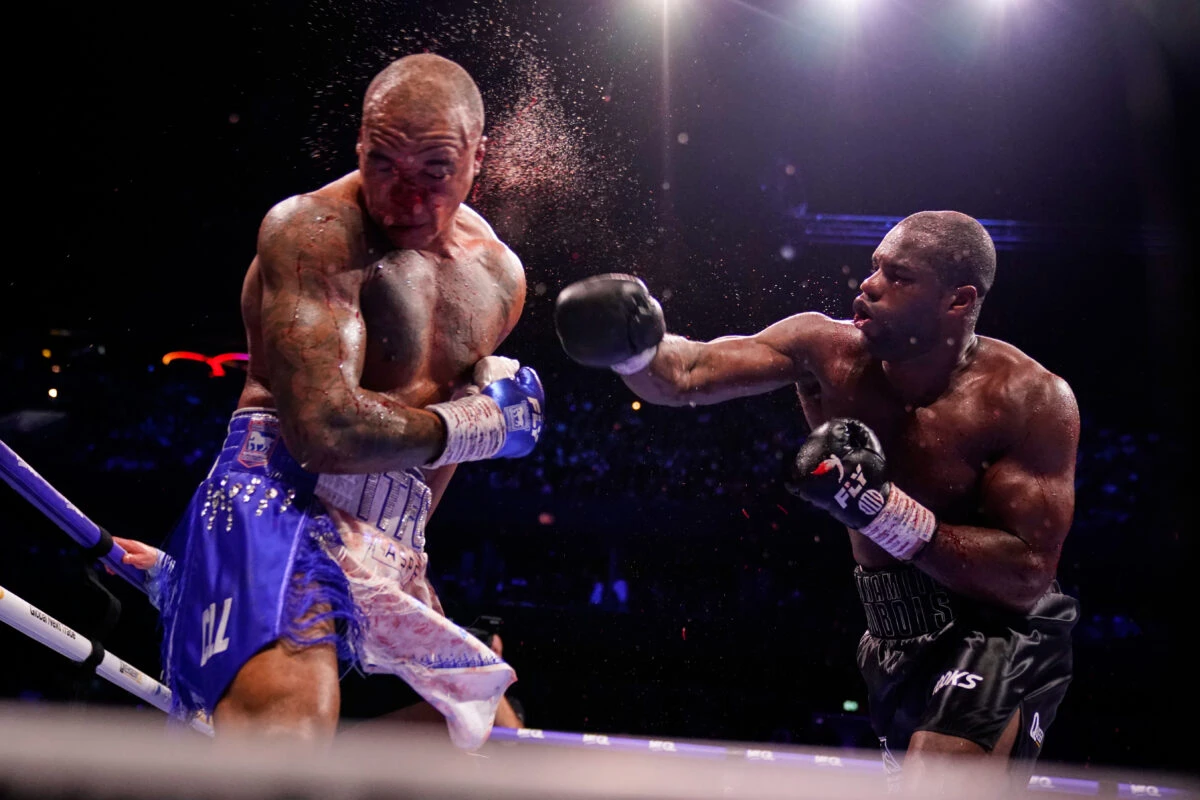
The punch that changed everything wasn't thrown by either of the fighters.
Fabio Wardley came out blazing in his title defence, dropping Daniel Dubois just 10 seconds in. He did it again in the third round, making it look like his big night. But then, something strange happened. As Dubois got up after the fourth round, his trainer, Don Charles, slapped him hard on both cheeks.
That’s when Dubois woke up. “I had to make him realise what he needed to do,” Charles said afterwards. It’s not exactly the kind of thing you see at team-building seminars, but it worked. Dubois turned on, and suddenly Wardley’s reign started to unravel.
Wardley had picked Dubois for the first fight since collecting the WBO belt that Oleksandr Usyk dropped. Honestly, it looked like a smart pick: he dropped Dubois twice and set the tone. But after that slap, Dubois started seeing Wardley’s moves coming; those wild lunges became easier to dodge.
He landed his stiff jab and followed up with savage right hands. Wardley’s jaw somehow took the hits, but his nose was pouring blood, and his right eye was almost swollen shut. He kept pushing forward, showing crazy heart, while Dubois just kept piling on. The fight turned into a brutal spectacle, the kind you can’t look away from.
Wardley got checked twice by doctors but kept fighting. Honestly, it could've stopped before the second-to-last round, when referee Howard Foster finally stepped in. Dubois got his second world title; Wardley, battered and worn, just managed a thumbs up to his mum.
Dubois summed it up later: “I had to dig really deep. When you’re a warrior, you go to dark places. I was nervous at first, all over the place, and had to fight my own battles. That slap woke me up. My dad and everyone were in my corner; I couldn’t let them down.
“Fabio came to fight; he was tough. We were exhausted; it was a real war. I had to use all my skills to win. Great fight, great battle, and I’m No. 1 again.” Sure, Usyk might argue about that, but Dubois proved something; he got up off the canvas and won.
People have called Dubois a quitter since the Joe Joyce fight six years ago. Wardley himself thought Dubois would fold again in Manchester, and for three rounds it looked like he was right until reality snapped Dubois awake.