
THE NAPOLI TRAP: MAPPING THE €70M PENALTY CLAUSE BLOCKING OSIMHEN’S ITALIAN RETURN

Victor Osimhen transfer update: Discover why a return to Italy is "impossible" and how Chelsea could fund his massive salary.
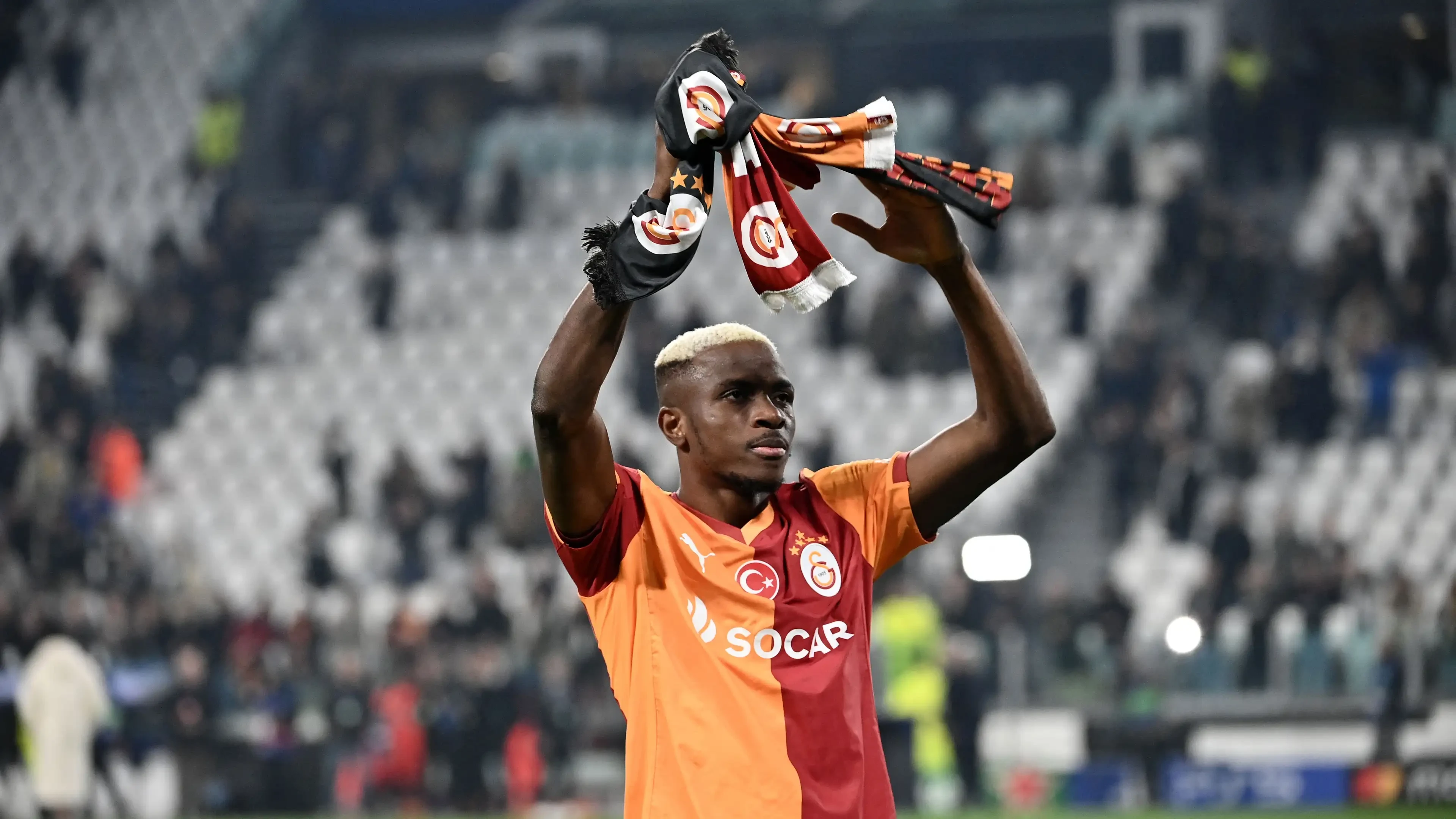
Victor Osimhen only joined Galatasaray last summer, but the transfer rumours just won’t let up. Chelsea have chased him for ages, and now people keep linking him with another big move.
Galatasaray didn’t just make noise last year; they shook Turkish football. They went all out in the transfer market, spending like never before and forcing bitter rivals Fenerbahçe to open their own wallets wide.
They smashed their old transfer record (which was €18 million) by paying €75 million for Osimhen alone. Then they brought in Wilfried Singo for €31 million and Ugurcan Cakir for €27.5 million. Ismaila Jakobs and Przemyslaw Frankowski joined as well, costing another €8 million and €7 million. The whole spree? €148.5 million. And that’s not even counting the huge wages for these guys and for free agents like Leroy Sane and Ilkay Gundogan. Meanwhile, Galatasaray only brought in €18 million from player sales.
So yeah, people are starting to wonder if this is sustainable. Telegrafi ran the numbers and tried to calm everyone down, suggesting the spending isn’t as reckless as it looks.
Is Galatasaray going to have to sell Osimhen? The club pulled in roughly €275 million in revenue last season and might hit €350 million this year. That’s solid for any club, even compared to Europe’s biggest.
Their Champions League run, knocking out Juventus and reaching the round of 16, already earned them about €40 million, and that’s not including TV money and other perks from the tournament.
Add it all up, and Galatasaray’s assets are worth a net €143 million. They’re also fully compliant with UEFA’s Squad Cost Ratio rule, mostly because they’re spreading out the cost of those big transfer fees.
Still, Turkish football has a rough history with money. Plenty of clubs have crashed and burned, so fans are nervous about Galatasaray spending so much so fast.
And with Osimhen, people are doubting he’ll stick around. His wages alone, €15 million a season, are a heavy load for any Turkish club. Rumour has it he’s even missed a couple of pay cheques. Honestly, that’s not unheard of. Alvaro Morata called Galatasaray out for not paying up last summer. But with Osimhen, it’s just speculation for now.
Despite all that, the chatter about Osimhen leaving is only getting louder. He’s been talking up Juventus recently, a club that tried to sign him last summer. Napoli blocked that move; they didn’t want to sell to a Serie A rival.
To stop any quick return to Italy, Napoli added a penalty clause when they sold Osimhen to Gala. According to Gazzetta dello Sport, if Galatasaray sells him back to Serie A in 2026, they owe Napoli another €70 million. In 2027, it drops to €50 million.
That clause only runs for two years, but with Serie A clubs struggling for cash, paying €100 million-plus for Osimhen (once you add his wages and the penalty) just isn’t realistic. Juventus or anyone else in Italy? Out of the question, at least for now.
So, if Galatasaray has to sell Osimhen, whether for money or other reasons, the Premier League seems like the most likely landing spot. He’s already turned down moves to Saudi Arabia. The guy wants to stay in Europe.
PSG looked at him, but their new salary cap rules make a deal tough. Same story with Chelsea in the past; they just didn’t want to cover his pay cheque. Still, Chelsea keeps coming up in the rumours, and some fans want the club to rethink their transfer plans and bring in proven winners to help guide Liam Rosenior’s young squad.
Osimhen would cost a fortune, no question. But he’s exactly the kind of player Chelsea needs.

THE HIDDEN MATH BEHIND FIFA’S $33,000 WORLD CUP FINAL TICKET PRICE SURGE

Gianni Infantino defends $32,970 ticket prices at the Milken Institute, citing the US market as the world's most developed.
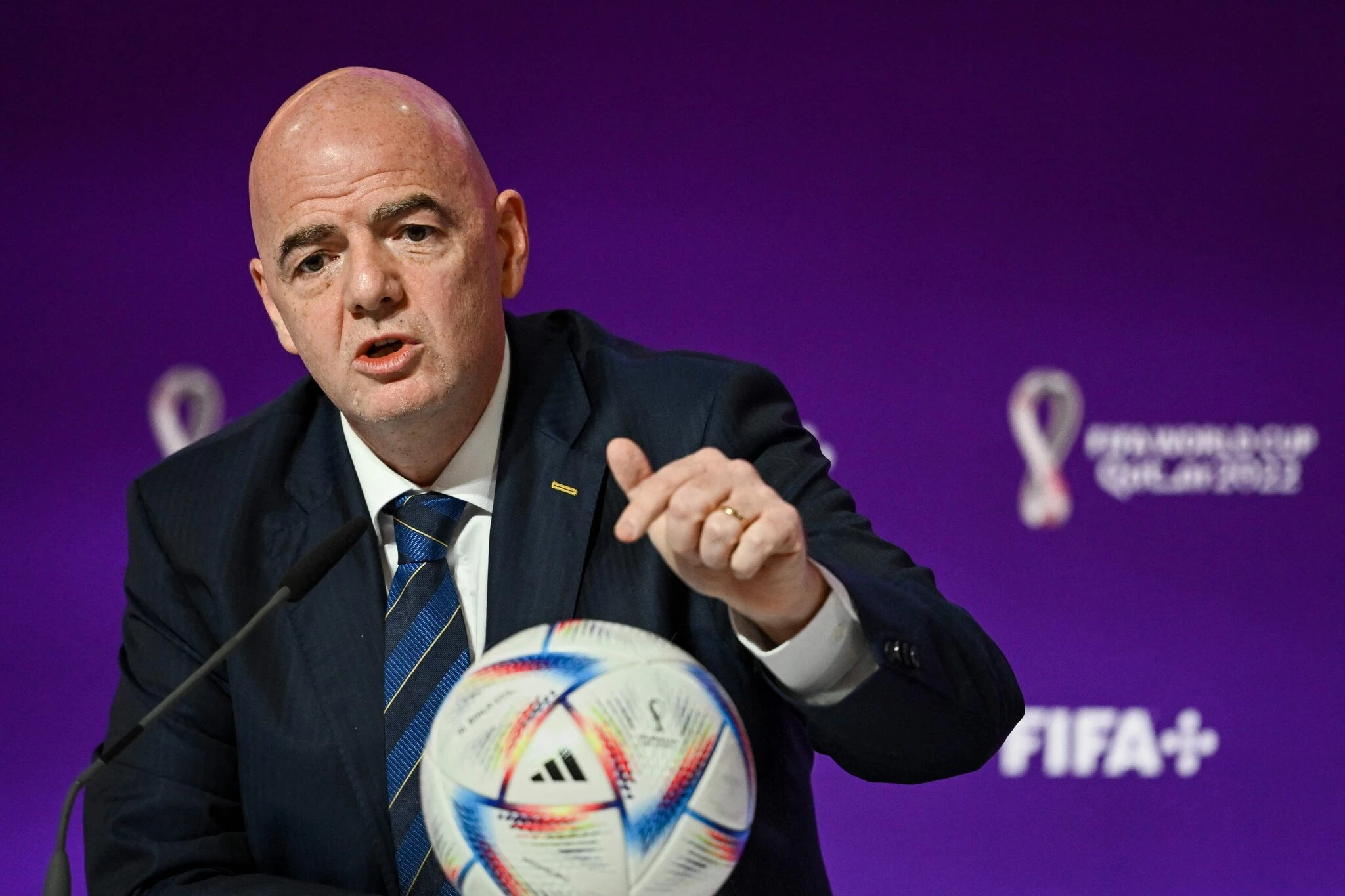
FIFA just tripled the price of its top tickets for the World Cup final, now charging $32,970 for the best seats at the July 19 match at MetLife Stadium in New Jersey. On Thursday, those front-row “category 1” seats popped up for sale, right as members of Congress started pushing FIFA for answers about high prices and demanding more transparency on how tickets are being priced.
Before, the highest category 1 ticket for the final topped out at $10,990. Now, the only way to snag that price is if you need a wheelchair or special-access seat; otherwise, you’re looking at the new, much steeper cost.
Prices don’t stop there. For the July 14 semifinal at AT&T Stadium in Texas, seats are $11,130, $4,330, $3,710, and $2,705. The next day’s semifinal in Atlanta? $10,635, $3,545, and $2,725. U.S. group stage matches aren’t cheap either; opening night in California runs $2,735, $1,940, or $1,120 a seat. The June 19 clash against Australia in Seattle sits at $2,715. And for the finale against Türkiye back in LA, tickets range from $2,970 down to $840.
Representatives Nellie Pou and Frank Pallone Jr, both Democrats from New Jersey, fired off a letter to FIFA’s president Gianni Infantino, calling FIFA’s use of “dynamic pricing” too secretive and criticising practices that make it tough for regular fans to get seats. Their letter didn’t mince words: “We’re deeply concerned about FIFA’s opaque pricing and shifting rules. Fans are getting frustrated and feel misled. We want to know how FIFA ensures everyone can actually afford to attend and what’s being done to address these concerns.”
Gianni Infantino hasn’t backed down. On Tuesday at the Milken Institute Global Conference in Beverly Hills, he defended his price tags. “We have to look at the market,” Infantino said. “This is the most developed entertainment market anywhere, so we charge market rates. Tickets here can legally be resold, so if you price them low, people just flip them for more. In fact, even with what some call high prices, tickets end up reselling for twice as much or more.”
He also pointed out, “You can’t go to a college game in the U.S., never mind a pro one, without spending at least $300 for a decent ticket.”
Sure, tickets for huge events like the Super Bowl or the College Football Championship can hit these levels, but scores of seats at U.S. college and pro sporting events, even the NBA playoffs, still go for under $300.
When it comes to resale, FIFA doesn’t set those prices. On its official ticket exchange, final match seats were listed Thursday from $8,970 all the way up to a wild $11,499,998.85, the latter for a spot four rows from the top in the upper deck. FIFA takes 15% of each sale from both buyer and seller. Last month, somebody listed a final ticket for $2,299,998.85.
Infantino joked about those prices: “If people list final tickets for $2 million, number one, that’s not the actual price. Number two, who’s paying that? If someone does, I’ll personally deliver them a hot dog and a Coke.”
Ticket prices aren’t the only pain point for fans. Getting to the game, especially at MetLife Stadium, has its own sticker shock. NJ Transit originally set a $150 round-trip fare from anywhere to the stadium, way up from the normal $13-ish round trip from Manhattan’s Penn Station. After plenty of backlash, they cut it down to $105, but that’s still steep.
Governor Mikie Sherrill, via her spokesperson Steve Sigmund, said she’s pushing for more corporate contributions to lower fares for fans. “The governor is grateful for the companies helping reduce costs and will keep working to make the World Cup a win for both fans and New Jersey.”
FIFA, for its part, warned that these high transit prices could dampen turnout in New Jersey, while other host cities, LA, Dallas, and Houston, aren’t hiking fares for the games.
MetLife Stadium, usually home to the Giants and Jets, will host eight World Cup matches, including the final. Group stage games for powerhouse teams like Brazil, France, Germany, and England all kick off starting June 13.
FIFA EXTENDS PRESTIANNI BAN WORLDWIDE; WINGER SET TO MISS WORLD CUP OPENERS

Gianluca Prestianni will miss games against Algeria and Austria if selected by Scaloni. Get the full disciplinary breakdown.
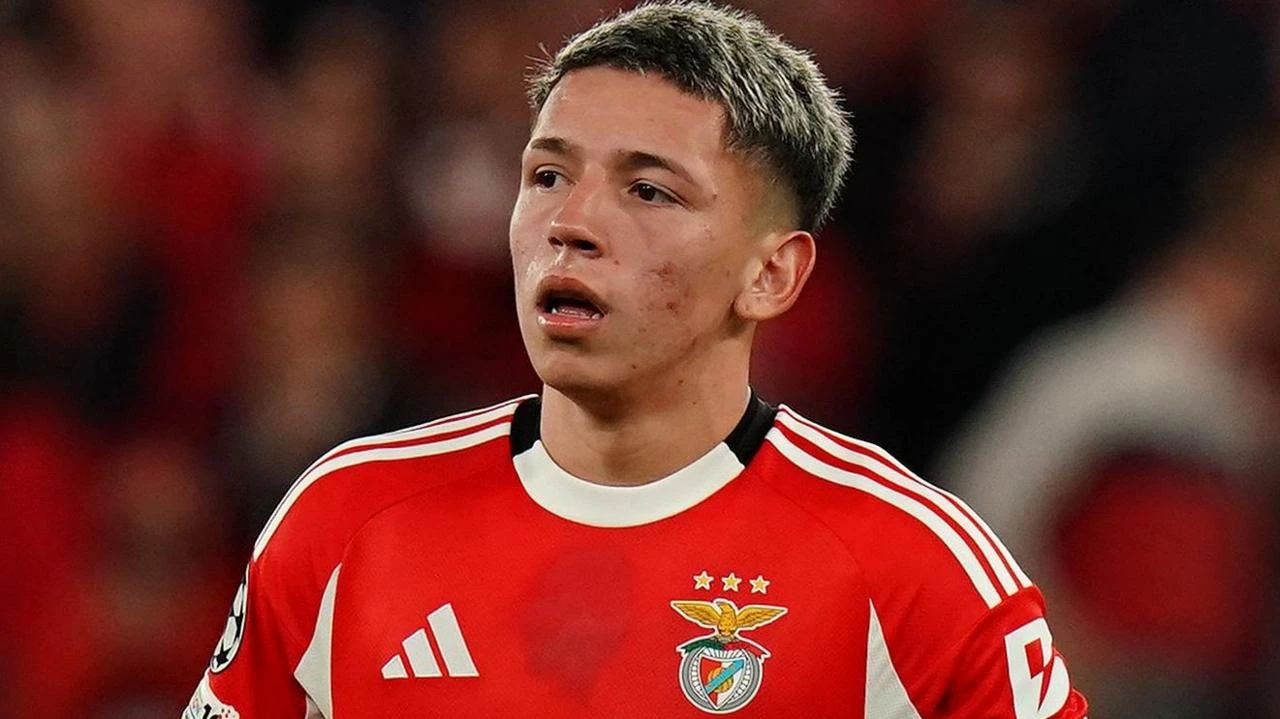
FIFA has extended Gianluca Prestianni’s suspension for homophobic conduct to apply globally, which could sideline him for Argentina’s first two matches at the 2026 World Cup. The winger from Benfica, initially punished after a well-publicised incident with Real Madrid’s Vinícius Júnior, will now have his ban affect not just club matches but international competitive games as well.
The disciplinary move by FIFA follows a request from UEFA, and the FIFA Disciplinary Committee has confirmed the six-match ban will take effect worldwide. According to a FIFA spokesperson, the committee agreed to broaden the suspension’s scope, impacting all levels of competitive play.
This decision carries serious implications for both Benfica and Argentina. What was once a suspension limited to UEFA competitions now bars the 20-year-old from participating in any FIFA competitive events, including the upcoming World Cup in North America.
If Prestianni makes Lionel Scaloni’s final Argentina roster for 2026, he will be forced to sit out the opening group stage games against Algeria and Austria. Despite this setback, he remains eligible for friendlies; he was actually called up earlier this year for matches against Mauritania and Zambia following his November 2025 senior debut.
While the ban totals six matches, half of those come with a two-year probationary clause. After missing a Champions League match against Real Madrid under a provisional suspension, Prestianni still has two active games left to serve. Notably, domestic games with Benfica this season are unaffected, since the worldwide ban targets only competitive international fixtures.
The incident that triggered this whole saga happened on February 17 during a Champions League knockout match at Estadio da Luz. Vinicius Junior accused Prestianni of racial abuse, prompting referee Francois Letexier to pause the game for eight minutes and activate FIFA’s anti-discrimination protocol.
Prestianni has denied these accusations and issued a statement saying he never directed racist insults at Vinicius Junior, suggesting the player misunderstood what was said. He also condemned the threats he received from Real Madrid players in the aftermath.
Despite his denials, UEFA’s investigation concluded that Prestianni engaged in discriminatory, specifically homophobic, conduct, leading to his suspension.
Questions remain about the length of the ban, as UEFA’s rules generally mandate a minimum 10-match suspension for offences against human dignity based on factors like race or sexual orientation. UEFA has not explained why the disciplinary body settled on a shorter six-match penalty.
Looking ahead, Prestianni faces a challenging path to regain standing under scrutiny. Should he violate conduct rules again within the probationary period, the remaining three matches of his ban could be enforced immediately, potentially harming his prospects with both Benfica and the Argentina national team.