
REVENUE REALITY CHECK: HOW CHELSEA FELL £235M BEHIND MANCHESTER CITY’S FINANCIAL LEAD

Chelsea's £511M revenue vs City's £746M: Discover the truth behind the Blues' massive operating costs and wage bill surge today.
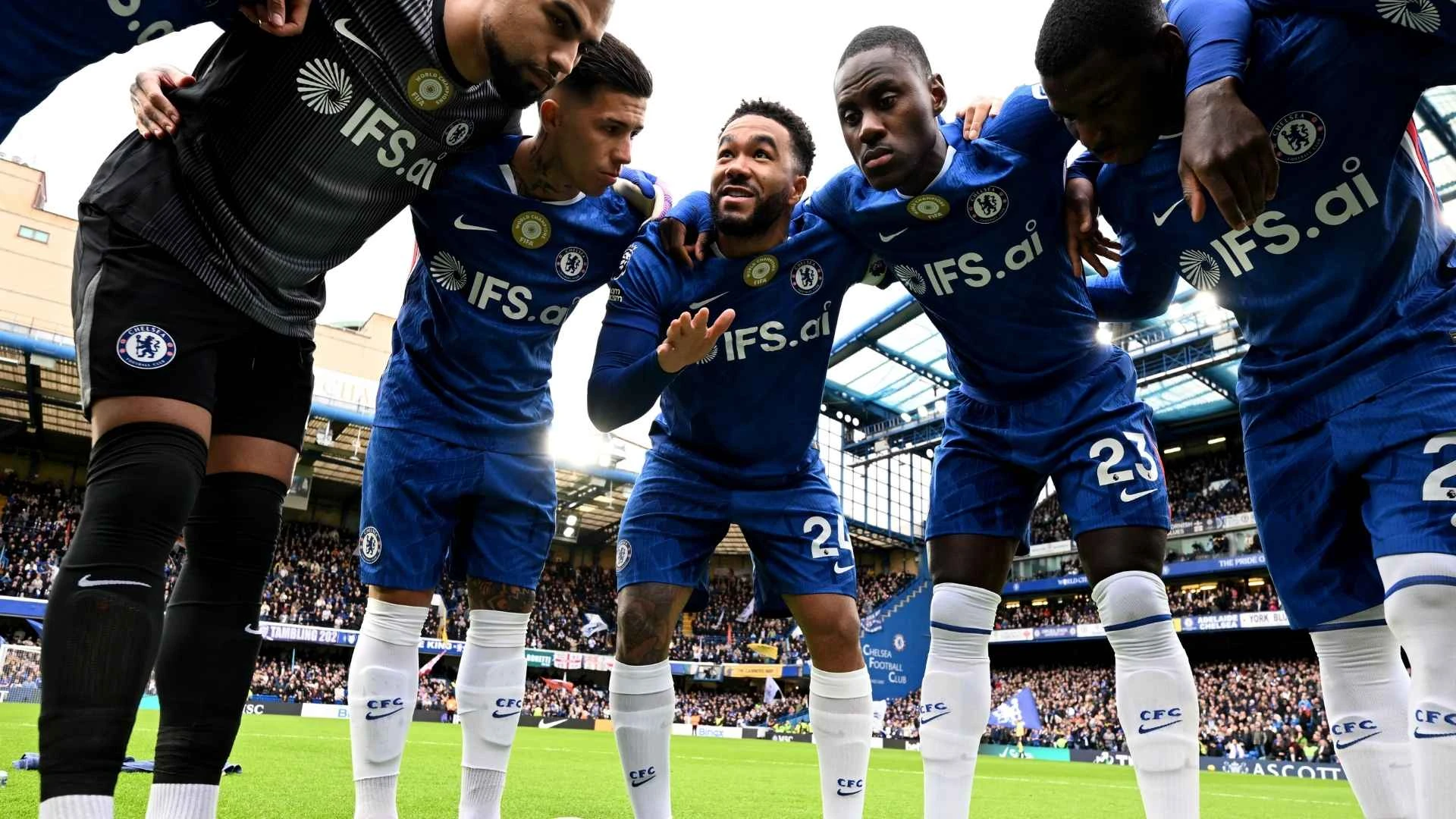
Uefa’s numbers make it pretty clear: Chelsea’s overall revenue trails behind some of their biggest Premier League rivals. Last year, the Blues brought in £511 million. Compare that to Manchester City’s £746 million or Liverpool’s £744 million, and you see the gap.
So, where’s Chelsea falling short? Let’s start with ticket sales. Even though their ticket income ranks ninth in Europe, it’s still £28 million less than Liverpool’s, who sit just ahead of them. On average, Chelsea made £1.2 million less per matchday than Liverpool, too. The main reason? Stamford Bridge just doesn’t hold as many fans. With a capacity of 41,798, it’s only the 11th biggest stadium in the Premier League. That’s tiny next to Old Trafford, which can seat 34,000 more people.
Commercial revenue is another weak spot. Chelsea pulled in £207 million from sponsorships and partnerships last year, putting them 11th in Europe. That’s £5 million less than the year before, and it leaves them £66 million behind Tottenham and a whopping £165 million behind Manchester City, who lead the pack in England.
Merchandising and kit sales aren’t much better. Chelsea made £83 million from shirts and other merchandise, no gain from the previous year. That’s £46 million less than Spurs and £82 million less than Manchester United, who top the list.
One area where Chelsea did stand out was broadcast revenue. Their run in the FIFA Club World Cup helped boost them to £192 million in TV income, second only to Manchester City in Europe.
But then there’s the spending. Chelsea’s wage bill hit £388 million, the sixth-highest in Europe and £43 million more than the year before. Only Liverpool and Manchester City spent more on player wages in England, with Liverpool’s total pushed up by bonuses for winning the Premier League.
The club employs more full-time staff (excluding players) than anyone else in England: 1,169 people. Operating costs like utilities, transport, insurance, marketing, and admin shot up to £240 million from £159 million, putting Chelsea fifth in Europe for these expenses.
And then there’s the cost of assembling the team. UEFA calls Chelsea’s squad the most expensive in football history, valued at £1.52 billion, up 5% from the year before. To manage these huge transfer outlays, Chelsea signs many players to long-term contracts, spreading the cost over several years to ease the hit on annual accounts.
But UEFA points out that this strategy is hitting English clubs’ profits. Those deferred transfer payments, which accountants call amortisation, keep piling up as costs on the books each year, making losses even worse.
The report doesn’t spell out exactly where the losses come from, but the clues are all there.

XAVI OPENLY DECLARES INTEREST IN CHELSEA JOB DURING PERMANENT MANAGER SEARCH
With Xabi Alonso and Andoni Iraola on the shortlist, explore why Xavi Hernández wants to take over the Chelsea hotseat next.
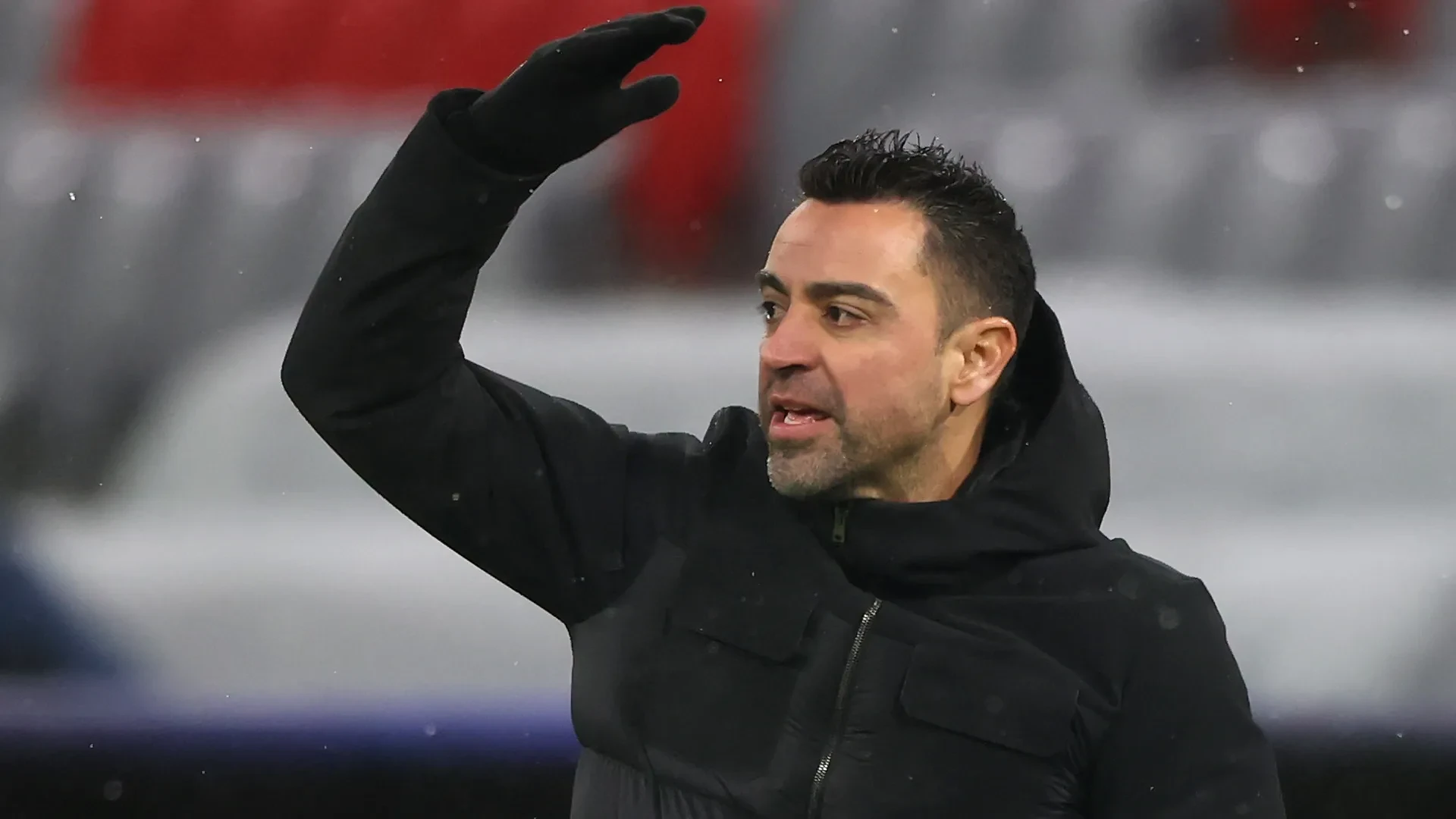
Xavi has openly said he’d love to manage Chelsea, and now the Blues are hunting for someone to replace Liam Rosenior.
Rosenior got the sack last month after a rough patch just three months into his huge contract that was supposed to last six and a half years. Calum McFarlane is filling in as interim head coach until season’s end, but Chelsea are actively looking for a permanent boss for the 2026/27 campaign.
They're considering some big names. Xabi Alonso’s been mentioned; he’s been out of work since leaving Real Madrid in January. Andoni Iraola, who’s about to leave Bournemouth, is also on the shortlist.
Cesc Fabregas has been linked after his strong run at Como, and Frank Lampard’s in the mix too, fresh off winning the Championship with Coventry and securing promotion.
But Xavi really stands out. He’s already made it clear he’s interested in the Chelsea job. Back in 2019, before his Barcelona return, he said, “I don’t hide it; my goal is to come back to Europe and to Barca. It's my challenge, but I’m enjoying this current project. For me, training a team in Barcelona would be a privilege, the biggest privilege.”
He didn’t just talk about Spain either. “Honestly, who doesn’t love the Premier League? The atmosphere, packed stadiums, everyone says it’s incredible,” Xavi admitted. “If I had to pick, I’d go for a big team: City, United, Chelsea, Arsenal, or Tottenham. Klopp, Pochettino, and Unai Emery are doing amazing work there.”
After returning to Barcelona in 2021, Xavi led them to a La Liga title and the Supercopa de España before Hansi Flick took over in 2024. He’s been out of work since.
Now, Chelsea seems seriously interested in the Spaniard. According to The i, the club wants someone who can embed a strong football identity across their teams, something Enzo Maresca started.
Getting Xavi won’t be easy, though. Morocco’s national team reportedly sees him as a top candidate to replace Walid Regragui, and Manchester United is eyeing him too as they weigh options beyond Michael Carrick.
Meanwhile, Xabi Alonso is the bookmakers’ favourite for the Chelsea role, but word is he’d want more control over club decisions if he moves to west London.
COLE PALMER MISSES PENALTY AS CHELSEA SUFFER HISTORIC SIXTH CONSECUTIVE LEAGUE DEFEAT
Chelsea matched a 1912 record with their 6th straight loss, falling 3-1 to Forest as Taiwo Awoniyi scored twice at the Bridge.
_1777913525.webp)
Chelsea hit rock bottom again, losing 3-1 to Nottingham Forest at Stamford Bridge. That’s six Premier League defeats in a row now, something the club hadn’t seen since 1912. Just when you thought the season couldn’t get any worse, Forest showed up with a makeshift lineup and absolutely stunned them. Taiwo Awoniyi scored twice, one barely a minute into the match, and then Igor Jesus put away a penalty, and suddenly Forest was six points clear of the drop zone.
Chelsea hadn’t scored in five games, and it looked like that streak would go on forever. Then, in stoppage time, Joao Pedro finally managed an overhead kick to break the drought. That run was made even more ridiculous earlier when Cole Palmer missed a first-half penalty. Matz Sels, Forest’s backup goalkeeper, saved it.
Honestly, the crowd in the Shed End probably barely recognised their own team. Pereira swapped in seven new outfield players, most of them with almost no league experience; he was clearly thinking about the upcoming Europa League semi-final. But it looked like Chelsea was the stranger out there.
Things only got worse for interim head coach Calum McFarlane. He lost Pedro Neto and Alejandro Garnacho to late injuries, so 18-year-old Jesse Derry had to make his Premier League debut. Then, late in the first half, Derry collided heads with Forest’s Zach Abbott and had to be stretchered off after getting oxygen. It was brutal to watch.
The match itself? Chaos. Less than two minutes in, Chelsea messed up their own throw-in and let Forest stroll through midfield. Dilane Bakwa beat Marc Cucurella with little effort and crossed to Awoniyi, who was completely unmarked and headed it in.
Fifteen minutes later, Chelsea conceded again. Bakwa whipped in another cross; Malo Gusto pulled Awoniyi’s shirt, and VAR handed Forest a penalty. Jesus hammered it right down the middle.
The first half was hopeless, and by the end, serious concern set in after that nasty head clash between Derry and Abbott. Abbott, playing just his second league game, left on his own, but Derry needed serious treatment and was stretchered off.
After a nearly ten-minute stoppage, Palmer’s penalty was stopped by Sels. At halftime, Levi Colwill returned from a major injury he hadn’t played since tearing his ACL in August. He tried to restore order, but nothing changed.
Forest’s third goal came just seven minutes into the second half. Gibbs-White crossed, and Awoniyi tapped in from close range, just managing to stay onside. Chelsea’s keeper, Robert Sanchez, took a knock and left with a bandaged head after colliding with Gibbs-White.
Pedro’s late goal barely counted for anything. The few Chelsea fans left in the stadium cheered, but it was more out of irony than joy.
Must Read