
INSIDE THE "KILLER INSTINCT" DEBATE: WHAT JIMMY CONNORS REALLY MEANT ABOUT ARYNA SABALENKA

Jimmy Connors criticizes Aryna Sabalenka for lacking "killer instinct" after she blew a 3-0 lead against Elena Rybakina in Melbourne.
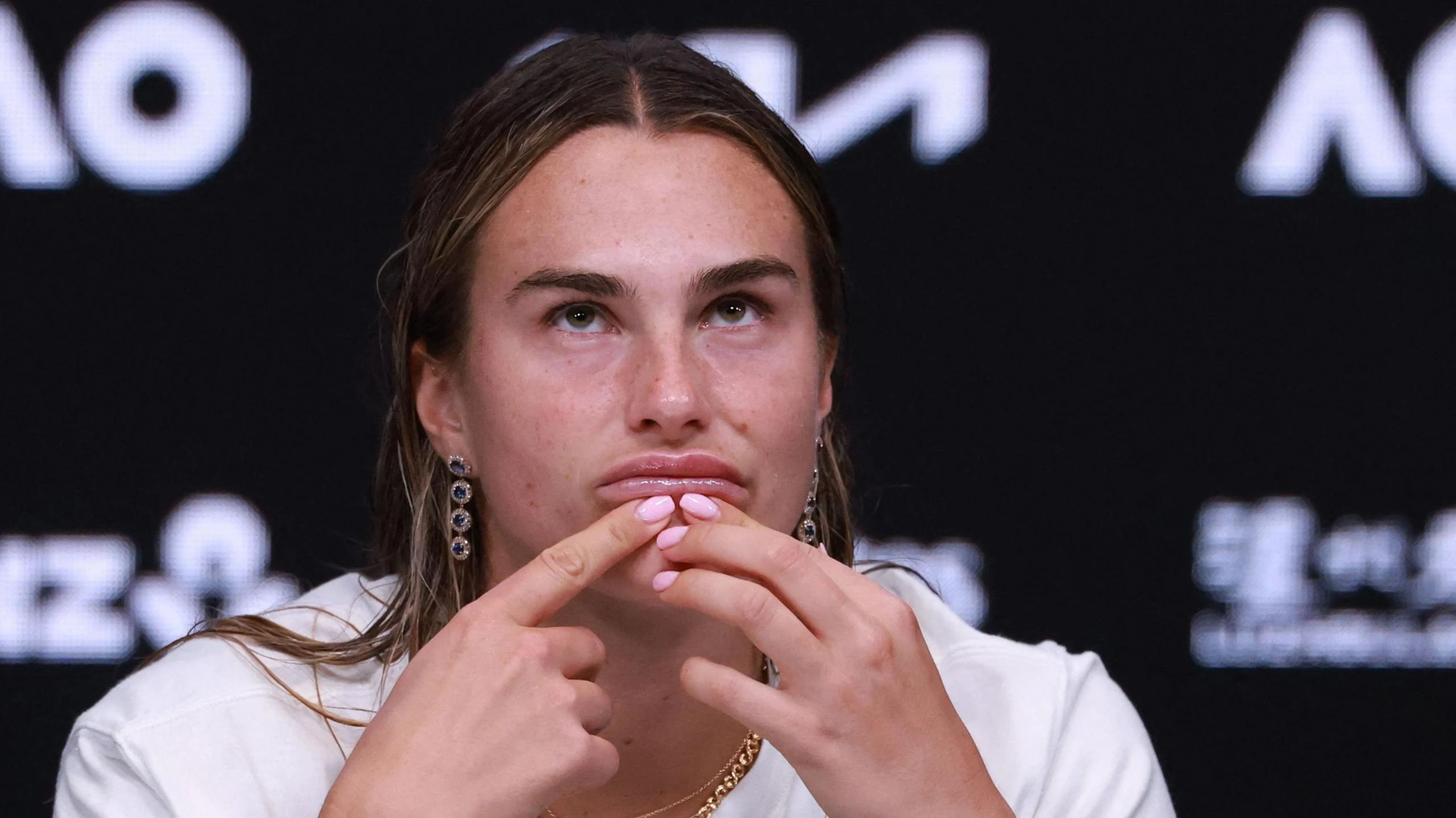
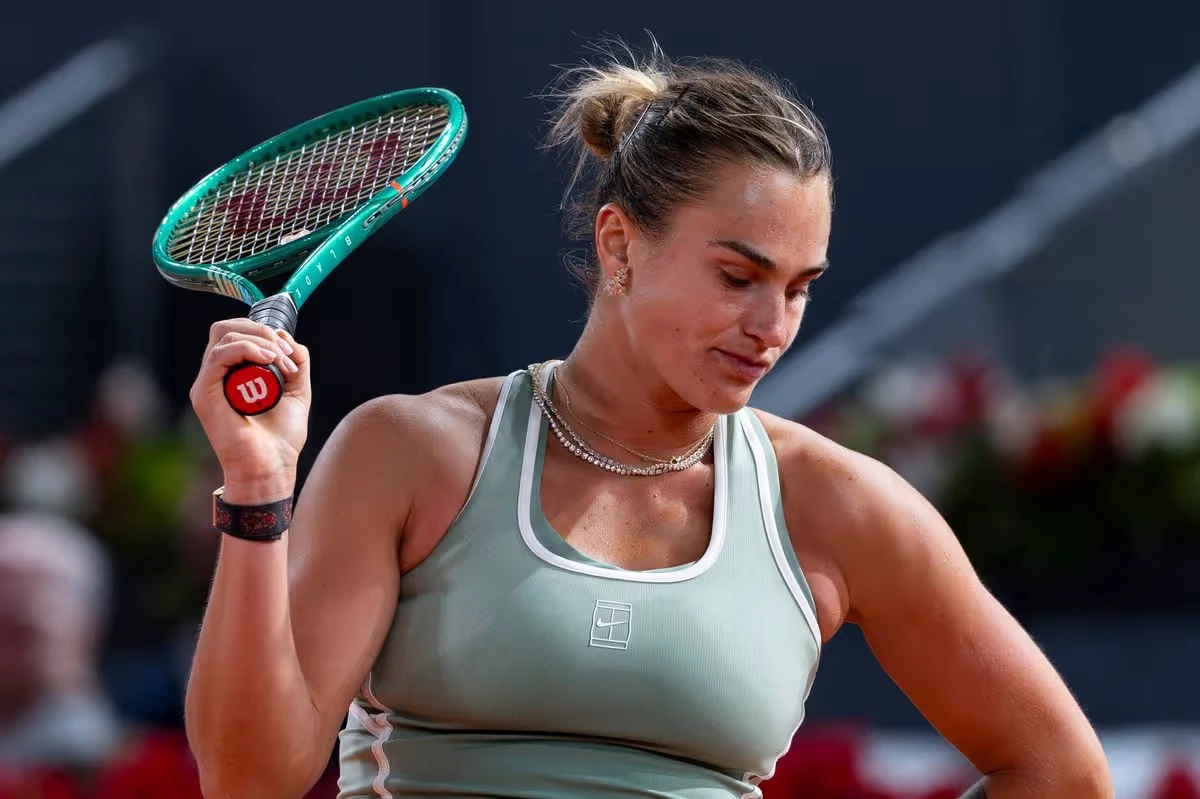
Jimmy Connors didn’t hold back about Aryna Sabalenka’s performance in the Australian Open final—he thinks she just didn’t have that killer instinct when it mattered.
For about a set and a half, Sabalenka had a rough time trying to break Elena Rybakina’s serve. She finally did it in the tenth game of the second set, forced a third set, and quickly jumped out to a 3-0 lead. She even got within two points of going up 4-0. But after that, things completely unravelled. Sabalenka lost the next five games, suddenly trailing 3-5. She managed to hold serve one more time, but Rybakina kept her cool and closed it out, winning 6-4, 4-6, 6-4.
Connors, who’s racked up eight Grand Slam titles himself, didn’t mince words. He said Sabalenka should never have let it slip away.
“Sabalenka—she was up 3-0 in the third, right? I might get a little heat for this, but you need that killer instinct,” Connors said on his podcast. “When you’re in a final, and you’ve got someone on the ropes, you have to stay on top, keep the pressure on, cut down on mistakes, and make your opponent fight for every single point. Don’t hand anything over.”
He pointed out Sabalenka’s history of tough losses, saying, “She’s had some bad luck in finals, and maybe there were a few she should’ve won. But when you’re up 3-0 in the third set of a major, you have to finish the job. She’s way too good not to.”
This latest loss marks Sabalenka’s third Grand Slam final defeat in the past year—she fell short in last year’s Australian Open and French Open finals, though she did win the US Open. That puts her at 4-4 in Grand Slam finals.
On the flip side, Rybakina adds the Australian Open title to her resume. With Wimbledon already under her belt, she now owns two Grand Slam trophies.

WHY DID 22 PLAYERS SUDDENLY WITHDRAW FROM THE 2026 ITALIAN OPEN MID-TOURNAMENT?
Discover the full list of injured stars, including Carlos Alcaraz and Emma Raducanu, forced out of the 2026 Italian Open.
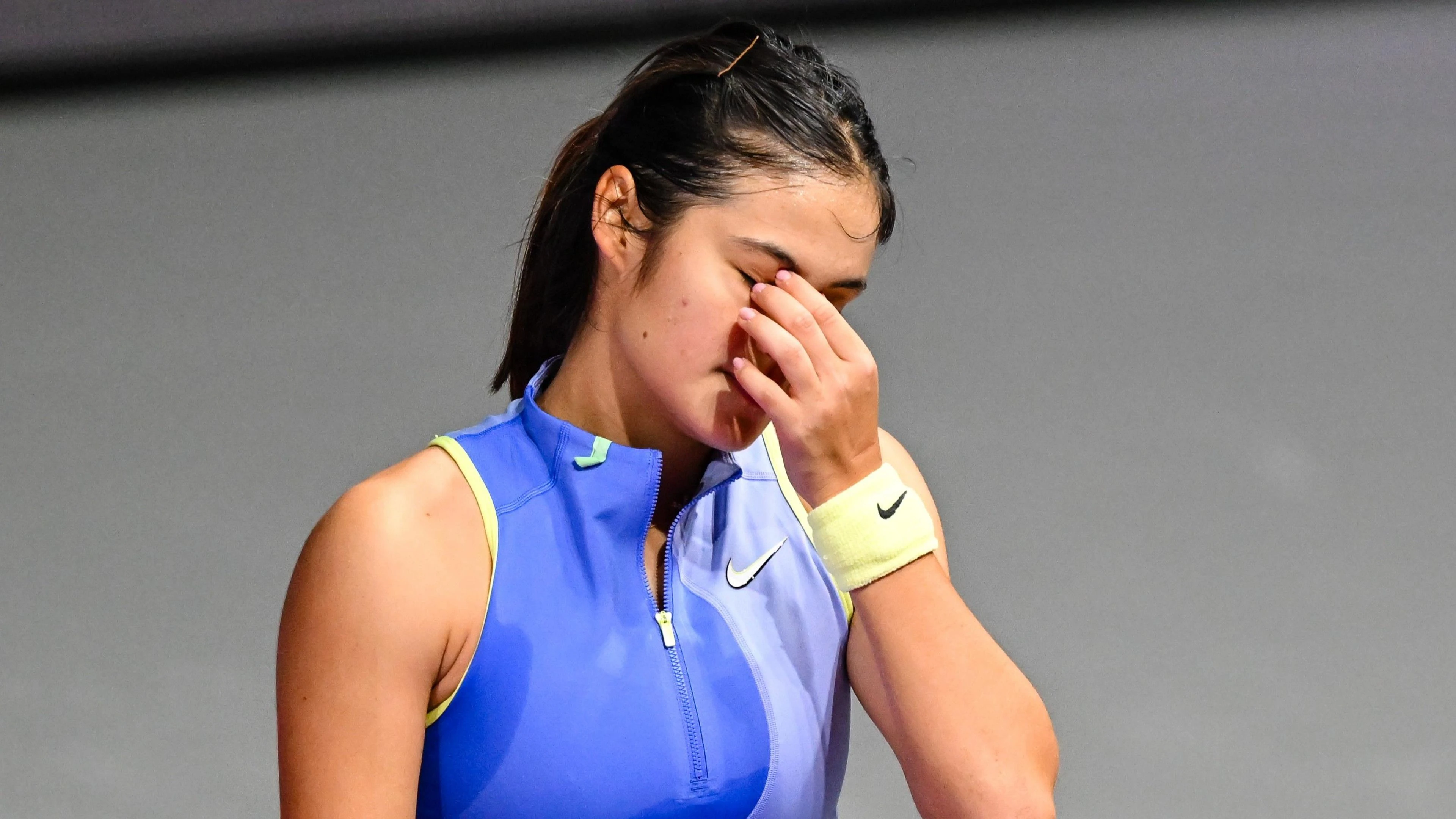
At the 2026 Italian Open, the number of players who have withdrawn or retired during matches has climbed to 22, spanning both the ATP and WTA competitions.
By midweek, 17 players had already exited the combined ATP/WTA 1000 event in Rome. Since then, an additional three men and two women have followed suit.
Before the draws were even announced on Monday, prominent names like Carlos Alcaraz, Taylor Fritz, Jack Draper, and Marketa Vondrousova had pulled out. On the opening day of the women’s tournament, Tuesday, Marta Kostyuk and Emma Raducanu also withdrew.
Amanda Anisimova, ranked sixth in the WTA, stepped back before her first match on Thursday due to a left wrist injury. Meanwhile, Victoria Mboko, who is ninth in the world, withdrew before playing on Friday because of a gastrointestinal illness.
Valentin Vacherot, the 16th-ranked player on the ATP tour, pulled out shortly before his scheduled second-round match against Marin Cilic on Friday, citing a foot injury.
Tomas Machac, holding the 41st spot in the men's rankings, also withdrew ahead of his second-round encounter with Daniil Medvedev after an impactful win against Stefanos Tsitsipas in round one.
Arthur Fils, ranked 17th, retired during his opening match against Andrea Pellegrino on Saturday, trailing 0-4, due to hip pain.
Here’s a rundown of the withdrawals on the ATP side: Carlos Alcaraz (No. 2) was replaced by Sebastian Ofner; Taylor Fritz (No. 7) by Zachary Svajda; Valentin Vacherot (No. 16) by Martin Landaluce; Arthur Rinderknech (No. 24) by Aleksandar Kovacevic; Holger Rune (No. 40) by Damir Dzumhur; Gabriel Diallo (No. 46) by Alexander Blockx; Jack Draper (No. 50) by Hamad Medjedovic; Raphael Collignon (No. 68) by Alexandre Muller; Reilly Opelka (No. 74) by Aleksandar Vukic; Arthur Cazaux (No. 73) by Mattia Bellucci; Kamil Majchrzak (No. 76) by Roberto Bautista Agut; and Eliot Spizzirri (No. 92) by James Duckworth.
On the WTA side, Amanda Anisimova (No. 6) was replaced by Elena Gabriela Ruse from Romania; Victoria Mboko (No. 9) by Nikola Bartunkova; Marta Kostyuk (No. 15) by Ajla Tomljanovic; Emma Raducanu (No. 30) by Lilli Tagger; Marketa Vondrousova (No. 44) by Solana Sierra; Sonay Kartal (No. 56) by Zeynep Sonmez; Varvara Gracheva (No. 61) by Eva Lys; and Veronika Kudermetova (No. 70) by Petra Marcinko.
THE "REST OVER REPS" PLAN: WHY JANNIK SINNER IS SNUBBING HALLE FOR WIMBLEDON
After 23 consecutive wins, World No. 1 Jannik Sinner adjusts his schedule to target a Career Grand Slam and Wimbledon glory.
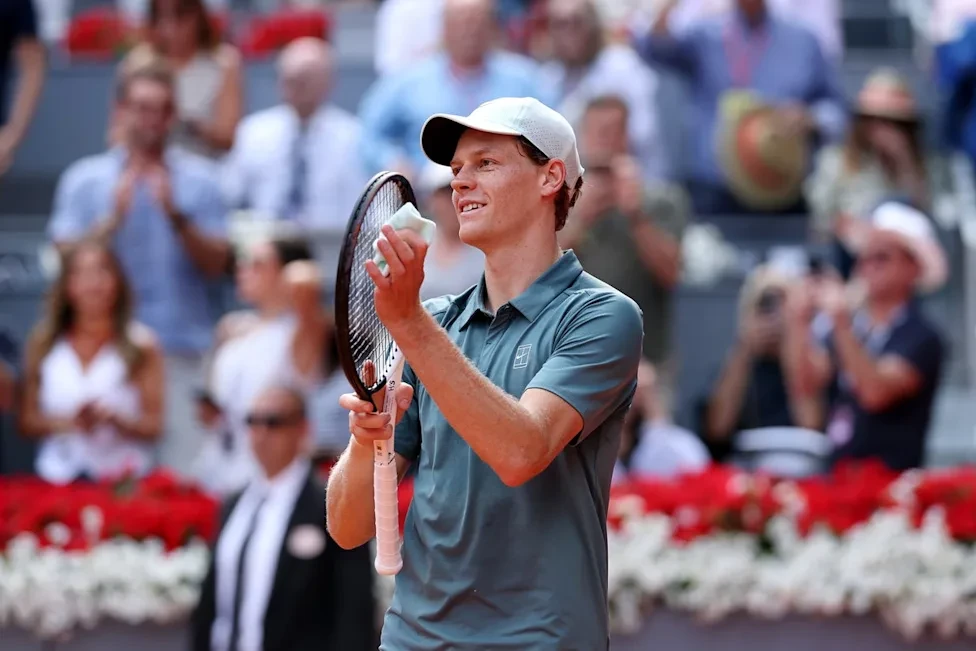
Jannik Sinner has already logged a heavy schedule this year, with deep runs in recent Masters 1000 tournaments keeping him on court against top-tier competition regularly. Given this demanding stretch, he’s taken a fresh look at his calendar and decided to skip the Halle Open, carving out a three-week break between Roland Garros and his Wimbledon title defence.
The 2024 Wimbledon champion won’t be heading to Germany for the grass-court event. That’s notable since Sinner claimed that Wimbledon crown in impressive fashion, overcoming two-time winner Carlos Alcaraz to secure his first major title away from hardcourts. That victory was his latest Grand Slam, following Alcaraz’s wins at the previous two majors.
After Roland Garros, where he seeks to complete the career Grand Slam, Sinner plans to recharge rather than pile on more tournaments before Wimbledon. Without Alcaraz in sight, he’s considered a favourite to maintain his remarkable run. His recent haul includes titles at Indian Wells, Miami, Monte-Carlo, and, most recently, Madrid. Now, he’s setting his sights on Rome, his home turf, where he’s never clinched a win but is eager to continue an ambitious streak of Masters 1000 victories, aiming for a sixth in a row.
Post-Rome, he’ll take a week off before the French Open begins. In total, Sinner has played 23 matches over the last two months without tasting defeat. If he wants to lift the Rome trophy, he’ll need to notch six more wins, then potentially battle through seven more rounds in Paris. This demanding schedule partly explains his choice to forgo Halle.
As for the 2026 Halle Open, fans might be disappointed not to see the world number one, but the field remains strong. Heading the draw is Alexander Zverev, a local favourite who has yet to claim a grass-court title or even one on home soil. With Sinner out, this could be a prime opportunity for Zverev to break through.
The American players are also well represented. The U.S. hasn’t seen a finalist here since Mardy Fish in 2004, but Taylor Fritz and Ben Shelton might be poised to change that, especially Fritz, who has already shown grass prowess with titles in Stuttgart and Eastbourne last year.
Defending champion Alexander Bublik, who ousted Sinner on his way to victory and took down Daniil Medvedev in the final, will be back aiming to repeat. Alongside him, names like Andrey Rublev, Flavio Cobolli, and Frances Tiafoe are also set to compete. The tournament runs from June 15 to 21, promising plenty of exciting tennis.