
TIME RUNNING OUT: EMMA RADUCANU FACES RACE FOR FITNESS AFTER CRASHING OUT OF UNITED CUP

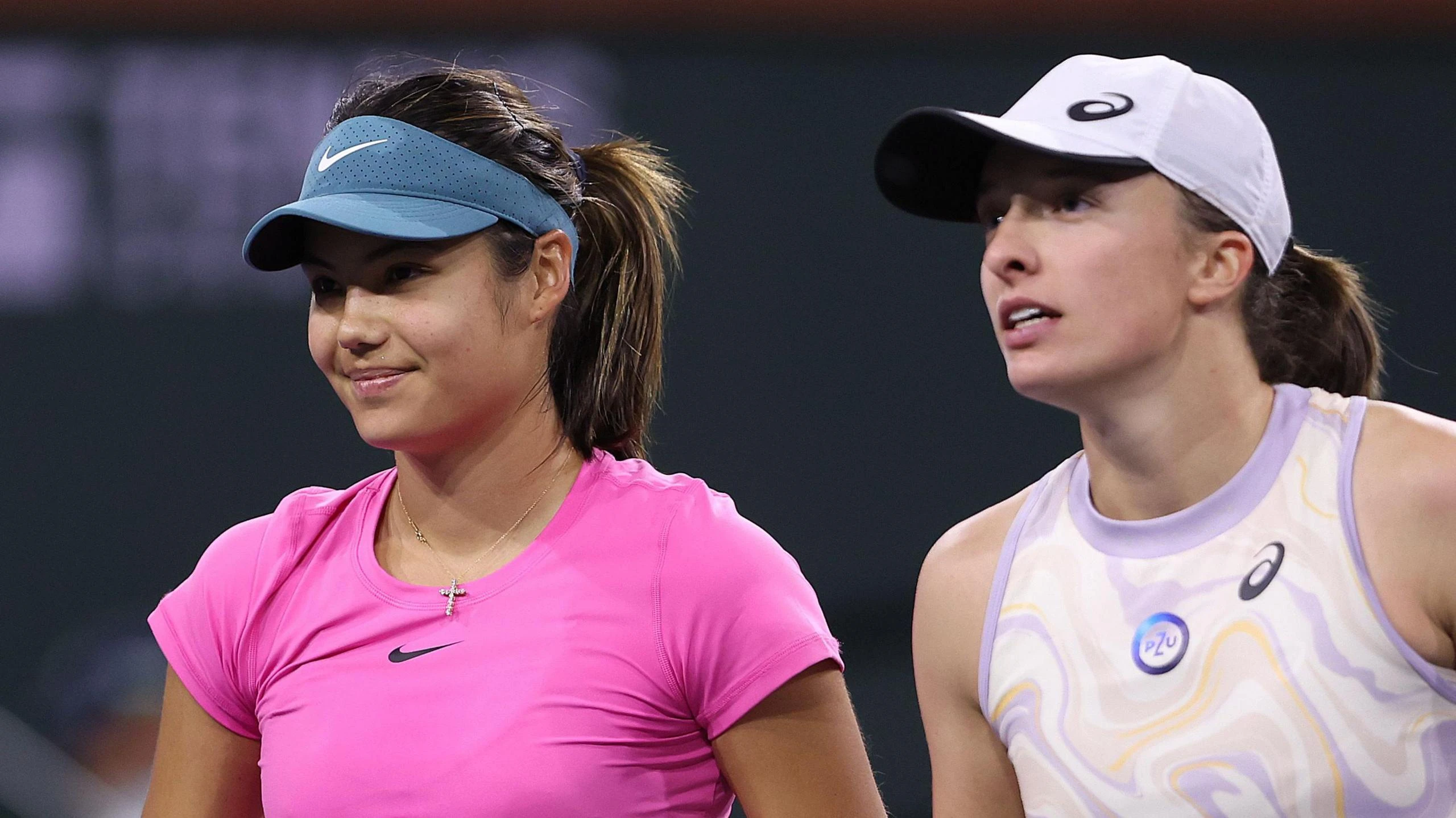
Emma Raducanu loses to Maria Sakkari at the United Cup. Can she fix her forehand and recover from a foot bruise for Melbourne?
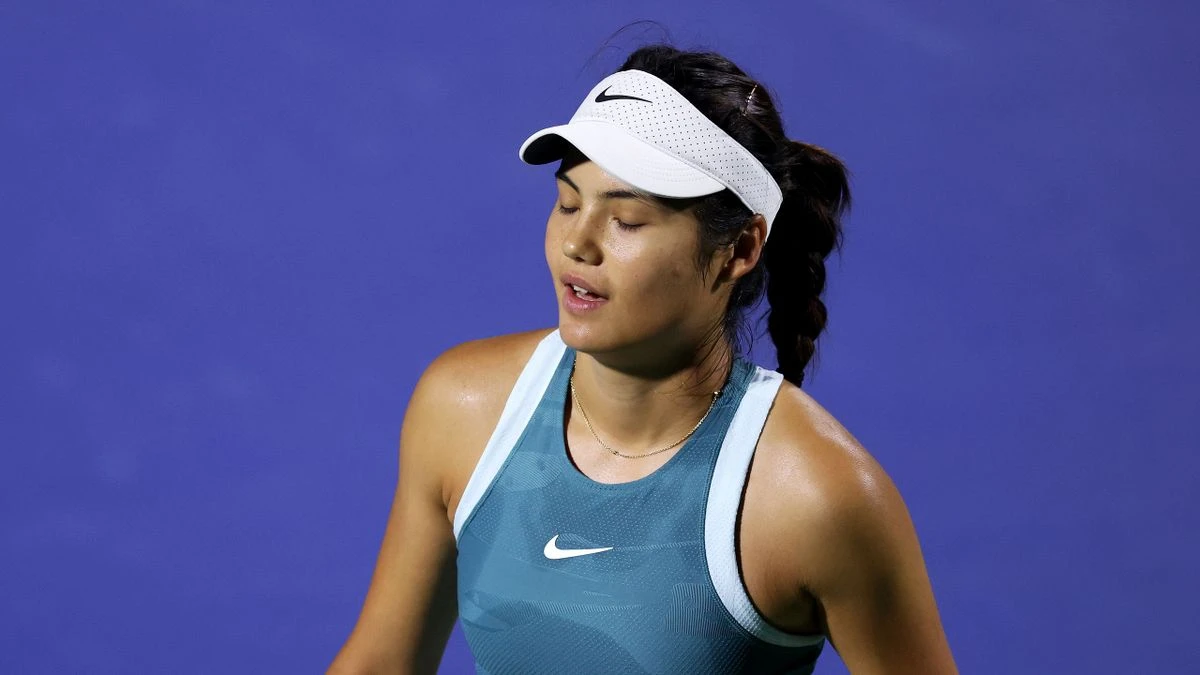
Emma Raducanu will likely be seeded at the next Australian Open, but she needs to work hard on the practice court if she wants to prove she deserves that spot.
The season started with Raducanu losing to Maria Sakkari, even though Raducanu had won all four of their previous matches.
This match was part of the United Cup, a mixed-team event. Great Britain barely beat Japan in their first match, but Raducanu's 6-3, 3-6, 6-1 loss meant a 2-0 defeat to Greece, knocking them out of the tournament.
There are reasons to cut her some slack. This is Raducanu’s fifth time at the Australian Open, but she's never arrived with a good amount of training behind her.
In 2022, she had COVID before the event. In 2023, she hurt her ankle in Auckland. In 2024, she was rusty after a nine-month break because of wrist surgery. Last year, she was dealing with a bad back spasm that made her miss three weeks of off-season practice.
This time, Raducanu spent part of her winter break in Barcelona with her new coach, Francis Roig. But she couldn't train as hard as she wanted because of a foot bruise that started before Christmas and kept her out of the match against Japan.
She and Roig have also been changing her forehand. The swing is now a bit higher and longer. We'll have to see if that gives her more power on that side, which has always been her weaker one.
Since she became famous in New York five years ago, Raducanu has been trying to fix her forehand without feeling completely happy with it. She hasn't been able to recapture the amazing timing and flow she had during her US Open win in 2021. But back then, she wasn't feeling any pressure or expectations.
In the first set of her recent match, Raducanu looked unsure and weak, like someone testing out new techniques. She was just hitting the ball back, letting Sakkari control the game with her strong shots. Sakkari had beaten Naomi Osaka.
If the whole match had been like that, it would be worrying. But Raducanu played with more power at the end of the second set. She made Sakkari work harder for a while. Her coach will probably just tell her to play more like that and less like she did in the first set.
After missing a couple of break points in the third game, Raducanu's play dropped off again. She seemed to run out of energy. She looked like she wanted to finish the match as fast as possible.
While some might see this as an excuse, it makes sense. The United Cup wasn't Raducanu's main goal for her trip to Australia. She went to Perth to get ready and got a good three-set workout. She usually plays her best at the bigger events.
Last year's Australian Open shows this. She should have lost in the first round because of back spasms.
Despite her rough start, she still beat Ekaterina Alexandrova and Amanda Anisimova before losing to Iga Swiatek. Raducanu often had tough opponents last season: all three of these players ended 2025 in the world’s top 10.
In the first match of Great Britain’s match with Greece, Billy Harris played well against Stefanos Tsitsipas. He almost won what would have been the biggest win of his career, but lost in a tie-break.
Meanwhile, Fran Jones won her match against Emma Navarro at the event in Auckland. It was only her second win against a top-50 player.
Finally, there's some good news for Jack Draper, who broke into the top five last season. He was named to the British Davis Cup team to face Norway next month.
Jacob Fearnley and Cameron Norrie will also be there, so Draper can decide later if he's ready to play his first competitive match since the US Open in August.
Draper has had a bone bruise in his elbow for over six months and recently withdrew from the Australian Open.

WHY DID 22 PLAYERS SUDDENLY WITHDRAW FROM THE 2026 ITALIAN OPEN MID-TOURNAMENT?
Discover the full list of injured stars, including Carlos Alcaraz and Emma Raducanu, forced out of the 2026 Italian Open.
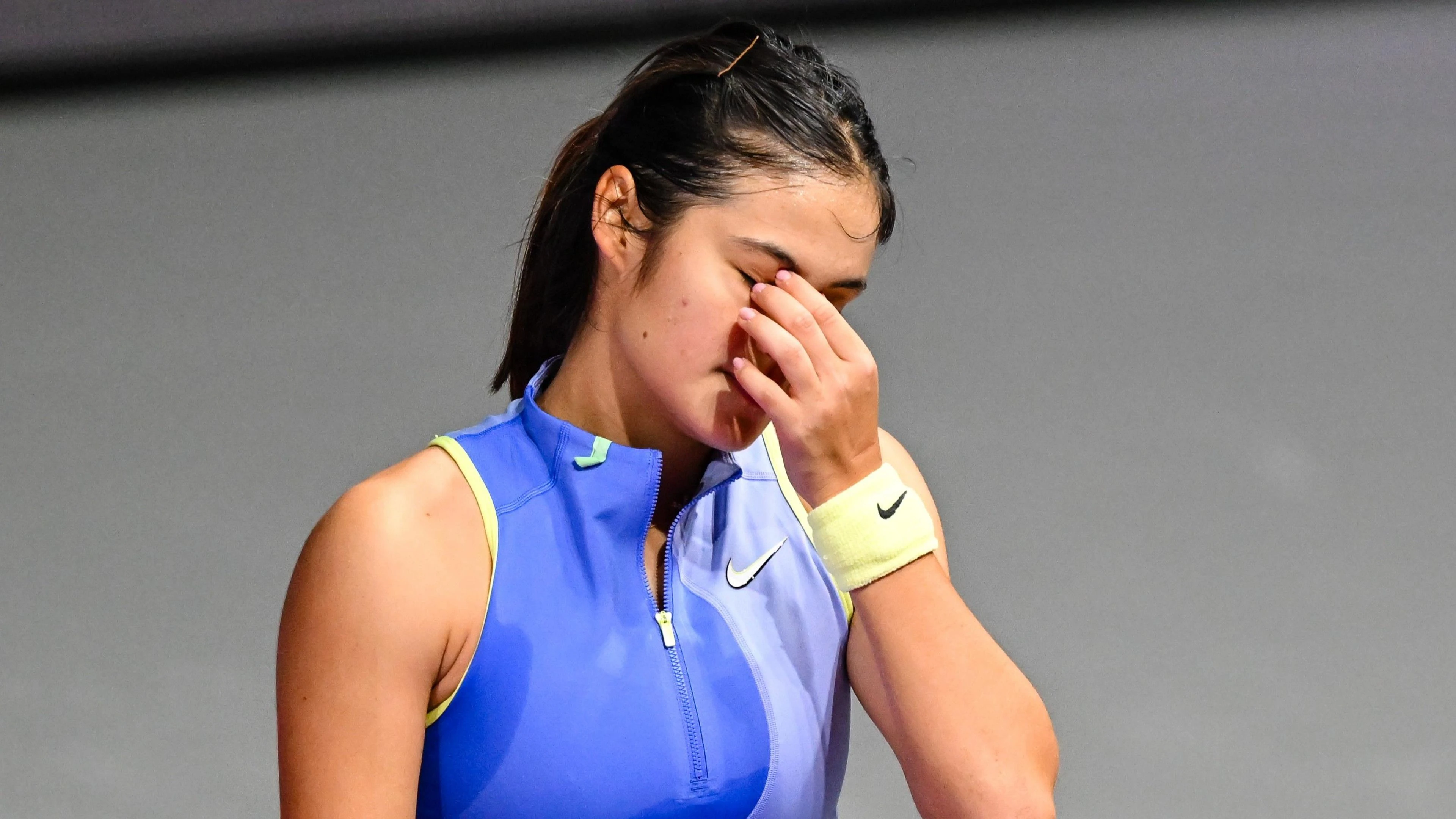
At the 2026 Italian Open, the number of players who have withdrawn or retired during matches has climbed to 22, spanning both the ATP and WTA competitions.
By midweek, 17 players had already exited the combined ATP/WTA 1000 event in Rome. Since then, an additional three men and two women have followed suit.
Before the draws were even announced on Monday, prominent names like Carlos Alcaraz, Taylor Fritz, Jack Draper, and Marketa Vondrousova had pulled out. On the opening day of the women’s tournament, Tuesday, Marta Kostyuk and Emma Raducanu also withdrew.
Amanda Anisimova, ranked sixth in the WTA, stepped back before her first match on Thursday due to a left wrist injury. Meanwhile, Victoria Mboko, who is ninth in the world, withdrew before playing on Friday because of a gastrointestinal illness.
Valentin Vacherot, the 16th-ranked player on the ATP tour, pulled out shortly before his scheduled second-round match against Marin Cilic on Friday, citing a foot injury.
Tomas Machac, holding the 41st spot in the men's rankings, also withdrew ahead of his second-round encounter with Daniil Medvedev after an impactful win against Stefanos Tsitsipas in round one.
Arthur Fils, ranked 17th, retired during his opening match against Andrea Pellegrino on Saturday, trailing 0-4, due to hip pain.
Here’s a rundown of the withdrawals on the ATP side: Carlos Alcaraz (No. 2) was replaced by Sebastian Ofner; Taylor Fritz (No. 7) by Zachary Svajda; Valentin Vacherot (No. 16) by Martin Landaluce; Arthur Rinderknech (No. 24) by Aleksandar Kovacevic; Holger Rune (No. 40) by Damir Dzumhur; Gabriel Diallo (No. 46) by Alexander Blockx; Jack Draper (No. 50) by Hamad Medjedovic; Raphael Collignon (No. 68) by Alexandre Muller; Reilly Opelka (No. 74) by Aleksandar Vukic; Arthur Cazaux (No. 73) by Mattia Bellucci; Kamil Majchrzak (No. 76) by Roberto Bautista Agut; and Eliot Spizzirri (No. 92) by James Duckworth.
On the WTA side, Amanda Anisimova (No. 6) was replaced by Elena Gabriela Ruse from Romania; Victoria Mboko (No. 9) by Nikola Bartunkova; Marta Kostyuk (No. 15) by Ajla Tomljanovic; Emma Raducanu (No. 30) by Lilli Tagger; Marketa Vondrousova (No. 44) by Solana Sierra; Sonay Kartal (No. 56) by Zeynep Sonmez; Varvara Gracheva (No. 61) by Eva Lys; and Veronika Kudermetova (No. 70) by Petra Marcinko.
THE "REST OVER REPS" PLAN: WHY JANNIK SINNER IS SNUBBING HALLE FOR WIMBLEDON
After 23 consecutive wins, World No. 1 Jannik Sinner adjusts his schedule to target a Career Grand Slam and Wimbledon glory.
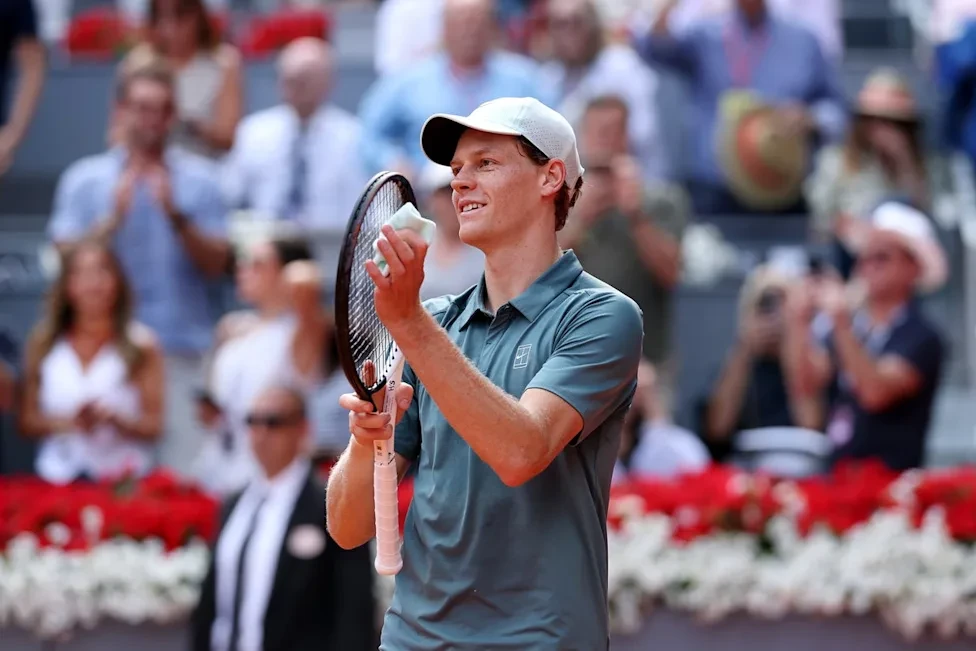
Jannik Sinner has already logged a heavy schedule this year, with deep runs in recent Masters 1000 tournaments keeping him on court against top-tier competition regularly. Given this demanding stretch, he’s taken a fresh look at his calendar and decided to skip the Halle Open, carving out a three-week break between Roland Garros and his Wimbledon title defence.
The 2024 Wimbledon champion won’t be heading to Germany for the grass-court event. That’s notable since Sinner claimed that Wimbledon crown in impressive fashion, overcoming two-time winner Carlos Alcaraz to secure his first major title away from hardcourts. That victory was his latest Grand Slam, following Alcaraz’s wins at the previous two majors.
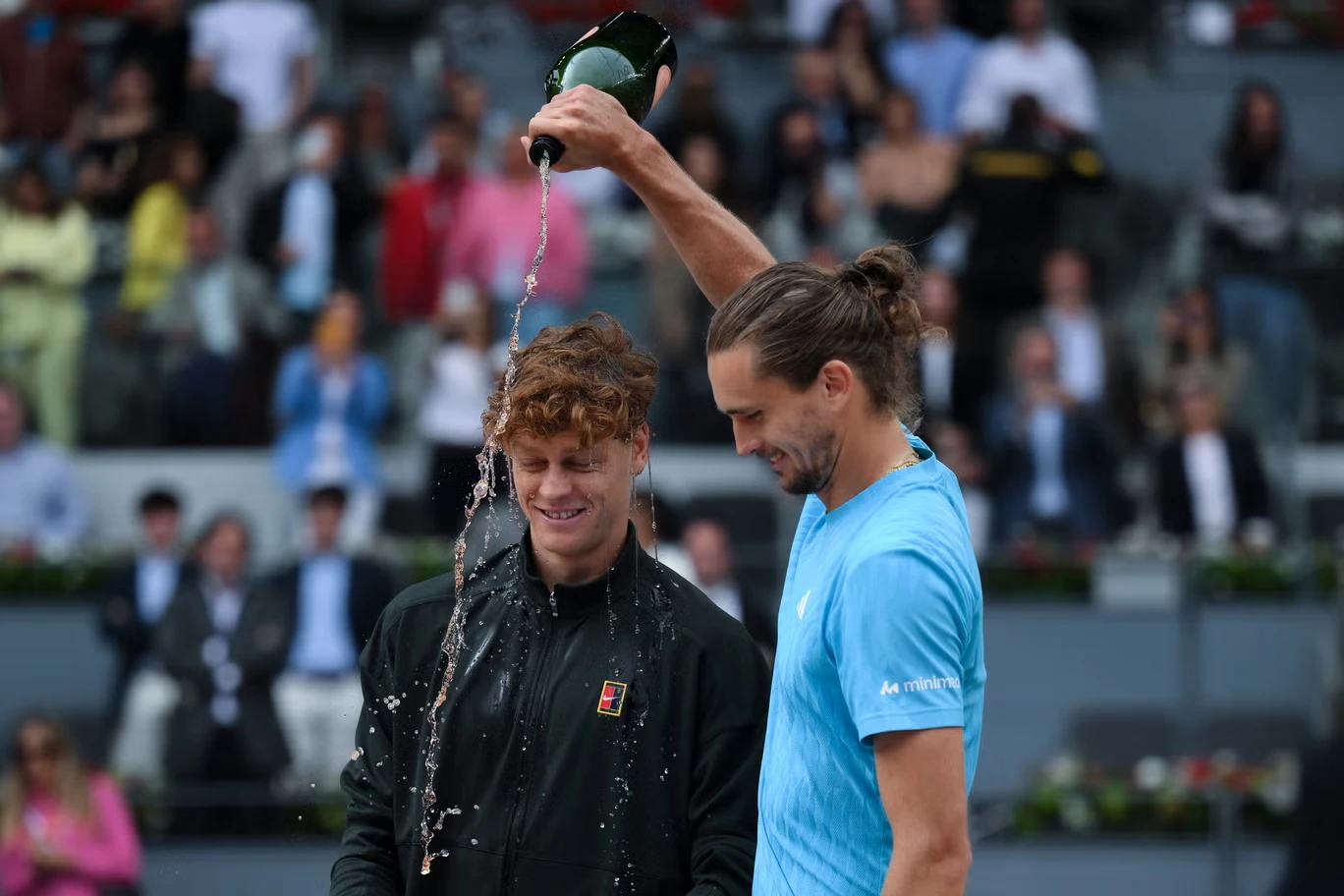
After Roland Garros, where he seeks to complete the career Grand Slam, Sinner plans to recharge rather than pile on more tournaments before Wimbledon. Without Alcaraz in sight, he’s considered a favourite to maintain his remarkable run. His recent haul includes titles at Indian Wells, Miami, Monte-Carlo, and, most recently, Madrid. Now, he’s setting his sights on Rome, his home turf, where he’s never clinched a win but is eager to continue an ambitious streak of Masters 1000 victories, aiming for a sixth in a row.
Post-Rome, he’ll take a week off before the French Open begins. In total, Sinner has played 23 matches over the last two months without tasting defeat. If he wants to lift the Rome trophy, he’ll need to notch six more wins, then potentially battle through seven more rounds in Paris. This demanding schedule partly explains his choice to forgo Halle.
As for the 2026 Halle Open, fans might be disappointed not to see the world number one, but the field remains strong. Heading the draw is Alexander Zverev, a local favourite who has yet to claim a grass-court title or even one on home soil. With Sinner out, this could be a prime opportunity for Zverev to break through.
The American players are also well represented. The U.S. hasn’t seen a finalist here since Mardy Fish in 2004, but Taylor Fritz and Ben Shelton might be poised to change that, especially Fritz, who has already shown grass prowess with titles in Stuttgart and Eastbourne last year.
Defending champion Alexander Bublik, who ousted Sinner on his way to victory and took down Daniil Medvedev in the final, will be back aiming to repeat. Alongside him, names like Andrey Rublev, Flavio Cobolli, and Frances Tiafoe are also set to compete. The tournament runs from June 15 to 21, promising plenty of exciting tennis.