
FRED VASSEUR INSISTS FERRARI 2025 IS NOT A DISASTER SEASON

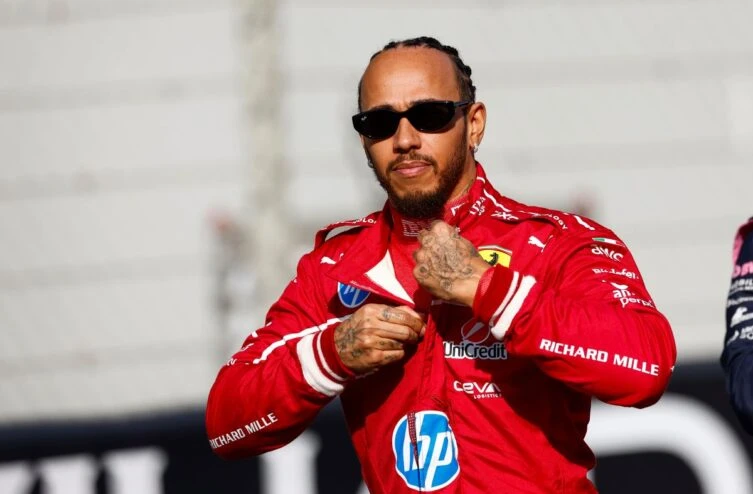
Ferrari team principal Fred Vasseur insists their 2025 F1 season is "not a failure" and denies the team needs major changes despite poor results.

Ferrari team boss Fred Vasseur doesn't agree with calling the team’s 2025 Formula 1 season a complete disaster that needs big changes.
With only two races left, the Italian team is likely to finish outside the top three in the Constructors’ Championship and without any race wins.
Ferrari lost second place to Mercedes earlier this month at Interlagos. In that race, neither of their drivers finished.
In Las Vegas, Ferrari had another bad weekend, losing more ground to Mercedes and falling behind Red Bull.
Going into this weekend's race in Qatar, Ferrari is 13 points behind Red Bull, while Mercedes is 40 points ahead in the fight for second place.
Even though Vasseur knows recent weeks have hurt the team’s goals, he doesn't think it's right to call Ferrari’s 2025 season a catastrophe.
“We didn’t score points last weekend, but two weeks ago we were second in the championship,” he told reporters.
“It’s not that it was a complete disaster. Disaster isn’t the right word. The tough part is that we only scored six or seven points in the last two weekends.”
“Before this, we were ahead of Mercedes and Red Bull in the championship. It’s not that dramatic.”
Vasseur gets why Leclerc and Hamilton are frustrated
Charles Leclerc said he won’t miss driving Ferrari’s problematic SF-25 car, and Lewis Hamilton called this season his worst ever.
“I understand the drivers want more,” Vasseur said.
“I’m also tough in the debriefing on Monday mornings at the factory. But it’s in our DNA to always want more.
“Max Verstappen will also try to get more from his team. This is normal in the paddock; it’s not a drama.”
Ferrari hopes to take advantage of new rules in 2026 to end their long wait for a title, but Vasseur said the team doesn't need major changes.
“Everyone wants to do a better job; it’s part of racing. If you look at the grid, everyone except maybe Max wants to do better.
“This goes for us, the team, Charles, and Lewis. We all want more.
“To get more, we need to work harder, come back next week with more focus, avoid mistakes, and improve the car.
“But we don't need to change anything drastically.”

SERGIO PEREZ BREAKS SILENCE ON CADILLAC’S FIRST FOUR RACES OF 2026 F1 SEASON
Discover why Sergio Perez is confident in Cadillac’s 2026 path despite urgent needs for better pace and reliability fixes.
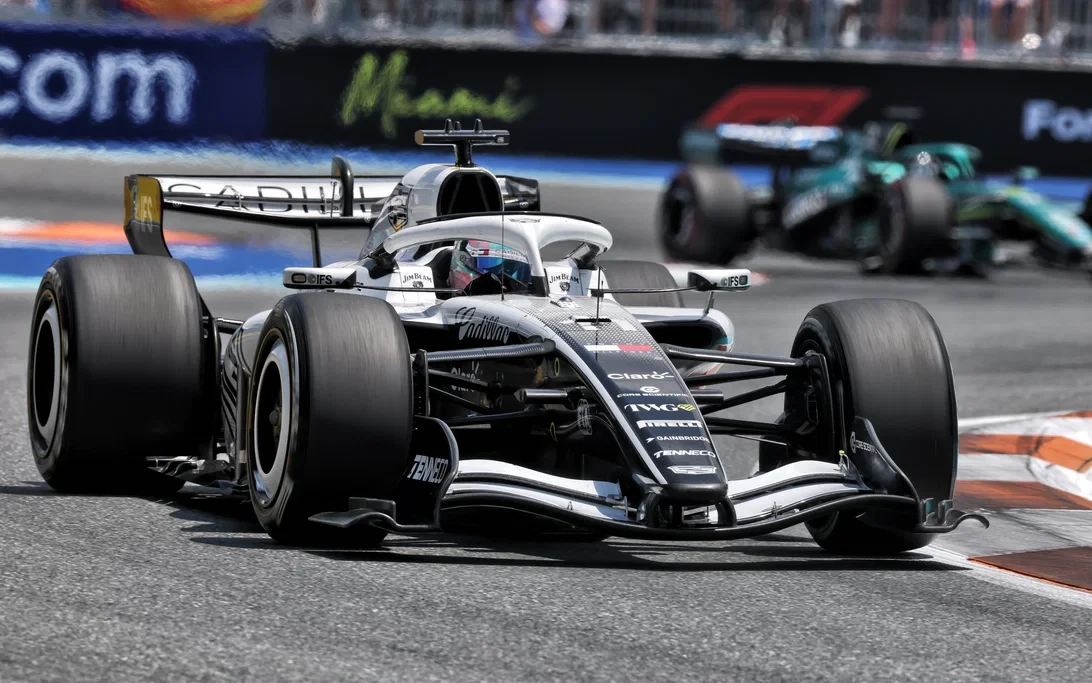
Sergio Perez didn’t waste time sharing his thoughts on Cadillac after the first four races of the 2026 Formula 1 season.
Cadillac shows up in 2026 as F1’s newest team, but honestly, not a lot of people expected fireworks right away. With veterans like Valtteri Bottas and Perez behind the wheel, the team’s start has been a mix, some moments full of promise, others derailed by reliability issues.
Still, Cadillac isn’t just stuck at the back. Lately, they’ve been right there fighting with Aston Martin and even managed to split them in Miami, which turned a few heads.
Perez knows the team is at risk of falling behind in this crazy-fast development race, though. “We still have work to do, but I’m confident we’re on the right path,” he told reporters, including Motorsport Week.
He added, “Sometimes, once tyre degradation sets in, we can hang with the midfield, but they always seem to find another gear. There’s a long way to go this season, but we’re in a rush to find more pace. We know Aston will get stronger, and we don’t want to be left behind.”
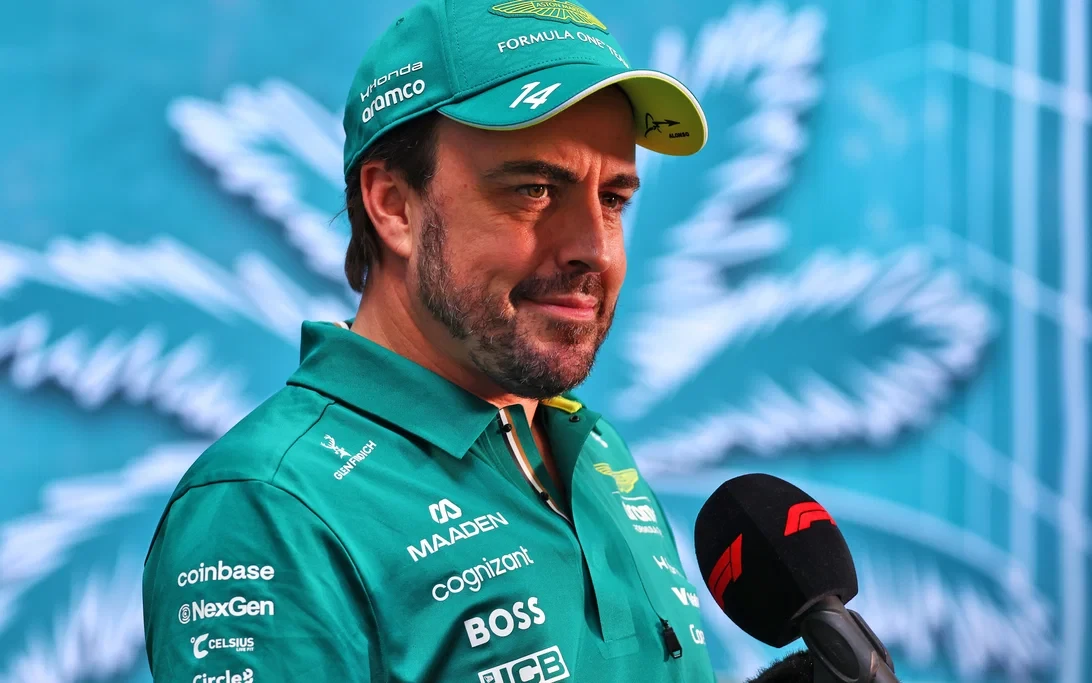
Racing Aston Martin has actually brought Perez some enjoyment. He especially likes battling Fernando Alonso, calling those fights fair and satisfying. Still, he pointed out a weak spot: “We’re having fun with them. Racing Fernando is always great because he’s so fair. But we struggled with tyre degradation; we burnt through them too quickly. We picked the hard compound, but honestly, looking back, I should’ve gone with the soft.”
He said there’s plenty to analyse, and really, the key is getting a better grip on their car as they look ahead to Canada. “We don’t have much time, but in the short term, we need to fix the degradation. We have some ideas, but putting them together is our biggest challenge in the next few weeks.”
Cadillac may be the new kid on the block and still finding its feet, but it’s already starting to make an impact. The road out of the lower ranks won’t be easy, but they’re moving in the right direction.
HOW KIMI ANTONELLI’S THREE-RACE WIN STREAK IS REDEFINING THE MERCEDES TEAM HIERARCHY
With a 43-second gap in Miami, Antonelli proves he’s ready to lead the World Championship. Can Russell bounce back in Canada?
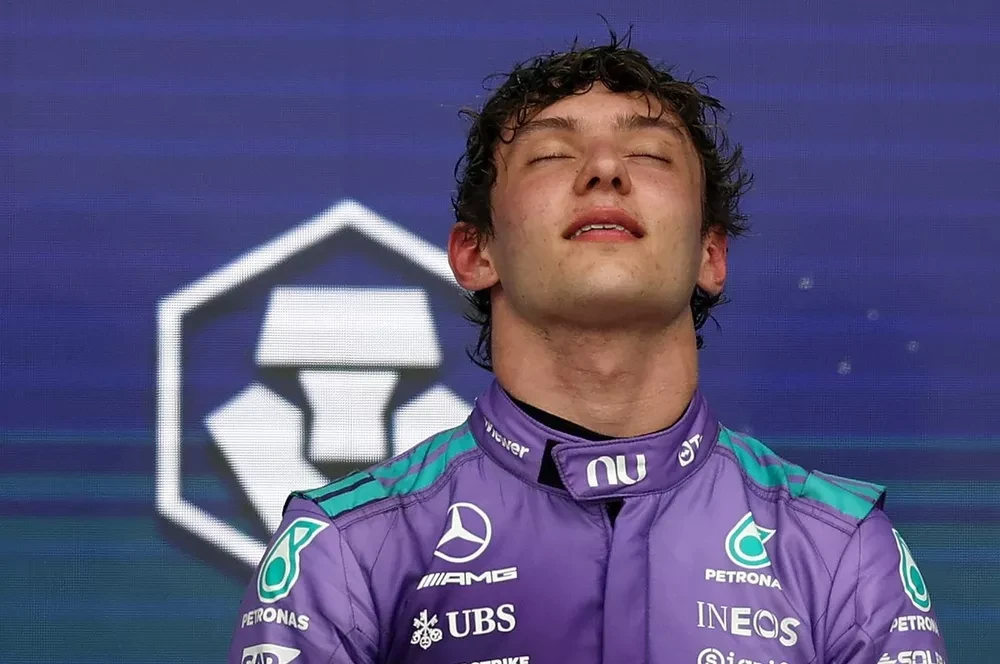
David Coulthard, the former Formula 1 driver, recently pointed out that Kimi Antonelli might be on track to overtake George Russell as Mercedes’ team leader.
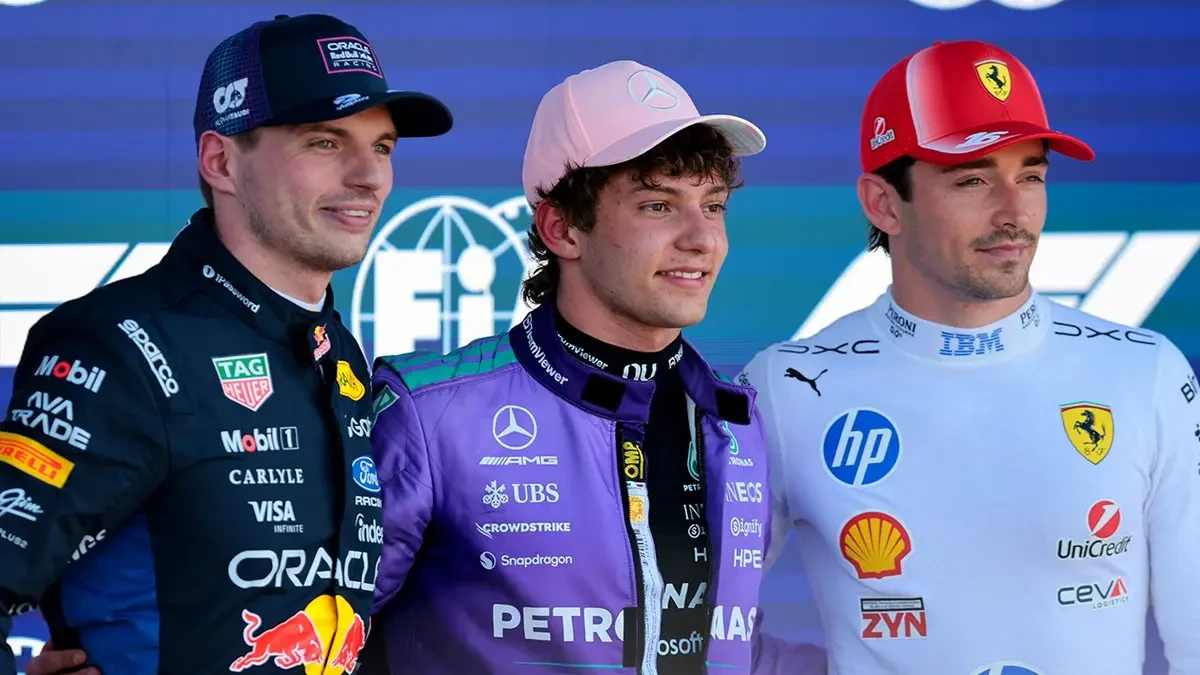
Antonelli has been on an impressive run, clinching victories in the last three races and pulling ahead by 20 points over his main competitor and teammate, Russell.
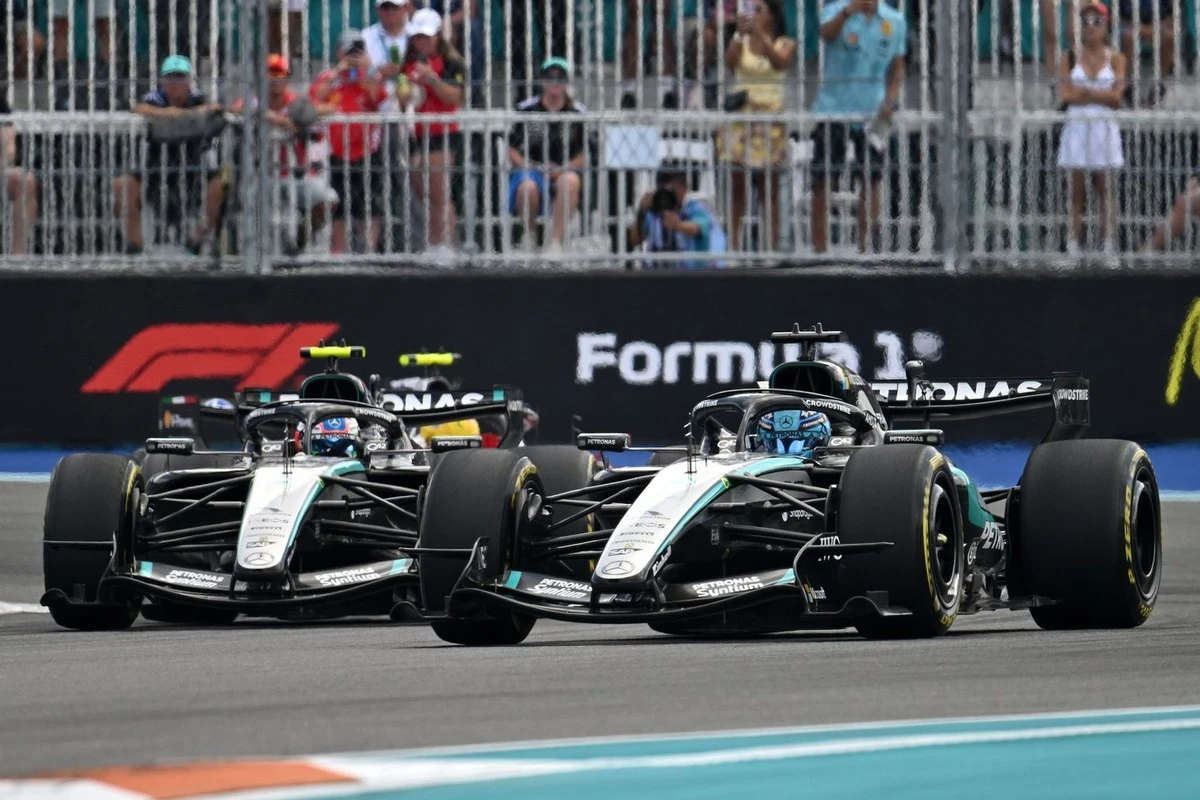
At the Miami race, the young Italian once again outperformed his more seasoned teammate, with Russell managing only fourth place, trailing by 43 seconds.
Coulthard acknowledged Antonelli’s rapid rise in 2026, which is just his second season in F1. He highlighted Antonelli’s strengths and suggested that the Italian is, in many ways, now leading the Mercedes team.
“He’s come of age,” Coulthard said during the Up To Speed podcast.
Despite being relatively new, Antonelli has shown resilience, dealing not only with the pressure from a driver like Lando ready to strike but also with technical glitches like inconsistent paddle shifts. Coulthard mentioned how Antonelli kept his cool even when his engineer, Bono, was trying to help troubleshoot the issue in a tense moment.
“I think he’s earned the right to lead the World Championship,” Coulthard added, noting that this situation probably feels uncomfortable for George. Still, the expectations now lean heavily toward Antonelli leading the team, especially based on recent results.
Coulthard also pointed out that Russell has the experience and skill to reclaim his position as the team’s lead driver, but emphasised that only one can come out on top; someone must finish first and the other second.
The rivalry between them might start opening doors for other teams. Coulthard noted that improvements from McLaren, Ferrari, and Red Bull were already noticeable, especially in Miami.
“Winning in the best car isn’t always straightforward. Many have tried and struggled,” he said.
For Russell, who is feeling the weight of this momentum shift, the upcoming race in Canada will be crucial if he wants to close the gap and halt Antonelli’s winning streak.