
£38M TRANSFER LOOMS AS MAN UTD PREPARE LOANEE EXIT

Manchester United have reportedly greenlit the permanent sale of Rasmus Hojlund to Napoli in January. The Danish striker, currently on loan, has rediscovered his form in Italy and has no desire to return.
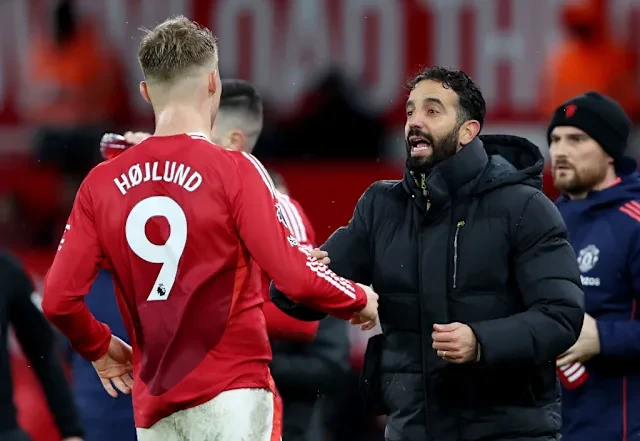
In January, which player is United hoping to sell?

INSIDE SENNE LAMMENS’ BLUEPRINT FOR MAN UNITED’S MASSIVE 2026 SUMMER TRANSFER OVERHAUL
"We want to be stronger." Read Senne Lammens' honest assessment of Manchester United’s squad needs after the Sunderland draw.
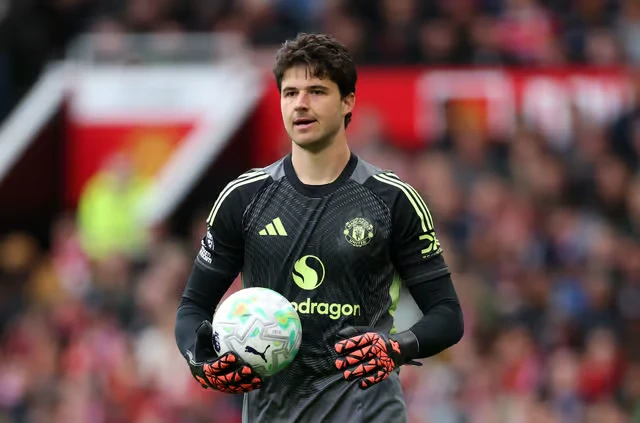
Senne Lammens isn’t hiding from the truth; he knows Manchester United have to beef up their squad this summer if they want to handle both the Premier League and Champions League next season.
Saturday’s 0-0 draw at Sunderland showed just how thin United are right now. Casemiro, Benjamin Sesko, and Manuel Ugarte all sat out with injuries, and you could feel their absence on the pitch.
It’s been a weird season for United. They played just 40 games, the fewest in over a century, because they were eliminated from Europe and both domestic cups so early. But now they’re back in the Champions League, and Lammens realises the team has to get deeper if they want to compete seriously.
“Yeah, definitely. This league’s tough, and next year’s schedule is going to be insane,” the goalkeeper said. “You want to have enough reliable players, people who can step up whenever they’re needed.”
Lammens made it clear that United must invest in new signings during the summer window. He’s not saying the squad lacks quality now, but he knows things will get tougher. “Honestly, I think we’ve got a lot of talent this year,” he said. “But next season’s going to ask a lot more from us, and you need to be ready for injuries and everything that can come with a busy year like today, when we missed a few regular starters. Being able to call on others to jump in really matters.”
He wants a strong, well-rounded group ready for the challenges ahead. “We’re already building towards that, but we want to be even stronger for next season.”
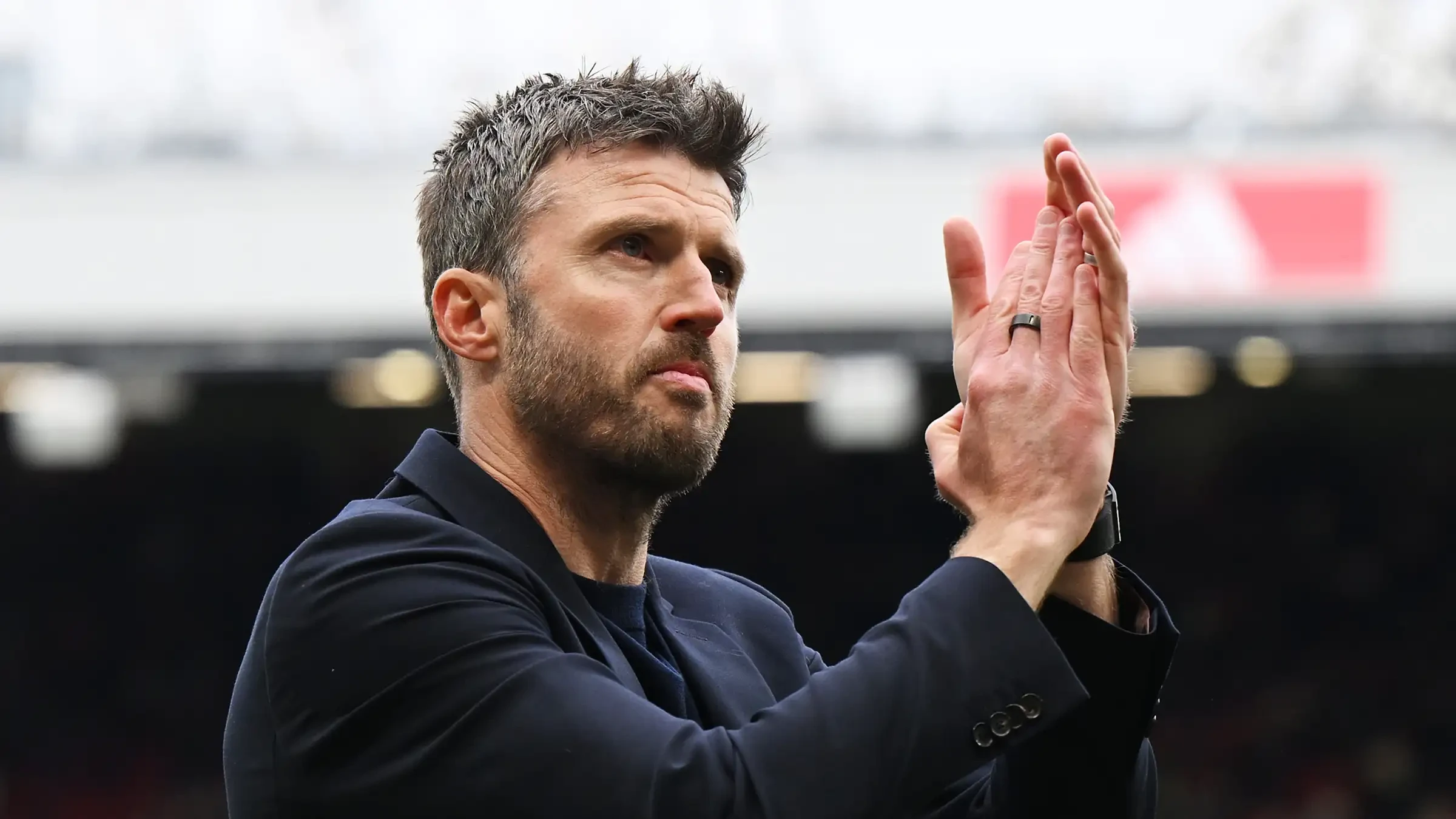
Some people wondered if United relaxed after they clinched their Champions League spot by beating Liverpool last weekend. Lammens brushed that idea off. He said head coach Michael Carrick was all over them, reminding everyone to finish the season on a high.
“I don’t think so, not for me at least,” Lammens said. “The manager made it clear that these last games are important. We want as many points as we can get and to finish as high as possible. How you end the season carries over. It’s your launchpad for next year. We want to keep the momentum going.”
He didn’t want to hear any excuses. “Honestly, if we’d played at Sunderland a few weeks ago before securing the Champions League, it still would’ve been tough. That wasn’t in our minds.”
Carrick echoed those thoughts after the match. He sounded almost annoyed when asked if the players were mentally on holiday already.
“I get almost offended by that,” he said. “The way the players prepared and battled out there, it’s clear they’re still focused. If we’d been off it, we’d have lost. Sunderland pushed us hard at times.”
He thinks the pride and responsibility of playing for Manchester United is all the motivation the team needs. “That’s what keeps us sharp, knowing we represent something big. That doesn’t guarantee we’ll always play brilliantly, but it’s enough to fight through tough days.”
MANCHESTER UNITED HOLD ADVANCED NEGOTIATIONS FOR RECORD-BREAKING £18M BETWAY SPONSORSHIP

Despite the upcoming front-of-shirt gambling ban, explore how Man United’s Betway deal targets training apparel at Carrington.
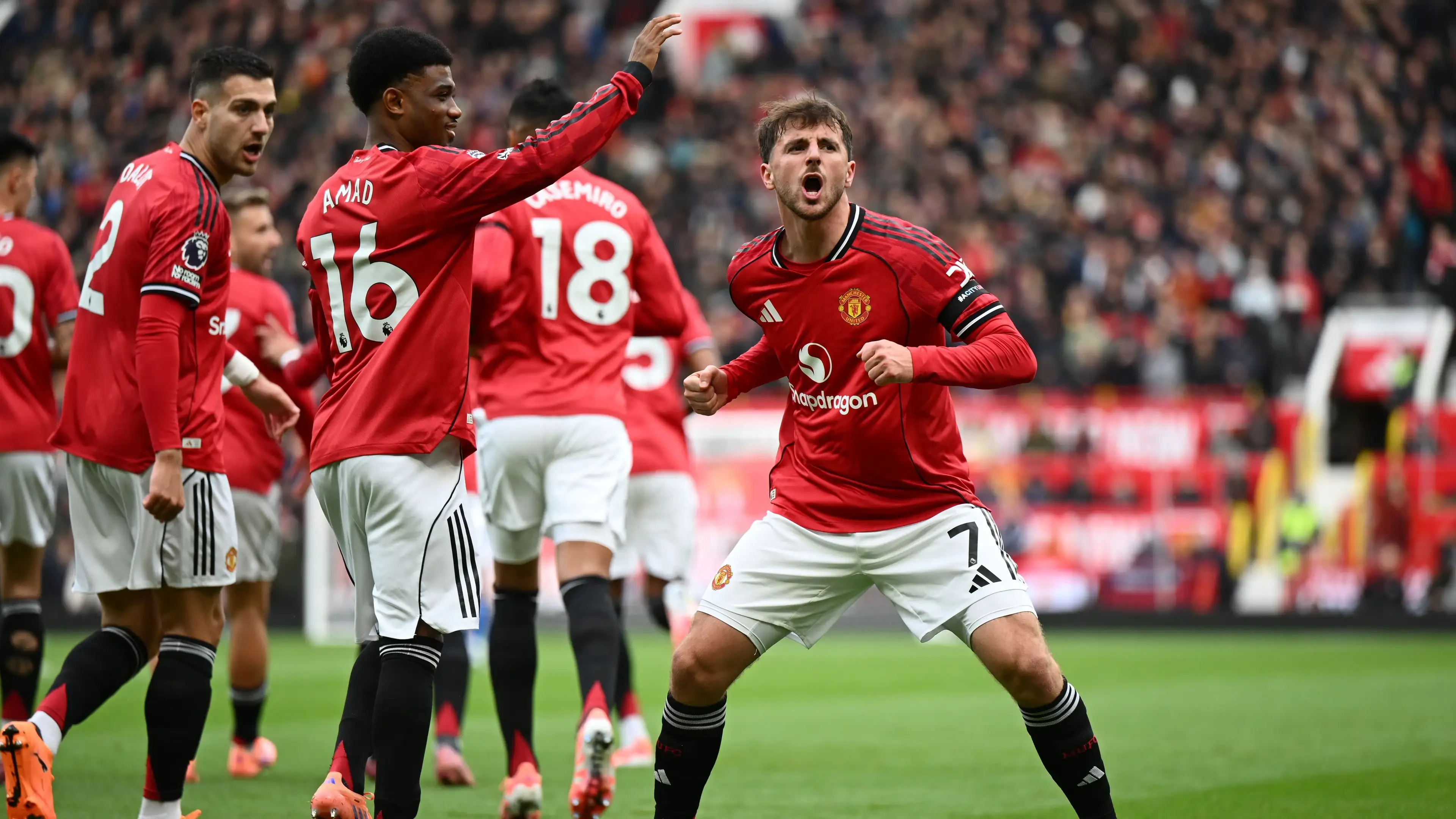
Manchester United are currently discussing a potential sponsorship deal with Betway, reportedly worth up to £18 million. This comes despite the Premier League having banned betting companies from featuring as main shirt sponsors starting from the 2026-27 season.
Back in 2023, Premier League clubs collectively agreed to remove gambling logos from the front of their shirts. From that point, no top-flight team will carry betting advertisements on their kits during matches. But this new deal would see Betway appear on United’s training gear, not their matchday shirts.
According to reports from the MEN, talks have progressed significantly. If an agreement were reached, the Betway logo would be quite visible on the training apparel worn by players at Carrington, United’s training ground. That means fans would regularly see the branding in video footage and photos taken during training sessions.
Previously, United’s training kits featured Tezos, a blockchain company, until that partnership ended in June 2025. Betway has its own history with English football; they’ve been shirt sponsors for West Ham United and maintain global gambling partnerships with several Premier League clubs, including Manchester City, Arsenal, and Brighton & Hove Albion.
The financial terms on the table for this Betway deal would be substantially close to £18 million, putting it on a similar scale to Bayern Munich’s partnership with Allianz, which includes stadium naming rights. This is quite a significant figure for a single training kit sponsor.
This season, United have gone without a sponsor on their training gear. After the Tezos contract expired, the club chose not to rush into a new agreement. They wanted to carefully evaluate potential partners, both from a financial standpoint and in terms of brand alignment.
There were even conversations with the African division of the Six Rivers Foundation, a conservation project in which United minority owner Sir Jim Ratcliffe has invested. However, those discussions didn’t lead to a deal.
When majority owners Joel and Avram Glazer visited Carrington earlier this year, commercial revenue and sponsorship opportunities were among the key topics addressed. The club has also brought in marketing agency Two Circles, where ex-United sales manager Leo Thompson works, to help find a new sleeve sponsor, given that the current contract with DXC ends this summer.
Securing Champions League qualification for next season under Michael Carrick’s leadership has somewhat eased the process. United guaranteed their place in Europe’s top competition after a 3-2 victory over Liverpool at Old Trafford, which should make the club more attractive to potential commercial partners.